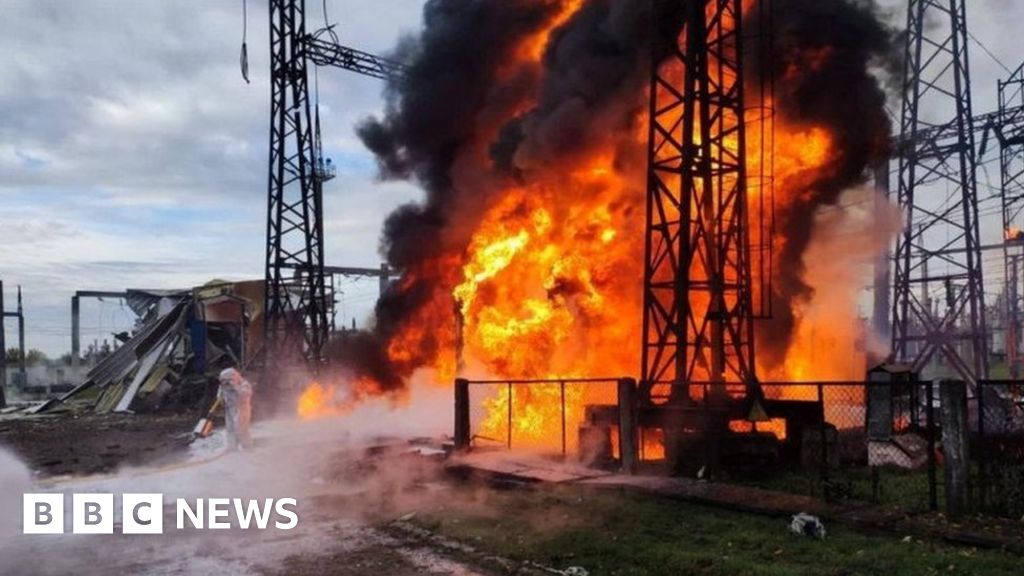
Strait Of Hormuz Shock Could Detonate A Global Food Crunch
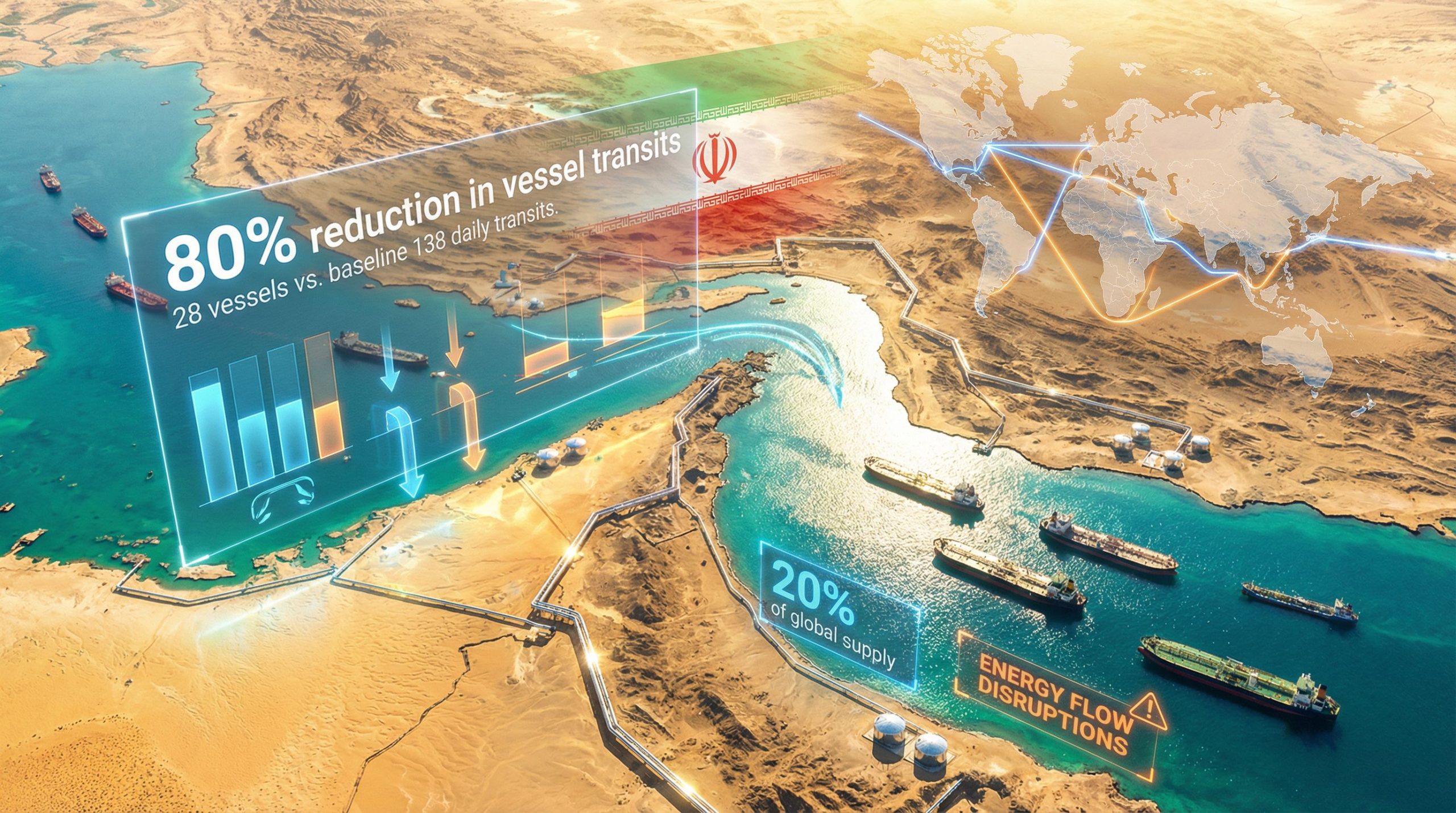
Strait Of Hormuz Shock Could Detonate A Global Food Crunch
The alarm is blaring from Rome to Riyadh: a single disruption in the Strait of Hormuz could weaponize supply chains, lift energy prices, and gut food security for hundreds of millions. The Food and Agriculture Organization frames a Strait of Hormuz disruption as more than a shipping headache – it is a trigger that could collide with climate volatility and fragile grain stocks. The stakes feel uncomfortably familiar after recent blockades and droughts, yet the market muscle memory is weaker than the geopolitical risks. If you care about stable grocery bills and predictable fertilizer flows, this is the moment to examine how fragile the world’s food arteries really are.
- FAO flags Hormuz as the pressure point linking energy, fertilizer, and grain freight.
- Higher shipping and insurance costs could price out import-dependent regions within weeks.
- Climate shocks plus chokepoint risks create a volatile floor for global food prices.
- Policy hedges and logistics rerouting remain thin and underfunded.
Hormuz As A Single Point Of Failure
Roughly one fifth of seaborne crude and a large slice of global liquefied natural gas pass through this narrow corridor. That energy is the feedstock for ammonia and other fertilizer inputs that underpin global crop yields. A closure or even persistent harassment of vessels would immediately spike bunker fuel costs and force insurers to reprice risk. Import-dependent regions from North Africa to South Asia would watch freight rates soar before any physical shortage arrives.
Signal: When a chokepoint controls both energy and fertilizer flows, food inflation is no longer a slow burn – it is a flash fire.
FAO’s warning cuts through diplomatic euphemisms: without redundancy, every week of disruption amplifies price volatility and erodes the purchasing power of poorer households. That is the first-order effect. The second-order impact is the collapse of confidence in predictable shipping schedules, which pushes traders to build risk premiums into every forward contract.
Energy Prices, Fertilizer Costs, And Crop Math
Farmers do not plant with headlines; they plant with input prices. When natural gas jumps, urea and DAP follow. A Hormuz shock would harden that linkage. Regions already squeezed by currency depreciation would face impossible math: pay more for fertilizer or accept lower yields. In either scenario, local food inflation accelerates. FAO’s modeling suggests even a temporary interruption could reverberate across the next planting season, not just the current shipping calendar.
Read the ledger: Every dollar added to fertilizer costs strips margin from farmers and caloric access from consumers.
Past crises show how quickly this spirals. After 2022’s fertilizer crunch, smallholders in sub-Saharan Africa cut application rates, depressing yields and deepening reliance on grain imports. A Hormuz-driven energy spike would repeat that cycle, only faster.
Geopolitics Meets Weather Risk
The fragility is compounded by climate volatility. Heat waves in India, drought in the Americas, and erratic monsoons mean grain buffers are thin. When climate risk aligns with a Strait of Hormuz disruption, procurement managers cannot diversify fast enough. Futures markets would likely swing on rumors of vessel delays, and governments would scramble to secure bilateral deals, undercutting the multilateral grain architecture that stabilizes prices.
Dual shock warning: Climate noise plus chokepoint risk is the new baseline, not the black swan.
Traders know that weather cannot be negotiated. Shipping lanes can. That asymmetry elevates the leverage of actors near Hormuz and raises the stakes for navies tasked with keeping lanes open.
Regional Exposure: Who Hurts First
Middle East Importers
Gulf states that rely on desalination and imported staples would face higher landed costs but possess fiscal buffers. Their immediate concern is securing energy export revenues while ring-fencing domestic food subsidies.
North Africa And The Levant
Egypt, Lebanon, and Tunisia already struggle with currency pressure and high wheat bills. A Hormuz-driven freight surge would force governments to choose between devaluations and subsidy cuts – both politically explosive. Social stability in these regions has historically tracked bread prices.
South Asia
Pakistan and Bangladesh import fuel and fertilizers while juggling IMF commitments. Rising import bills could torpedo fiscal targets, inflame inflation, and trigger further energy rationing, which then feeds back into food processing costs.
Sub-Saharan Africa
Countries like Kenya and Ghana are doubly exposed – they import both grain and fuel. Freight surcharges translate directly into transport costs, widening the gap between urban and rural food prices and increasing hunger hotspots.
Logistics Reality Check
Rerouting around the Cape of Good Hope adds weeks and significant fuel burn. For perishable or time-sensitive cargo, that is not a realistic option. The alternative is stockpiling and hedging, both capital-intensive moves. FAO highlights the absence of robust strategic grain reserves outside a few nations. Meanwhile, container availability remains tight, and ship owners are wary of deploying vessels into higher-risk waters without compensated charters.
Logistics bottleneck: Insurance, not pirates, may be the first hurdle – premiums climb before ships ever slow.
Even with naval escorts, the queue effect matters. Delayed berthing schedules ripple into port congestion worldwide, driving demurrage fees higher and stranding empty containers in the wrong geographies.
Market Psychology And Food Inflation
Markets trade sentiment before fundamentals. Headlines about skirmishes near Hormuz would lift futures for crude, LNG, and agricultural commodities simultaneously. That synchronized spike feeds into consumer inflation expectations, prompting retailers to raise prices preemptively. Once those prices stick, they rarely retrace at the same pace.
Central banks would face a dilemma: tighten to arrest inflation or tolerate a spike to preserve growth. Both choices leave food-importing households exposed. FAO’s warning implicitly calls for policy coordination to avoid panic buying and export bans that worsen the shock.
Policy Playbook: What Could Work
Secure The Chokepoint
Diplomatic channels must remain open to de-escalate tensions near Hormuz. Naval escorts and intelligence sharing among energy exporters and importers can deter harassment. Transparency on vessel movements reduces rumor-driven market swings.
Fund Strategic Reserves
Building buffer stocks of key grains and fertilizers is expensive but cheaper than unrest. Multilateral financing facilities could help poorer importers acquire and store reserves near consumption hubs, not just at ports.
Targeted Subsidies
Rather than broad price controls, direct cash transfers to vulnerable households maintain purchasing power without distorting supply chains. Digital payment rails can minimize leakage and corruption.
Insurance Backstops
Public-private risk pools could stabilize war risk premiums and keep vessels moving. Similar schemes after previous shipping crises proved that modest guarantees unlock private capital and tonnage.
Fertilizer Efficiency
Investing in precision application and soil health reduces dependency on imported fertilizers. Extension services and smart credit lines help farmers implement these practices quickly.
Why Tech And Data Matter
Early warning systems combining satellite tracking of tankers, AIS spoofing detection, and weather analytics can flag disruptions before they metastasize into price spikes. Commodity traders already deploy such tools, but public agencies lag. FAO’s alert underscores the need to democratize that intelligence so ministries and cooperatives can make informed purchase decisions.
Data dividend: Shared visibility reduces panic and shrinks the rumor premium baked into food prices.
Meanwhile, digital marketplaces for fertilizers and grain freight contracts could improve price discovery and liquidity for smaller buyers, cushioning them against predatory spot prices in a crisis.
Forward Scenarios: Three Paths
Contained Disruption
Short-lived tensions cause a temporary spike in energy and freight, but coordinated naval patrols restore confidence. Prices cool within a quarter. The lesson: redundancy planning works when actors move fast.
Prolonged Harassment
Weeks of sporadic incidents keep insurance high and schedules erratic. Importers dip into reserves; inflation rises, but rationing is avoided. Governments accelerate procurement of alternative energy and fertilizer sources, but at higher cost.
Full Closure
An extended blockade forces rerouting around Africa. Freight costs double or triple. Some import-dependent nations face outright shortages. Export bans proliferate, and multilateral lenders step in with emergency credit. The humanitarian toll is severe, and rebuilding trust in open lanes takes years.
Editorial Take: Complacency Is The Real Risk
The FAO warning is not sensationalism; it is a candid assessment of how one chokepoint can cascade through energy, fertilizer, and food. The past decade has shown that supply chains bend until they snap, and recovery is slow. Yet policy responses remain incremental, and private sector hedging often excludes the most vulnerable buyers. The time to rewire logistics, finance buffer stocks, and share data is before vessels queue at Hormuz, not after.
Bottom line: The world built a just-in-time food system on a just-one-strait energy route. That mismatch is unsustainable.
Without decisive action, the next Hormuz flare-up will not just raise fuel bills; it will decide who eats.
The information provided in this article is for general informational purposes only. While we strive for accuracy, we make no guarantees about the completeness or reliability of the content. Always verify important information through official or multiple sources before making decisions.