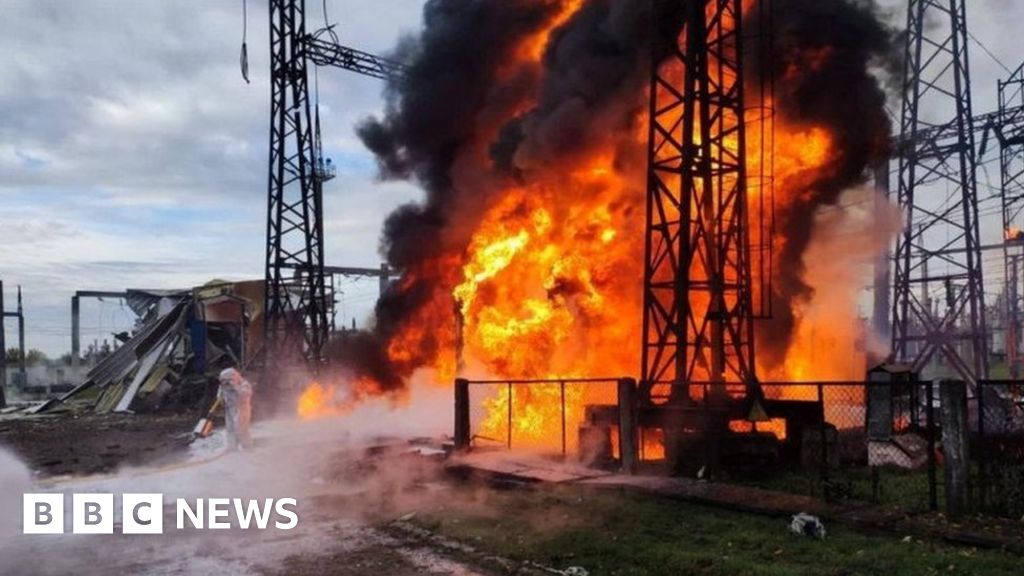
Sudan aid corridors collapse as crisis spirals
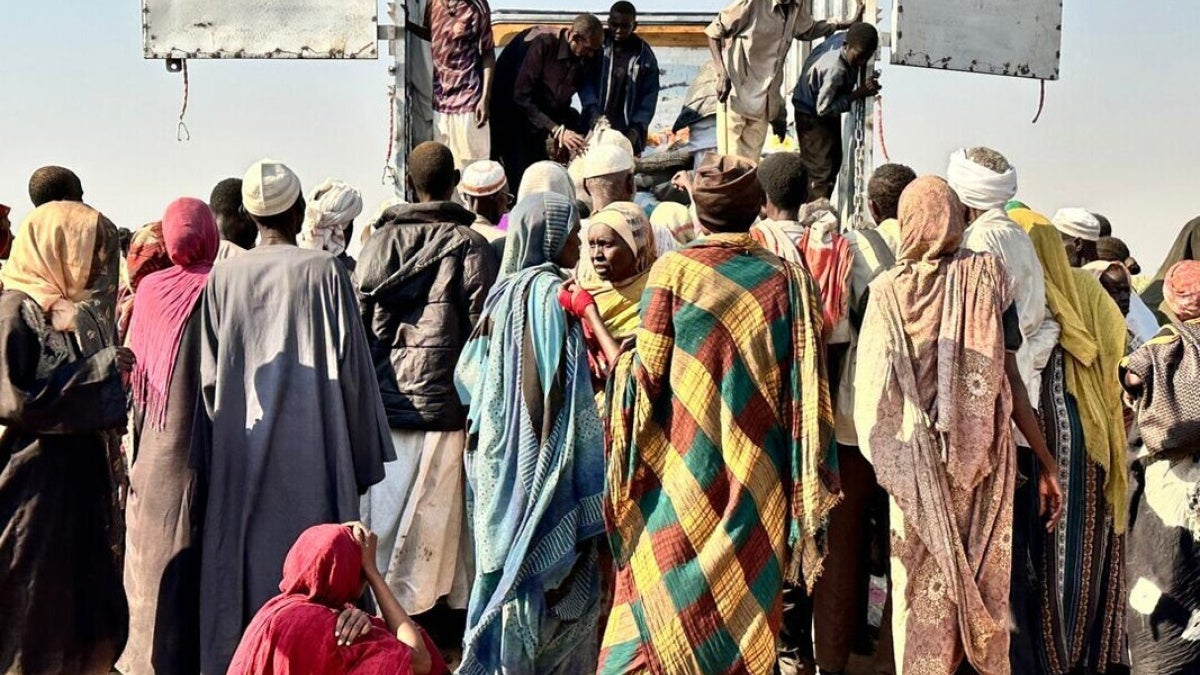
Sudan humanitarian crisis 2026 is no longer a forecast; it is a lived emergency measured in empty clinics, shuttered markets, and families forced to flee twice in a single week. The pain point is brutal: aid corridors that once kept Darfur, Khartoum, and the Red Sea states afloat are now fractured, leaving local responders to shoulder a load designed for multilateral giants. As diplomatic bandwidth thins and donor fatigue creeps in, the country is sliding toward a catastrophic threshold where malnutrition, cholera risk, and violence reinforce each other. This is the moment when operational nuance matters more than high-level pledges, and when the global system must decide whether it can still deliver under fire.
- Food, fuel, and medical supply chains are splintering faster than agencies can reroute.
- Local NGOs are now the backbone of last-mile delivery yet remain underfunded.
- Ceasefire talks and access guarantees are stalling while displacement accelerates.
- Digital coordination gaps and misinformation are slowing triage and donor response.
Sudan humanitarian crisis 2026: the breaking points
The warning lights are everywhere. Conflict has severed primary roads into Khartoum and El Fasher, forcing convoys onto longer, riskier detours that double fuel burn and erase delivery windows. Inflation has turned basic commodities into luxury items, pricing out households that once had modest savings. Electricity blackouts are hitting cold-chain storage, threatening vaccines and insulin stocks that require stable temperatures. Aid agencies describe a landscape where field teams spend more time negotiating passage than distributing rations, a sign that logistics is now the front line.
Supply chain fractures inside the Sudan humanitarian crisis 2026
Traditional supply routes that relied on hubs in Port Sudan and Kosti are hampered by layered checkpoints that add days to transit times. Every delay cascades: truckers charge hazard premiums, warehouse turnaround slows, and aid tonnage shrinks. The pragmatic workaround is prepositioning light, high-impact goods such as ready-to-use therapeutic foods and solar lamps closer to displacement hotspots, but this strategy needs granular mapping of safe storage sites and trusted local custodians. Without accurate ground intelligence, prepositioning becomes pre-loss.
Health systems on the edge
Clinics in conflict belts report surging trauma cases while struggling to maintain maternal care and routine immunizations. Cholera alerts are rising after water systems were damaged, pushing communities to unsafe wells. Telemedicine pilots could bridge specialist gaps, yet connectivity is unreliable and devices are scarce. The result is a two-speed health reality: urban centers with partial services and rural zones where community health workers are the only line of care. Scaling those workers with kits, mobile cold boxes, and rapid training modules is the fastest lever available.
Information gaps and coordination drag
Operational dashboards are inconsistent across agencies, with some still relying on spreadsheets instead of live data streams. That slows joint planning and leaves donors guessing about real-time needs. A lean data stack matters: shared API-based reporting between clusters, SMS feedback from beneficiaries, and predictable data governance protocols can trim hours off decision-making cycles.
In fast-moving crises, the speed of trusted information is as critical as the speed of trucks.
Local actors carrying the load
Local NGOs and community groups are now the backbone of response, able to move quietly and negotiate access where larger brands cannot. Yet their funding often arrives in small, short-term tranches that do not match the scale of responsibility being shifted onto them. The mismatch creates burn-out and turnover just as needs spike. Direct funding lines, simplified compliance, and shared security assets are practical steps donors can take to stabilize these front-line teams.
Cash over commodities
Where markets still function, cash transfers outperform food parcels by preserving choice and lowering logistics costs. Digital wallets are ideal, but patchy connectivity means hybrid solutions: digital disbursement in towns, physical vouchers in rural stretches. Safeguards must include KYC light processes to prevent exclusion of undocumented households. Inflation hedging through staggered releases can also blunt price shocks.
Protection risks that shadow every delivery
Women and girls are navigating heightened risks at water points and distribution sites. Protection mainstreaming is no longer optional; it should shape the layout of every aid site, the timing of distributions, and the choice of community liaisons. Secure lighting, separate queues, and complaint mechanisms via SMS or paper forms build trust and surface incidents early.
Why this crisis matters beyond Sudan
The Sudan emergency is a stress test for the humanitarian architecture. If access collapses here, it signals a precedent that armed actors can halt aid without consequence. Regional spillover is already visible with refugee flows into Chad, South Sudan, and Egypt stretching host communities and straining political patience. Trade routes through Port Sudan are vital for the Horn of Africa; prolonged disruption nudges food prices higher across the region.
Diplomacy, not just airlifts
Air drops are a tactical patch, not a strategy. Sustainable access requires synchronized pressure from the African Union, Gulf states, and UN Security Council members to enforce humanitarian corridors. Ceasefire language must include clear operational clauses: named routes, inspection protocols, and penalties for obstruction. Without teeth, statements become theater while needs grow.
Technology with a reality check
Technology can compress timelines if it respects context. Low-bandwidth coordination tools, offline-first apps, and mesh networks can keep field teams connected when towers are down. Satellite imagery can map displacement in near real time, but must be paired with community verification to avoid misallocating scarce supplies. Data responsibility frameworks should guard against exposing sensitive population movements.
What must change before the Sudan humanitarian crisis 2026 becomes irreversible
First, funding must front-load local responders with multi-month guarantees instead of micro-grants. Second, logistics needs a security-first redesign: predictable convoy schedules, shared risk insurance for drivers, and decentralized warehouses to reduce single-point failures. Third, communication to affected communities should move beyond radio announcements to two-way channels that allow people to flag unsafe routes or missing aid.
Pro tips for agencies recalibrating on the fly
Plan with redundancy: duplicate suppliers and routes to avoid total shutdown when one corridor fails. Measure delivery velocity: track hours from warehouse to handover, not just tonnage. Localize procurement: source staples locally when feasible to cut transit risk and support host economies. Protect staff: invest in trauma support and rotational schedules for field teams facing sustained stress.
Future implications
If Sudan stabilizes access, it could become a blueprint for decentralized, locally led humanitarian action. If it fails, expect more conflicts to weaponize aid obstruction and more donors to retreat into remote funding with minimal accountability. The stakes are not just about one country; they are about whether the global system can still deliver relief in contested environments.
The clock is unforgiving. Every week of delay compounds malnutrition, disease, and displacement. Sudan humanitarian crisis 2026 is the case study the world did not want – but it is the one that will define the credibility of humanitarian action for years to come.
The information provided in this article is for general informational purposes only. While we strive for accuracy, we make no guarantees about the completeness or reliability of the content. Always verify important information through official or multiple sources before making decisions.