Survivors detail the Iran bridge attack and what it means next

The Iran bridge attack survivors are reliving the night a US-Israeli strike turned a transit lifeline into a firestorm, and their accounts are a gut check for anyone who still thinks precision warfare is tidy. This was a bridge that carried families, commuters, and freight through a strategic corridor. It became a symbol of how quickly civilian infrastructure becomes a battleground in proxy conflicts, and why the region now wonders whether any red lines still exist.
- Eyewitnesses say the bridge was hit without warning, underscoring civilian exposure.
- The strike signals a deeper US-Israeli operational reach inside Iran.
- Iranian response options range from calibrated reprisals to cyber disruption.
- Infrastructure hardening and air-defense gaps are suddenly center stage.
How the strike unfolded
Survivors describe a typical evening traffic flow that shifted in seconds. Lights flickered on the span before the first detonation, followed by a second strike that collapsed a main support. People scrambling from cars heard a third impact near the access ramps, which cut off escape routes. The bridge, long rumored to be monitored because it connects a logistics artery near military sites, had no visible air-defense cover. That absence raises a haunting question: was the bridge deliberately left exposed, or did Iran misjudge the threat level?
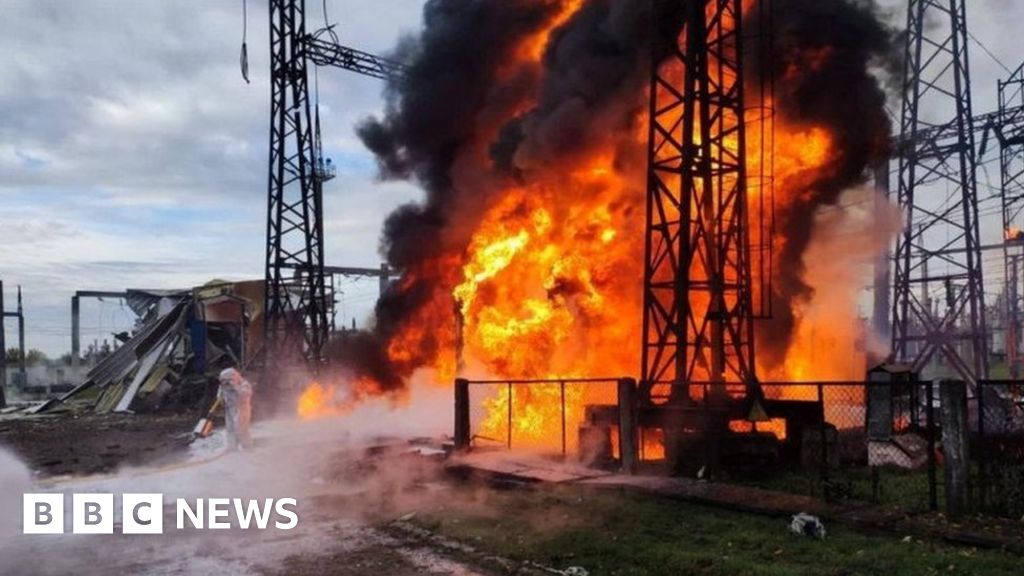
Local emergency crews needed minutes that felt like hours to reach the scene. Fuel spills ignited in chain reactions, and personal accounts note a metallic smell and clouded visibility. One driver said the heat was intense enough to warp vehicle frames before firefighters arrived. These details matter: they show the strike pattern targeted structural points rather than surface damage, a hallmark of advanced munitions designed to render the bridge unusable.
Why this bridge mattered
Strategic artery in a contested zone
The span was more than concrete. It linked industrial zones to a highway feeding both civilian supply lines and nearby defense facilities. Hitting it disrupts trucking schedules, raises insurance premiums on freight, and forces rerouting through smaller roads. For Iran, that creates both economic drag and military inconvenience. For Israel and the US, it signals reach: the ability to degrade mobility without a full-scale air campaign.
Civilian cost as signaling
Survivors recount seeing family cars trapped between collapsed segments. That imagery is not collateral to be hand-waved away; it is the message. The strike telegraphed that no corridor is safe if it hosts dual-use traffic. It pressures Tehran to reconsider how it mixes civilian and military logistics and to invest in hardened routes or underground passages.
Legal and diplomatic fallout
Hitting infrastructure with civilians on it triggers debates over proportionality. Tehran frames the attack as a violation of sovereignty, while Washington and Tel Aviv view it as a preemptive move against a potential weapons conduit. The ambiguity is deliberate. It keeps adversaries guessing about thresholds and forces mediators to play catch-up.
Inside the survivors’ accounts
Moments before impact
Several passengers reported unusual drone activity the day prior. One survivor mentioned hearing a high-pitched hum over the river span, suggesting loitering surveillance. That points to a coordinated kill chain: reconnaissance, target validation, and strike execution. If correct, it undercuts any claim that the attack was reactive; it was planned.
Aftermath and triage
When the first support column failed, cars dropped at abrupt angles. Passengers crawled through broken windows as secondary blasts shattered windshields. Medical responders improvised tourniquets from seatbelts. Survivors told of using smartphone flashlights while smoke and dust choked the air. The delay in air-defense activation – some witnesses say they heard no interceptors – suggests either saturation tactics or an intentional bypass of radar coverage.
Key insight: Survivors observed no warning sirens and no visible anti-air response, underscoring a gap between perceived deterrence and operational reality.
MainKeyword in the operational narrative
The Iran bridge attack survivors center the narrative on human cost, but the operational side shows how mainKeyword: Iran bridge attack survivors signifies a broader contest over infrastructure resilience. By striking a bottleneck, US-Israeli planners tested Iran’s readiness to defend nodes beyond nuclear or missile sites. The survivors’ testimonies become data points on how quickly the system failed – and how it might be hardened.
Air-defense blind spots
Analysts note that Iran’s layered defense prioritizes high-value assets, leaving transit links with older radar arrays and slower command loops. The bridge attack exposes that hierarchy. Integrating shorter-range systems and automated alerting could reduce such vulnerabilities, but that requires budget, training, and political will.
Psychological operations
Broadcasting survivor voices is itself strategic. It amplifies fear, pressures Tehran to respond, and signals to other regional actors that air corridors are permeable. The US-Israeli message is that time and place of impact are selectable; the Iranian counter-message will hinge on demonstrating interception capability or retaliatory reach.
Future flashpoints
Retaliation vectors
Iran has options: cyber disruption against logistics software, drone harassment of shipping lanes, or calibrated missile strikes on isolated outposts. Each choice risks escalation. The bridge strike sets a precedent that critical infrastructure is fair game. Expect tighter convoy patterns, more decoys, and stepped-up electronic warfare to complicate targeting.
Infrastructure hardening
Post-strike, look for rapid assessments of load-bearing assets, possible installation of blast shields, and re-routing of high-value cargo during night windows. Civilian commuters may face checkpoints and staggered schedules. Insurance markets will price in the risk, increasing costs for small businesses.
Diplomatic corridors
Back-channel talks might attempt to redraw red lines: no strikes on civilian-heavy spans, time-window notifications, or tacit agreements about certain routes. Yet the ambiguity that made this strike possible also makes such agreements shaky. Without verification mechanisms, promises are thin.
Why this matters now
The attack compresses years of shadow conflict into a single, highly visible moment. It challenges assumptions that strikes will stay confined to remote depots or isolated bases. For civilians, it redefines risk on everyday routes. For policymakers, it highlights the urgency of protecting dual-use infrastructure and clarifying what constitutes acceptable targets.
From an energy perspective, disruptions in freight corridors ripple into fuel and food prices. From a security standpoint, the strike may prompt new investments in counter-drone networks and redundancy in bridges and tunnels. From a geopolitical lens, it signals that US-Israeli coordination can penetrate deep, raising the stakes for any future negotiation.
Pro Tip: Monitoring open-source flight paths and satellite imagery around key bridges can reveal pattern shifts in surveillance that precede strikes.
Editorial verdict
The survivors’ voices cut through the geopolitical framing. They remind us that military signaling often lands on the backs of commuters and truck drivers. The strategic takeaway is stark: infrastructure is now a frontline. Unless defenses adapt and diplomatic norms catch up, the phrase Iran bridge attack survivors may become a template rather than an anomaly.
As Iran weighs its response, the region waits to see whether the next flash will be on a highway, a port, or a pipeline. Either way, this strike resets expectations about where and how pressure will be applied, and at what human cost.
The information provided in this article is for general informational purposes only. While we strive for accuracy, we make no guarantees about the completeness or reliability of the content. Always verify important information through official or multiple sources before making decisions.