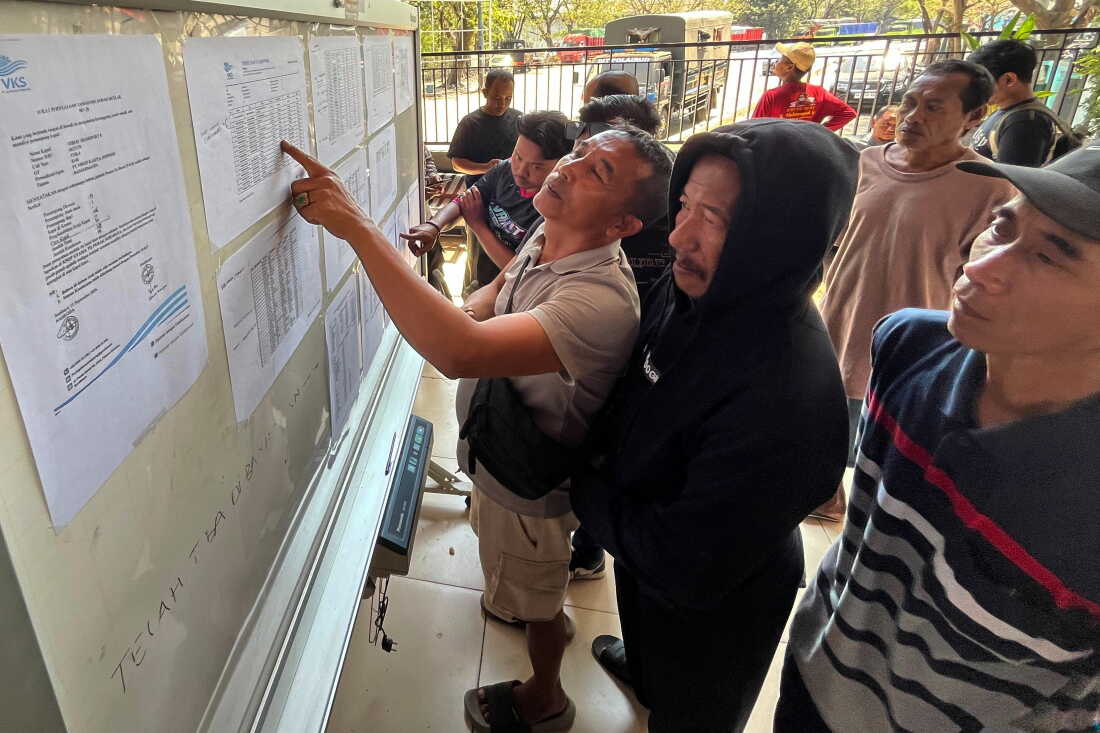
Syria Fuel Protests Expose a State in Crisis

Syria Fuel Protests Expose a State in Crisis
Syria fuel price protests are not just about the cost of filling a tank or heating a home. They are a warning flare from a society being squeezed by years of war, sanctions, currency collapse, damaged infrastructure, and shrinking state support. When fuel prices rise in Syria, the shock does not stay at the pump. It moves through bread lines, bus fares, generator costs, farm transport, hospital logistics, and the fragile budgets of families already living close to the edge. That is why the latest unrest matters far beyond one policy decision. It shows how a government can win a military contest yet still struggle to govern an economy where every liter of diesel, every cylinder of liquefied petroleum gas, and every shift in the exchange rate can become political.
- Fuel prices are a political trigger: In Syria, energy costs affect food, transport, health care, and household survival.
- Subsidy cuts carry explosive risk: Reducing
subsidysupport may ease state finances but deepens public anger. - The protests reflect a trust deficit: Citizens are reacting not only to prices, but to years of broken economic expectations.
- Regional implications are real: Syria’s economic instability can affect migration, aid flows, and neighboring markets.
Why Syria Fuel Price Protests Hit Harder Than Normal Price Hikes
In a healthy economy, a fuel increase is painful but manageable. In Syria, it can be destabilizing. The country is dealing with a layered crisis: destroyed production capacity, restricted trade, weak public services, a fractured labor market, and a currency that has lost much of its purchasing power over the past decade. Households do not experience fuel as a single expense. They experience it as the hidden tax inside almost everything else.
Transport operators pass higher diesel costs to passengers. Farmers pay more to move produce. Bakeries face higher operating costs. Private generators become more expensive in neighborhoods where grid electricity is unreliable. Clinics and small businesses that rely on backup power absorb another hit. Even families that do not own cars feel the increase within days.
Fuel is the bloodstream of a fragile economy. When prices jump, every weak organ in the system feels the pressure at once.
This is why protests over fuel can become a broader referendum on governance. The complaint may begin with a price board, but it quickly becomes a question of who is protected, who is asked to sacrifice, and whether the state still has a credible social contract to offer.
Syria Fuel Price Protests and the Collapse of the Subsidy Bargain
For decades, many governments in the region relied on a simple bargain: citizens tolerated political limits in exchange for cheap essentials, public employment, and predictable access to basics. That model has been under severe strain across the Middle East, but Syria’s case is especially acute because war damaged the state’s ability to fund it.
A subsidy is not just an economic tool. It is a political signal. Cheap fuel tells citizens that the state can still cushion hardship. Cutting or narrowing that support tells them the opposite. Governments often argue that subsidies are expensive, inefficient, and captured by smugglers or wealthier consumers. That can be true. But when reforms arrive without credible income support, the public sees austerity, not modernization.
The rationing problem
Syria has used systems such as the smart card or ration card model to control access to subsidized goods. In theory, that can target scarce resources and limit waste. In practice, rationing systems often create new frustrations: long queues, unclear eligibility rules, corruption, technical failures, and a perception that connected groups still get better access.
Once people believe that scarcity is being managed unfairly, anger grows faster. A family may accept hardship if it feels broadly shared. It is far less likely to accept hardship if it believes elites are insulated from the pain.
The black market premium
Fuel shortages also create space for the black market. When official prices rise while supply remains uneven, informal sellers can profit from scarcity. That deepens inequality because people with cash can buy access while poorer households wait, reduce travel, skip heating, or cut food spending to cover energy costs.
This dual economy is corrosive. It teaches citizens that official channels are unreliable and that survival depends on connections, cash, or luck. Over time, that weakens the legitimacy of every new policy announcement.
The Economic Mechanics Behind the Unrest
Fuel price increases rarely happen in isolation. They are usually tied to fiscal stress, falling revenues, import constraints, debt pressures, or currency weakness. Syria faces several of those pressures at once. The government needs hard currency to import energy and essential goods, but its access to global finance is constrained. Domestic production has been disrupted. Infrastructure damage raises the cost of distribution. Smuggling and fragmented territorial control complicate supply chains.
Then there is inflation. When prices rise broadly, wages lag behind. A public sector salary or daily wage buys less each month. The pain becomes psychological as well as financial: people stop planning and start improvising. That is a dangerous economic mood because it makes every new increase feel like confirmation that tomorrow will be worse.
Pro Tip for readers tracking unrest: Watch transportation prices, bread availability, school attendance, and generator costs. These indicators often reveal the real social impact faster than official inflation data.
Why This Matters Beyond Syria
It is tempting to treat Syria’s fuel protests as a domestic story. That would miss the bigger picture. Economic instability in Syria has regional consequences. When living conditions worsen, more people consider migration. Aid agencies face greater pressure. Neighboring countries deal with cross-border trade distortions, smuggling incentives, and refugee policy stress. Energy scarcity can also reshape local power networks, empowering groups that control routes, depots, or informal distribution.
For policymakers, the lesson is blunt: reconstruction cannot be reduced to cement, roads, and diplomatic statements. A state that cannot provide affordable energy cannot restore normal life. A household that cannot afford transport cannot reliably work. A farmer who cannot afford fuel cannot efficiently bring crops to market. A hospital that cannot power equipment cannot deliver dependable care.
The governance test
The most important question is not whether authorities can suppress protests. It is whether they can answer the underlying grievance. Security responses may quiet streets temporarily, but they do not lower prices, stabilize the exchange rate, repair supply chains, or rebuild public trust.
Durable stability requires a mix of targeted assistance, transparent pricing, anti-corruption enforcement, and credible delivery of basic services. That is much harder than announcing a new price schedule. But without it, each future adjustment risks becoming another political crisis.
What Comes Next for Syria Fuel Price Protests
The trajectory depends on three variables: supply, wages, and trust. If fuel supply improves and prices stabilize, protests may fade into localized frustration. If wages remain stagnant while transport and food costs climb, unrest could broaden. If citizens believe the burden is unfairly distributed, even a modest price shift can spark outsized anger.
Authorities have a narrow policy lane. Keeping prices artificially low strains public finances and encourages smuggling. Raising them too quickly punishes households that have no cushion. The smarter route is targeted protection: direct support for vulnerable families, clear quotas for essential users, public reporting on supply, and enforcement against profiteering. But smart policy requires administrative capacity, and that is exactly what years of conflict have eroded.
The hard truth is that fuel policy in Syria is no longer a spreadsheet problem. It is a legitimacy problem.
That is why these protests deserve attention. They reveal a country where the everyday economics of survival have become inseparable from politics. A fuel price hike may look technocratic from a ministry office, but on the street it becomes a question of dignity, fairness, and endurance.
The Bottom Line
Syria fuel price protests expose the limits of crisis management in a battered economy. The government can adjust prices, ration supply, or blame external pressure, but the public is responding to lived reality: wages that do not keep pace, services that remain unreliable, and a future that feels increasingly unaffordable.
The stakes are high because fuel is not a niche commodity in Syria. It is the operating system for daily life. When that system breaks, everything else slows down: work, school, farming, health care, trade, and trust. Any serious path toward stability will have to start there, not with slogans, but with a practical answer to the question Syrian households face every day: how do you keep going when the basics keep moving out of reach?
The information provided in this article is for general informational purposes only. While we strive for accuracy, we make no guarantees about the completeness or reliability of the content. Always verify important information through official or multiple sources before making decisions.