Temple Stampede Exposes Crowd Safety Crisis

Temple Stampede Exposes Crowd Safety Crisis
A deadly stampede-like incident at a temple in India is a brutal reminder that crowd safety is not a side issue – it is the difference between a routine pilgrimage and a mass-casualty event. When thousands of people converge on a single religious site, small failures can cascade fast: a bottleneck at an entrance, a sudden surge on a staircase, a broken queue line, or a moment of panic that turns density into disaster. The latest tragedy forces a harder question for officials, temple managers, and event planners alike: why do crowd control failures keep repeating in places where the risk is entirely predictable? The answer is uncomfortable, because this is not just about one incident. It is about planning, enforcement, infrastructure, and the rising pressure on public spaces that were never designed for this scale of human movement.
- At least six people were reported dead in a crowd surge at a temple in India.
- Temple and pilgrimage sites often lack modern crowd management systems.
- Small operational mistakes can become fatal when density rises suddenly.
- Better design, staffing, and real-time monitoring are now essential, not optional.
- The incident adds pressure on authorities to treat crowd safety as critical infrastructure.
Why the temple stampede story matters now
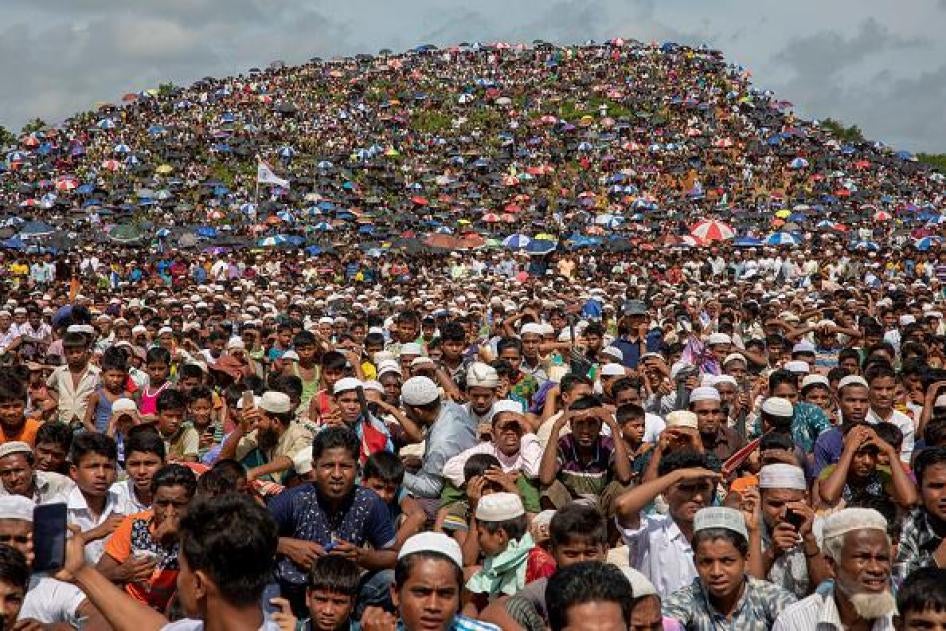
This is not simply a tragic local event. The temple stampede underscores a broader public safety problem that extends across religious festivals, political rallies, sports celebrations, and transit hubs. Wherever large groups gather, the same physics apply: people compress, visibility drops, movement slows, and panic spreads faster than any official announcement can calm it.
India is especially vulnerable because of the sheer scale of pilgrimages and festival crowds, but the lesson travels well beyond one country. Urban growth, social media-fueled attendance spikes, and under-resourced local administration are combining to create more situations where crowd control falls behind demand. The result is a recurring pattern of preventable deaths.
Key insight: When crowd density crosses a critical threshold, the danger is no longer about individual behavior. It becomes an infrastructure failure.
The anatomy of a stampede-like incident
Not every surge is a classic stampede, and that distinction matters. A stampede-like incident can begin with a jostle, a slip, or a sudden directional shift in the crowd. Once people lose space to move, the mass itself begins to act like a force. Those in the middle cannot see exits, those at the edges cannot reach them, and those who fall can be trapped under pressure from behind.
What usually goes wrong
- Entrances and exits are too narrow for the actual crowd volume.
- Barriers are missing or poorly placed, letting lines break down.
- Communication is weak, so rumors and panic spread faster than instructions.
- Staffing is insufficient to manage movement at peak times.
- Risk modeling is outdated, based on expected attendance rather than real attendance.
These failures are often predictable. The hard truth is that temples, especially high-traffic pilgrimage sites, can see sudden surges on auspicious days, holidays, or during special rituals. If organizers are relying on informal crowd management and hoping for the best, the system is already compromised.
Why crowd safety keeps failing at pilgrimage sites
The recurring issue is not a mystery of engineering. It is a governance problem. Many religious sites grew organically over decades or centuries, which means their architecture reflects devotion, not modern safety planning. Narrow corridors, steep steps, uneven surfaces, and constrained courtyards may be spiritually significant, but they can become dangerous under pressure.
Authorities often face a second problem: split responsibility. Temple trusts, local police, municipal bodies, and state officials may all have a role, but no single entity owns end-to-end accountability. That fragmentation leads to gaps in planning, gaps in training, and gaps in enforcement.
Pro tip for policymakers: If more than one agency is responsible for the same crowd, no one is fully responsible for the outcome.
And then there is the political pressure. Pilgrimage sites are sensitive spaces. Restricting entry, limiting attendance, or changing ritual flow can be unpopular. But reluctance to impose controls is exactly how risk accumulates until a tragedy forces action.
Temple stampede prevention starts before the crowd arrives
The most effective safety work happens long before a surge begins. That means better forecasting, better layout, and better command structures. In practice, a serious crowd plan should include the following:
- Pre-registration or timed entry for high-demand events where feasible.
- One-way movement paths that reduce head-on congestion.
- Visible queue systems with barriers that keep lines intact.
- Live crowd density monitoring using cameras, sensors, or trained observers.
- Rapid-response medical teams stationed near known pressure points.
- Clear public address systems with simple, multilingual instructions.
These are not futuristic luxuries. They are standard tools in any serious mass gathering strategy. The challenge is implementation, especially in older sites where physical retrofits can be difficult and expensive. But cost is not an excuse after repeated fatalities. It is a policy choice.
Simple operational upgrades with outsized impact
Some fixes are surprisingly low-tech. Additional lighting near stairs, better handrails, marked waiting zones, and visible staff placement can dramatically reduce confusion. Even a few trained marshals at chokepoints can prevent the crowd compression that often precedes injuries.
Technology helps, but only if operators actually use it. Camera feeds without a command center, or sensors without an evacuation protocol, are just expensive ornaments. The key is a chain of action: observe, assess, communicate, and intervene before density turns dangerous.
Why this tragedy is bigger than one temple
The broader issue is that societies keep underestimating crowd risk until the body count rises. The same pattern appears at railway stations, concert venues, sports celebrations, and religious gatherings. Density is deceptive. A crowd can look peaceful one minute and become lethal the next if movement stops or panic spreads.
For governments, this creates a clear mandate: crowd safety must be treated like fire safety or structural safety. You do not wait for a building to collapse before inspecting its supports. Likewise, you should not wait for a stampede to audit an event route or temple layout.
This is also a public trust issue. When citizens visit a holy site, they expect reverence and protection, not chaos. Repeated failures erode confidence in local administration and deepen the sense that preventable harm has become normalized.
What matters most: Crowd deaths are rarely random. They are usually the final symptom of earlier failures that were visible, measurable, and fixable.
What officials should do next
There is no single fix, but there is a clear playbook. Authorities should start by identifying all high-risk sites and ranking them by footfall, terrain, and event frequency. Then they should run independent safety audits that examine exit width, queue behavior, medical access, and emergency communication.
From there, the priorities should be straightforward:
- Limit crowd size to what the site can safely handle.
- Train staff to recognize early signs of compression and panic.
- Build emergency lanes for ambulances and responders.
- Use real-time command centers during peak days.
- Publish post-event safety reviews so the public can see what changed.
Equally important is accountability. When a crowd death occurs, investigations should not stop at the final spark. They should examine the chain of decisions that made the site vulnerable in the first place. That includes permits, staffing levels, infrastructure design, and whether previous warnings were ignored.
The future of crowd management at sacred sites
Religious sites are not going to get less crowded. If anything, the opposite is true. As transportation improves and digital promotion spreads awareness of special events, attendance will continue to rise. That means the safety burden will only grow.
The future likely belongs to temples and pilgrimage centers that treat crowd flow as a core operating discipline. Expect more use of surveillance analytics, digital ticketing, geofenced access, and event-by-event capacity planning. Expect also more public scrutiny when a site still relies on informal methods that would be unacceptable in a stadium or airport.
That shift may feel bureaucratic to some, but it is deeply moral. Sacred spaces should not be death traps. Devotion should never require accepting avoidable risk. If the latest tragedy leads to stricter standards, better planning, and real enforcement, then some part of the loss may at least force lasting change.
For now, the message is stark: the next crowd disaster is not inevitable. It is a failure of preparation waiting to happen. And that means it can still be prevented.
The information provided in this article is for general informational purposes only. While we strive for accuracy, we make no guarantees about the completeness or reliability of the content. Always verify important information through official or multiple sources before making decisions.