Tourist Trail Reckoning After Vietnam Motorbike Death
Vietnam motorbike tourist safety has been an open secret for years: a beloved loop that delivers cinematic mountain passes and neon-lit towns, but also a gauntlet of blind hairpins, unregulated rentals, and patchy medical care. The death of British teenager Orla Wates on the Ha Giang circuit is the shock that forces every backpacker, tour operator, and policymaker to ask whether the adrenaline is worth the cost. Travelers crave unfiltered freedom; communities crave income; regulators crave order. That tension now defines the future of Vietnam’s adventure economy.
- Backpacker motorbike routes are booming but operate in a regulatory grey zone.
- Safety gaps span bike maintenance, rider training, and emergency response.
- Local economies depend on the loop, complicating sudden crackdowns.
- Smart policy and tech could make the route safer without killing its spirit.
Vietnam motorbike tourist safety wake-up call
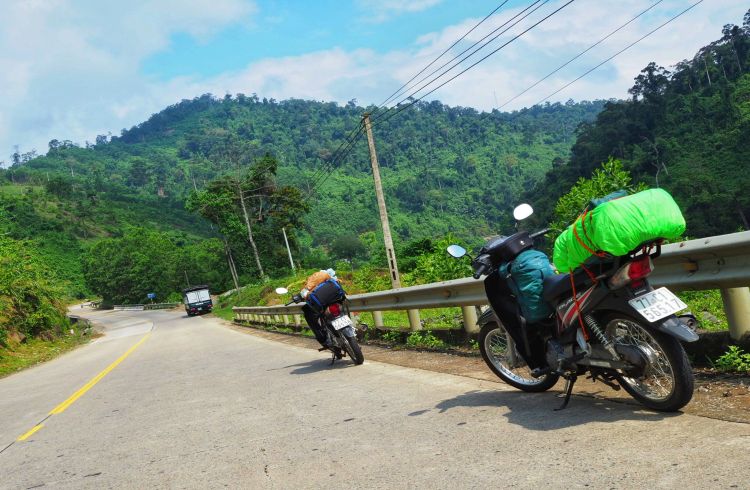
The Ha Giang loop was built into a global itinerary by word of mouth, not by infrastructure planning. Hostels bundle a rental bike, a paper map, and a recommendation to ride in convoy. Helmets often lack certification. Many rentals are semi-automatic scooters pushed to their limits on gradients built for low-speed trucks. The fatal crash highlighting these risks is not an outlier; hospitals in northern towns routinely triage fractured tourists alongside locals.
Why the loop became a phenomenon
Budget travelers want maximum story-per-dollar. A 200km ride that delivers rice terraces, karst cliffs, and home-stay hospitality is a cheap ticket to viral posts. Social media feedback loops turned the route into a rite of passage. Operators responded with volume rather than quality, leaning on margin-saving choices like reused helmets and minimal briefings.
Structural safety gaps
Three gaps stand out. First, licensing: many visitors ride without understanding Vietnam’s A1 or A2 license categories, voiding insurance. Second, fleet quality: brake pads, tires, and shocks are rarely inspected between riders. Third, emergency response: cell coverage fades in valleys, and the nearest trauma care may be hours away. Each gap compounds the others when accidents happen at speed.
The economic bind
Ha Giang’s GDP lift from tourism is visible in new cafes, repair shops, and guesthouses. A sudden ban would strip revenue from families who shifted from agriculture to hospitality. Yet ignoring fatalities risks reputational collapse. The policy challenge is threading a needle: tighten standards without choking a fragile local economy.
Field reports: riders, guides, and medics
Interviews with guides reveal informal rules: ride early to avoid afternoon fog, assign the most experienced rider as lead, and stop every 45 minutes to check brakes. Yet few newcomers hear these rules. Medical staff describe preventable injuries caused by bald tires and loose headsets. Insurance adjusters note that claims often fail because the rider lacked a valid license or was on an unregistered bike.
“We do not want fewer visitors,” says a Ha Giang hostel owner. “We want visitors who understand the road and respect it.”
That sentiment underscores a shift: local stakeholders are ready for smarter governance if it protects livelihoods.
Tour operator responsibilities
Operators can implement a pre-ride checklist: verify licenses, log bike VINs, inspect brake-fluid levels, and fit DOT-rated helmets. Adding a 15-minute skills drill in a parking lot filters out unprepared riders. These steps cost time, not much capital, and signal seriousness.
Rider accountability
Backpackers must treat the loop as real road craft, not theme-park entertainment. That means refusing bikes without mirrors, checking tire pressure (28-32 psi), and carrying a basic kit: tire levers, CO2 cartridge, and gauze. Riding in pairs and preloading offline maps cuts response times when incidents occur.
Regulation without killing the vibe
Vietnamese authorities can target interventions where they matter most. Mandatory rental logs would link each bike to a renter and a time window, discouraging untracked handoffs. Quarterly safety audits could certify shops, giving travelers a clear label to trust. Speed enforcement using portable radar in high-risk descents would curb reckless overtaking without blanketing the loop in checkpoints.
Smart signage and digital tools
Low-cost signage at notorious corners reminding riders to downshift into second gear can change behavior. A bilingual QR code at rental shops could link to a concise safety briefing, offline map download, and emergency numbers. Community-maintained hazard pins in mapping apps would crowdsource real-time intel on loose gravel or landslides.
Insurance and liability clarity
Insurers should offer short-term policies explicitly covering motorbike rentals with clear license requirements. Rental contracts must state bike plate numbers, odometer readings, and helmet standards. Clarity reduces disputes and nudges shops toward compliance.
Culture shift: thrill meets respect
Adventure travel markets mature when the culture shifts from bragging rights to responsible storytelling. Influencers can model good behavior: posting about pre-ride checks, showing certified helmets, and admitting when they hire a guide for tough sections. Hostel briefings can normalize saying no to unsafe bikes. Peer pressure can be a safety tool rather than an ego amplifier.
“The loop is not dangerous because of the mountains,” says a veteran guide. “It is dangerous because riders think mountains are a backdrop, not a system.”
Reframing the route as an ecosystem – weather, machinery, human limits – invites respect and patience.
Vietnam motorbike tourist safety reforms ahead
The tragedy that sparked global attention will push reforms faster. Expect a pilot program of certified rental hubs in Ha Giang city, bundled with mandatory orientation. Provincial authorities may cap daily rental numbers during peak season to prevent congestion. NGOs focused on road safety could partner with schools to train local mechanics in standardized inspections.
Tech-forward interventions
Affordable telemetry – think Bluetooth tire-pressure monitors and GPS beacons – could alert riders to slow leaks and let guides track groups. Rental shops could rotate bikes out after a fixed mileage threshold, with maintenance logs stored in a shared database. Even simple dashcam footage can help reconstruct incidents and refine hazard maps.
Future implications for Asian adventure routes
What happens in Ha Giang will ripple across Laos, Thailand, and Indonesia, where similar loops attract the same demographic. If Vietnam proves that safety standards can coexist with spontaneity, operators elsewhere will copy the playbook. Conversely, a heavy-handed crackdown could push riders to less regulated, riskier routes, shifting rather than solving the problem.
Why this matters for travelers and locals
Adventure tourism funds rural development but must not externalize risk onto local clinics and families. Travelers owe hosts diligence; hosts owe travelers transparency. Vietnam motorbike tourist safety is now a litmus test for how emerging destinations balance growth with care. The death of one teenager should not be the price of admission to a trending loop.
For travelers, the call to action is simple: treat the bike as life support, not a prop. For operators, adopt basic standards that prove professionalism. For regulators, design light-touch rules that reward compliance and punish negligence. The loop can stay epic – but only if it becomes safer, fast.
The information provided in this article is for general informational purposes only. While we strive for accuracy, we make no guarantees about the completeness or reliability of the content. Always verify important information through official or multiple sources before making decisions.