Trump Defends Iran Strikes

Trump Defends Iran Strikes
President Donald Trump’s decision to justify U.S. strikes on Iran lands at the worst possible moment for an already fragile ceasefire. For diplomats, it is another reminder that battlefield momentum can outrun political restraint. For markets, it is a fresh signal that energy, shipping, and defense risk are still priced against a volatile Middle East. And for everyone else, it is a blunt lesson in how quickly a limited military action can reshape an entire strategic map. The immediate question is not whether the strikes were forceful. It is whether they made the ceasefire more secure or quietly weakened the chance of keeping it alive. The answer matters because once retaliation starts to look normal, every next move becomes harder to control.
- Trump’s defense of the strikes signals a harder U.S. line even as ceasefire diplomacy remains fragile.
- The big risk is escalation: one strike can trigger a cycle that outpaces political control.
- Energy, shipping, and regional security could all absorb the fallout if tensions rise again.
- The real test is whether the ceasefire holds under pressure, not whether the strikes were justified rhetorically.
- This moment may define how Washington balances deterrence with de-escalation going forward.
The Trump Iran strikes question is bigger than one airstrike
The Trump Iran strikes debate is not simply about the legality or optics of a single attack. It is about what the U.S. is trying to accomplish with force at a moment when ceasefire lines are thin, trust is thinner, and every public statement can shape the next battlefield calculation. Trump’s justification suggests a familiar strategy: project strength, claim deterrence, and force the other side to think twice. That can work in theory. In practice, it often depends on whether the strike is paired with a credible diplomatic off-ramp.
If that off-ramp is missing, the message changes. What is framed as a limited response can look to adversaries like a widening campaign. That is where ceasefires crack: not just from explosions, but from misread intentions. A ceasefire survives when each side believes restraint still pays. A strike complicates that math instantly.
Why the ceasefire is now under real stress
Ceasefires are not static documents. They are living political bargains, upheld by fear, leverage, and the belief that the alternative is worse. Trump’s defense of strikes on Iran puts all three under pressure. If Iranian leaders see the strikes as a sign that Washington prefers coercion over compromise, they may respond in ways that preserve face but deepen instability. If U.S. allies believe the ceasefire is becoming cover for continued escalation, they may hedge. And if regional intermediaries lose confidence in the process, mediation becomes much harder.
When a ceasefire is already delicate, military action does not just add pressure – it changes the incentives of every player watching from the sidelines.
That is the strategic danger. Even limited strikes can produce a wider diplomatic hangover. They force every actor to reassess whether the U.S. is trying to contain a conflict or shape its outcome through force. Those are very different messages, and adversaries tend to prepare for the harsher one.
What Trump’s justification signals
Trump’s public defense of the strikes matters because rhetoric is not decorative in foreign policy. It signals how a president wants allies, adversaries, and domestic audiences to interpret action. By standing behind the strikes, the administration is effectively arguing that force is not an interruption of diplomacy but a tool to support it. That argument has real precedent. U.S. policymakers have long used limited military action to restore deterrence after threats, attacks, or perceived red lines.
But there is a catch. Deterrence only works if the other side believes the next move is costly and predictable. If the use of force appears inconsistent, politically driven, or disconnected from a broader strategy, deterrence weakens. The message then becomes less about discipline and more about unpredictability.
Trump Iran strikes and the regional fallout
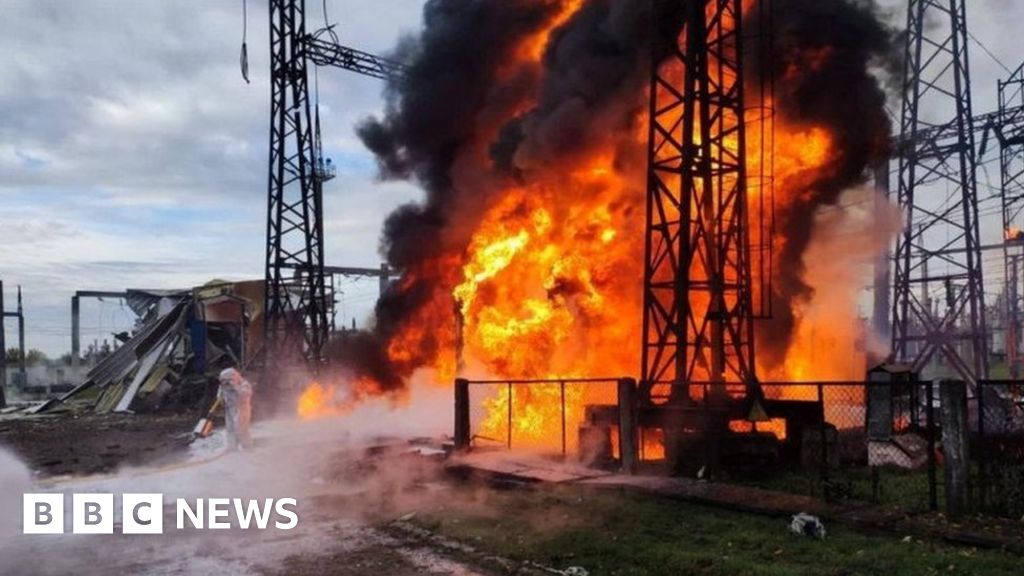
The broader Middle East rarely treats isolated action as isolated for long. The Trump Iran strikes story has implications far beyond the immediate target set because any clash involving Iran ripples through proxy networks, shipping lanes, oil infrastructure, and alliance politics. That is why regional governments tend to react quickly and carefully. They are not just reacting to damage on the ground. They are reacting to the possibility of spillover.
Energy markets are especially sensitive. Even if production is untouched, traders price risk into crude almost immediately when Iran enters the headlines. Shipping insurers do the same. So do companies with routes or facilities tied to the Gulf, the Red Sea, or adjacent corridors. This is not panic. It is rational accounting for uncertainty.
There is also the domestic political layer. For Trump, defending the strikes fits a broader image of decisiveness. For critics, it raises familiar concerns about escalation without sufficient strategy. Both can be true at once. That is what makes this moment politically potent and strategically messy.
Three risks that matter most
- Escalation by response: Iran or allied groups may answer indirectly, making retaliation harder to trace and de-escalate.
- Diplomatic erosion: Mediators may lose leverage if force appears to be replacing negotiation instead of backing it.
- Market shock: Even short-lived uncertainty can move oil, freight, and defense spending assumptions across the region.
Why the Trump Iran strikes debate matters for Washington
This is where the story stops being only about the Middle East. Washington’s handling of the Trump Iran strikes will shape expectations about U.S. power everywhere. If the strikes are presented as successful deterrence, the administration can claim strength and control. If they trigger a broader cycle of retaliation, the policy looks reactive rather than strategic. That distinction matters to allies watching whether the U.S. is still a stabilizing force or just an armed participant in regional volatility.
There is also a problem of consistency. U.S. foreign policy loses credibility when the rules for force seem to change with the political moment. Allies need to know whether strikes are part of a defined doctrine or a bespoke response. Adversaries need to know whether restraint will be met with restraint. The more ambiguous the answer, the more room there is for miscalculation.
Power is not just the ability to strike. It is the ability to shape what happens after the strike.
The strategic guide to reading the next move
If you are trying to understand what comes next, focus less on the headlines and more on behavior. The next phase will reveal whether this was a one-off show of force or the start of a tighter pressure campaign. Here is the short version of what to watch:
- Look for whether the administration pairs military action with public diplomatic messaging.
- Watch for signs that Iran is signaling through intermediaries rather than open retaliation.
- Track shipping advisories, energy pricing, and military posture changes across nearby corridors.
- Pay attention to how allies frame the strikes: support for deterrence or concern about escalation.
For analysts and policymakers, the test is straightforward: can force be used without collapsing the channel needed to end the crisis? That is the narrow path every administration claims it can walk. Few do it cleanly.
Pro tip for reading official statements
When governments issue carefully worded statements, the verbs matter. Words like support, defend, respond, and deter often reveal whether leaders are trying to close a dispute or prepare for another round. In a crisis like this, the language of justification is itself a policy signal. If the rhetoric is all force and no exit, the odds of a sustained ceasefire drop fast.
What happens if the ceasefire holds or fails
If the ceasefire holds, the strikes may be recast as a limited, forceful intervention meant to restore balance. That would support the administration’s argument that pressure can coexist with restraint. It would also calm markets and reduce the chance of broader regional contagion. But if the ceasefire fails, the strikes will likely be remembered as the moment the diplomatic window narrowed, even if they were not the sole cause.
That is why this moment is so consequential. Military action has a way of compressing time. Decision-makers feel forced to act faster, speak louder, and accept fewer compromises. In that environment, misreading the other side becomes easier. The result is often a chain reaction neither side originally wanted.
For the U.S., the long-term question is whether it can still combine deterrence with de-escalation in a way that convinces both friends and foes. The stakes are not abstract. They are measured in missiles, shipping routes, energy prices, and diplomatic credibility.
The bottom line on Trump, Iran, and the fragile ceasefire
Trump’s defense of the strikes on Iran is a calculated move, but it is also a gamble. It aims to project control while signaling that Washington will not sit still. Yet the real measure of success is not whether the strikes sounded tough. It is whether they helped stabilize the ceasefire or nudged the region one step closer to the next confrontation.
That is the uncomfortable truth behind crises like this: a show of strength can buy time, but only strategy buys peace. If the ceasefire survives, the strikes become part of a hard-edged deterrence story. If it does not, they become part of the escalation narrative. Right now, both outcomes remain possible, and that uncertainty is exactly what makes this moment so dangerous.
The information provided in this article is for general informational purposes only. While we strive for accuracy, we make no guarantees about the completeness or reliability of the content. Always verify important information through official or multiple sources before making decisions.