Trump History Claims Stir Fresh Political Blowback
Trump History Claims Stir Fresh Political Blowback
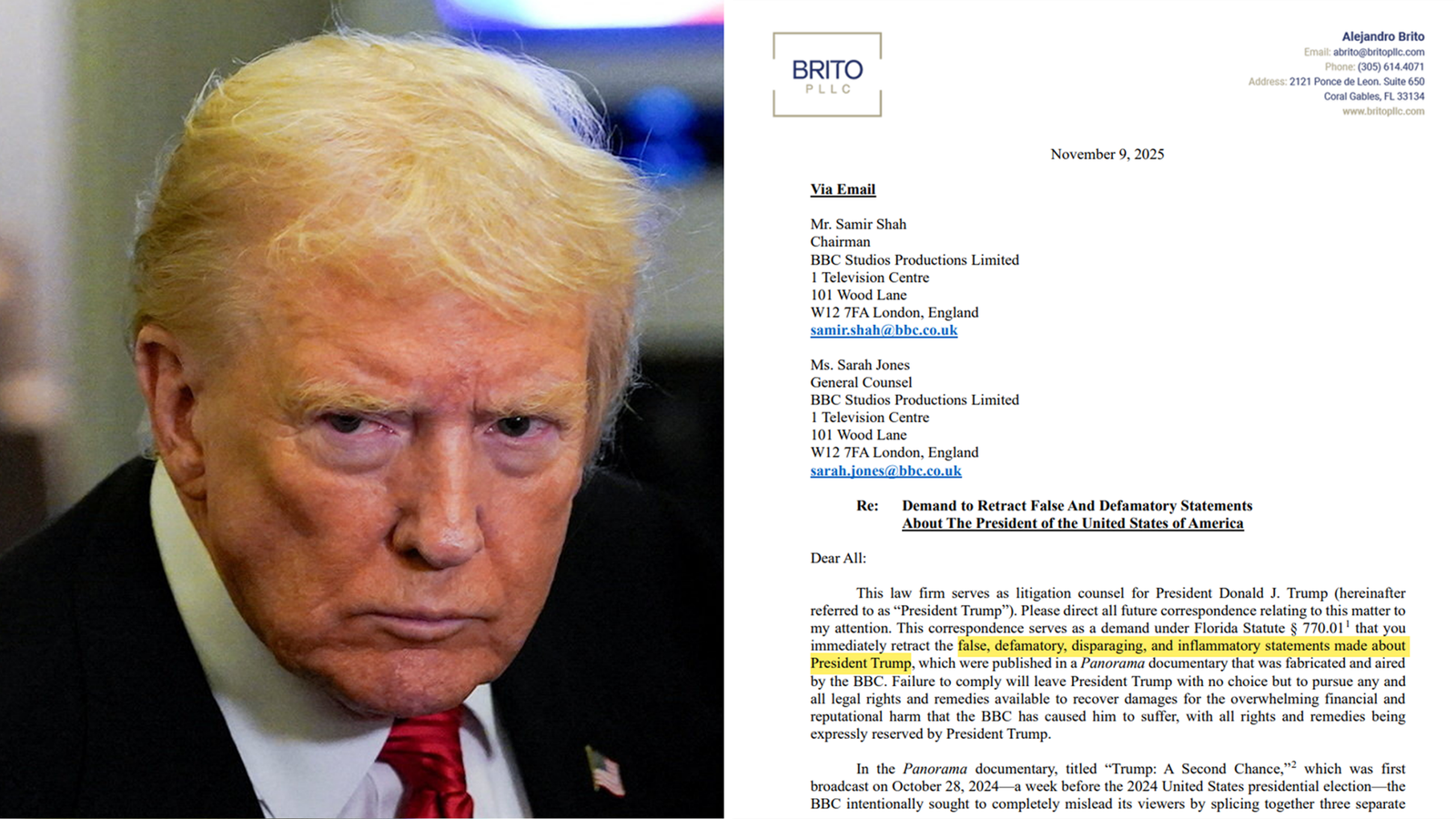
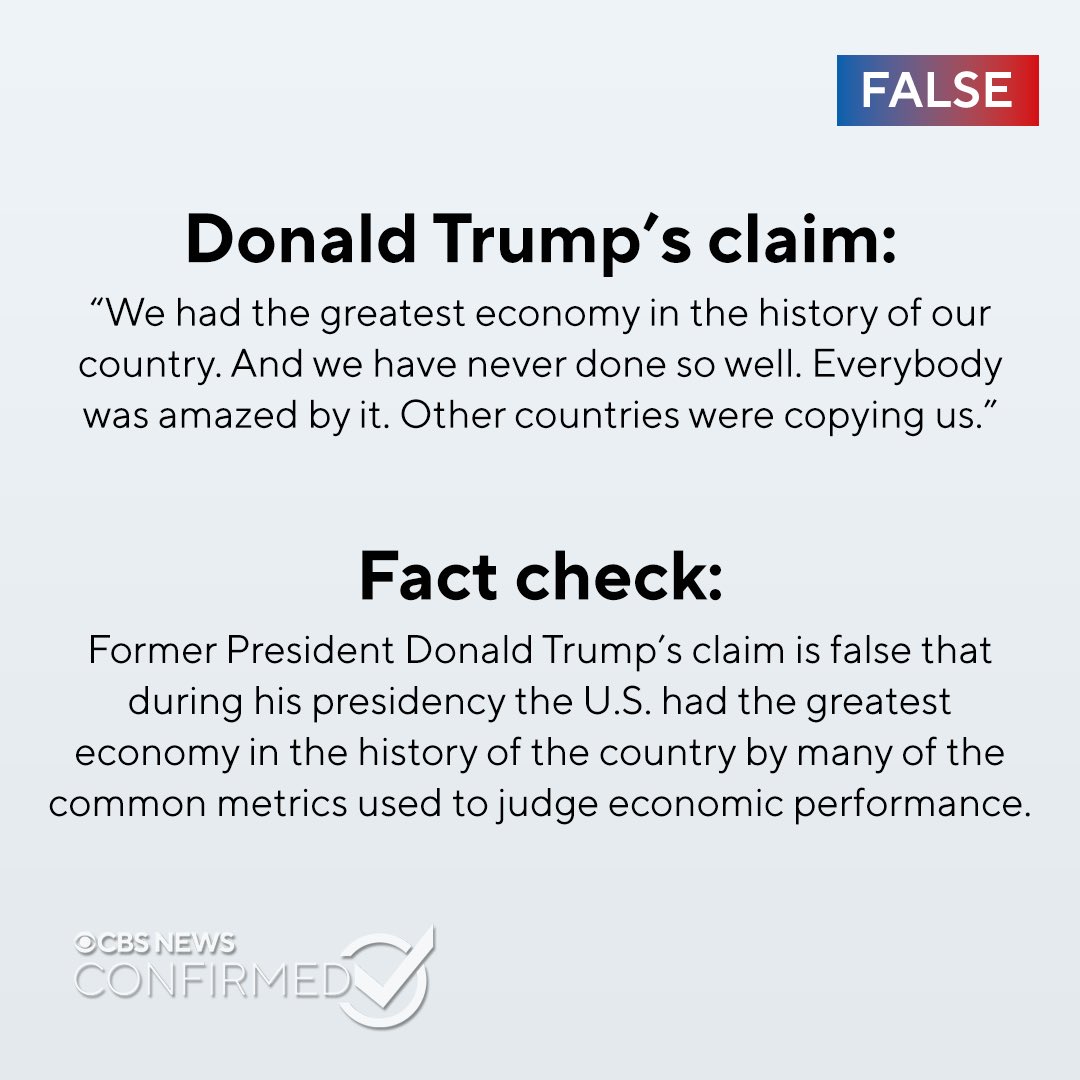
Donald Trump’s latest brush with American history is doing what his most provocative remarks always do: forcing a political fight over reality itself. The immediate issue is not just whether a claim is accurate. It is how quickly a misleading narrative can harden into a campaign weapon, a cable-news segment, and a test of institutional trust. That matters because history is no longer just a classroom subject or an archive problem. It is now part of the live infrastructure of politics, shaping what voters remember, what candidates deny, and what the press is forced to correct in real time. The larger stakes are obvious. When public figures treat factual error as performance, the damage spreads far beyond one statement. It alters the terms of debate, rewards outrage, and makes basic verification feel like a partisan act.
- Trump’s history-related claims are less about the past than about controlling the present.
- Fact-checking now plays out as a political event, not a background correction.
- Media trust, voter memory, and institutional credibility are all on the line.
- The real story is how misinformation becomes durable when repetition beats accuracy.
- This moment shows why public facts matter as much as policy in modern campaigns.
Why Trump History Claims Keep Landing Hard
The latest wave of scrutiny around Trump history claims fits a pattern that has defined his public life for years. He does not simply make controversial statements. He tests how far a claim can travel before it is challenged, reframed, or normalized. That is why these moments keep exploding beyond their factual core. They are not isolated slip-ups. They are stress tests for the political ecosystem.
What makes this cycle so effective is that history is emotionally loaded and easy to weaponize. A candidate can invoke patriotism, grievance, lost greatness, or national decline, then anchor those themes in an oversimplified or inaccurate account of the past. Once that happens, correcting the record is harder than repeating the claim. The correction sounds technical. The falsehood sounds decisive.
When politics turns history into a branding tool, the contest is no longer about what happened. It is about who gets to define what people think happened.
The Fact-Check Problem Is Bigger Than One Claim
Fact-checkers can verify a date, quote, or event. They cannot easily fix the ecosystem that rewards distortion. That is the central problem with Trump history claims. The issue is not that the facts are inaccessible. It is that facts now compete with identity, loyalty, and attention economics.
In the current media environment, a correction often arrives too late to change the emotional impression. By the time a claim is debunked, it has already been clipped, shared, and folded into a talking point. Even worse, the very act of correcting it can reinforce the message among audiences predisposed to distrust mainstream institutions. That is why fact-checking is necessary but not sufficient.
Why repetition beats accuracy
Political communication works through repetition. A false statement does not need to be believed immediately to be effective. It only needs to become familiar. Once familiar, it starts to feel plausible. Once plausible, it becomes defensible. That progression is the danger.
This is where the modern attention economy creates a structural advantage for rhetoric over record-keeping. The person who says the boldest thing often gets the loudest distribution. The person who explains the correction usually gets the smaller audience.
What This Means for the Press
For newsrooms, the challenge is not whether to cover the claim. It is how to cover it without turning into a passive amplifier. The best political coverage now requires a mix of verification, context, and discipline. That means not leading with the sensational line when the truth matters more than the spectacle.
Editorially, the press has to do three things well. First, state the factual record clearly. Second, explain why the false claim matters politically. Third, resist the temptation to pretend all distortions are equally harmless. They are not. Some falsehoods are just sloppy. Others are strategic. The latter demand sharper framing.
Coverage that only repeats the claim without explaining the mechanism behind it does the candidate a favor, even when the fact-check itself is correct.
For readers, the practical takeaway is simple: when a political figure makes a historical claim, ask what the claim is trying to accomplish. Is it rallying a base? Redirecting criticism? Recasting a failure as a betrayal? Those are strategic moves, not casual remarks.
Trump History Claims and the Politics of Memory
Memory is a political resource. That is why Trump history claims matter so much beyond the immediate controversy. They are part of a broader battle over who gets to narrate the American story. That battle influences curriculum fights, culture-war messaging, and even how voters interpret contemporary policy debates.
History arguments are powerful because they compress complex issues into moral shorthand. If the past is framed as a golden age, then the present becomes decline. If the nation is framed as perpetually victimized, then harsh rhetoric becomes justified. If institutions are framed as corrupt, then evidence becomes optional. This is why disputes over the past are often disputes over legitimacy.
How public memory gets manipulated
- Selectivity: Emphasizing only the facts that support the desired storyline.
- Compression: Reducing nuanced history into a single dramatic lesson.
- Repetition: Saying the same thing often enough that it feels established.
- Deflection: Shifting the argument from truth to motive, bias, or cultural resentment.
These tactics are not unique to one politician, but Trump has turned them into a governing style. He understands that the fight over memory is also a fight over authority. If the audience stops trusting the record, it becomes easier to trust the speaker.
Why This Matters for 2026 and Beyond
The deeper significance of this episode is not the single claim itself. It is the precedent it reinforces. If political leaders can freely reinterpret American history without meaningful penalty, then the line between commentary and propaganda gets thinner. That has consequences for democratic accountability.
Voters need a shared factual baseline to compare candidates, evaluate promises, and judge whether leaders are acting in good faith. When that baseline erodes, elections become contests of perception rather than performance. Policy details still matter, but they compete with an increasingly distorted information layer.
There is also a long-term institutional cost. Schools, museums, libraries, and archives all depend on public confidence that evidence matters. If influential figures can erode that confidence cheaply, those institutions spend more time defending the concept of truth and less time doing their work.
A Better Way to Read Political Fact Checks
If you want to make sense of moments like this, do not stop at the binary question of true or false. Ask what the statement is trying to mobilize. Ask who benefits from the confusion. Ask whether the correction will be treated as a correction or as proof of conspiracy.
Here is a simple framework readers can use:
- Identify the exact claim, not the broad theme around it.
- Separate factual error from strategic distortion.
- Check whether the claim changes the stakes of a policy debate.
- Watch how supporters and critics frame the correction.
- Pay attention to whether the story becomes about the facts or the outrage cycle.
That approach is especially useful with Trump history claims, because the point is often to create motion, not clarity. The faster you understand the incentive, the easier it is to see past the noise.
The Editorial Bottom Line
This is not just another factual dispute in a noisy campaign era. It is a reminder that politics now runs on narrative dominance as much as policy argument. Trump’s history claims keep working because they exploit a system built for speed, emotion, and spectacle. The response cannot just be correction. It has to be contextualization, repetition of the truth, and a refusal to let spectacle define the terms of the debate.
If the public is going to preserve any meaningful shared reality, then the burden falls on journalists, educators, and voters alike to treat history as evidence, not a prop. That is harder than it sounds. It is also the job.
The information provided in this article is for general informational purposes only. While we strive for accuracy, we make no guarantees about the completeness or reliability of the content. Always verify important information through official or multiple sources before making decisions.