Trump Inspector General Purge Raises the Stakes

Trump Inspector General Purge Raises the Stakes
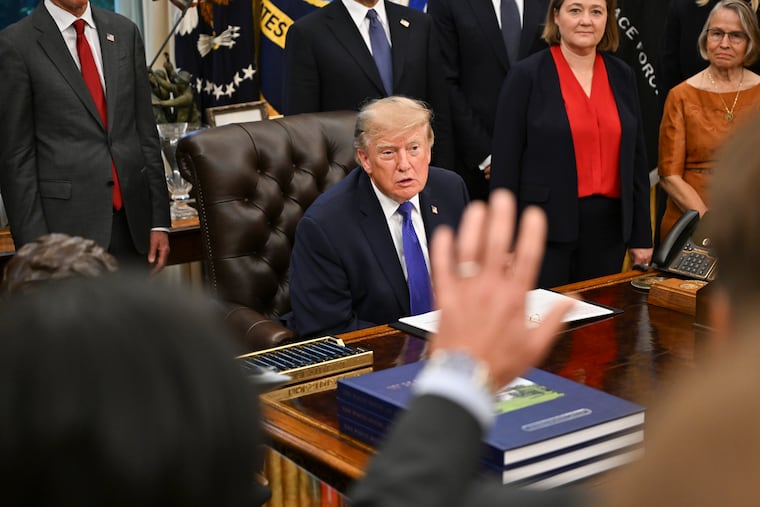
The quiet removal or sidelining of inspectors general is not a procedural footnote. It is a stress test for federal accountability, and it lands at a moment when the machinery of government already feels brittle. The Trump inspector general fight is bigger than one personnel move or one administration’s appetite for control. It is about who gets to watch the watchers, and whether those watchdogs can still do their jobs when political pressure closes in. For anyone tracking how power works in Washington, this is the kind of move that should set off alarms. When oversight weakens, waste gets easier to hide, retaliation gets easier to justify, and public trust erodes faster than any press release can repair it.
- The
Trump inspector generalcontroversy is really about oversight independence. - Inspector generals are designed to catch waste, abuse, and corruption inside government.
- Political pressure on watchdogs can chill investigations long before anyone is formally fired.
- The long-term impact could be a weaker federal accountability system and a more centralized White House.
- What happens next may shape how aggressively future administrations handle internal dissent.
Why the Trump inspector general fight matters now
Inspector generals are supposed to be the boring part of democracy. That is their power. They are internal auditors, investigators, and watchdogs tasked with surfacing wrongdoing that would otherwise stay buried in agency bureaucracy. When the White House clashes with them, the issue is not just staffing. It is structural. If one president can intimidate, sideline, or remove these officials without meaningful resistance, the entire oversight model becomes vulnerable to politics.
The Trump inspector general episode matters because it exposes a deeper question about modern government: can an executive branch still be self-policing when the person at the top sees scrutiny as disloyalty? That is not a niche legal debate. It affects everything from procurement integrity to national security oversight to how federal workers report misconduct.
The inspector general system was built to resist exactly this
The inspector general framework exists because Congress understood a basic truth: agencies are bad at policing themselves when the stakes are high. These offices were created to investigate fraud, waste, abuse, and operational failures across the federal government. In theory, they offer a buffer between political appointees and the evidence.
That buffer only works if the watchdogs are protected enough to investigate inconvenient facts. The modern tension around the Trump inspector general dispute comes from a familiar playbook: call the watchdog partisan, attack the legitimacy of the investigation, and turn oversight into a loyalty test. Once that happens, the function of the office changes. The goal is no longer to find the truth. The goal becomes to survive the pressure.
When watchdogs become political targets, the system does not just lose a few investigators. It loses the institutional memory that keeps abuse from becoming routine.
What this says about power inside the executive branch
This story is not really about one official. It is about the shape of executive power. The more a president centralizes control, the more independent actors inside government are treated as obstacles. Inspectors general are especially awkward because they sit inside the machinery they are meant to scrutinize. They see the invoices, the emails, the contracts, the internal complaints. That access makes them effective, and it also makes them threatening.
In the Trump inspector general context, the key question is whether the White House wants oversight that is merely symbolic or genuinely independent. Those are very different things. Symbolic oversight can issue reports after the fact. Independent oversight can interrupt misconduct while it is still happening. That difference matters when the targets are politically sensitive programs, procurement decisions, or high-value federal contracts.
Why the timing is politically explosive
Timing changes everything. A president can argue that personnel turnover is normal, but removals or reassignment of watchdogs during active scrutiny inevitably look strategic. Even when legal authority exists, the optics are corrosive. The public does not read these moves as neutral housekeeping. It reads them as power protecting itself.
That is why the Trump inspector general controversy is so combustible. It lands in an era where Americans already distrust institutions, and where every internal conflict gets interpreted through the lens of partisan warfare. The danger is that legitimate oversight gets dismissed as theater while legitimate executive reform gets dismissed as retaliation. Once that cycle begins, everyone loses the ability to distinguish accountability from politics.
The real cost is not immediate. It is cumulative
The most damaging effects of weakening inspector general independence are often invisible at first. One report does not collapse a system. One firing does not erase oversight. But the cumulative impact can be severe. Employees stop reporting problems. Investigators become more cautious. Agency leaders learn which lines not to cross, and they may cross the rest with more confidence.
That is why the Trump inspector general story should be read as a warning about normalization. If a White House successfully narrows the boundaries of acceptable scrutiny, future administrations inherit the precedent. What begins as a fight over one office can become a template for how presidents manage internal dissent across the federal government.
Pro tip for tracking this kind of power shift
- Watch for changes in reporting lines, not just firings.
- Pay attention to acting appointments, since they can quietly dilute independence.
- Look at budget constraints, because underfunding can be just as effective as removal.
- Monitor whether investigations are delayed, narrowed, or quietly reassigned.
The legal question is only part of the story
People often fixate on whether a move is technically legal. That is necessary, but not sufficient. A president may have broad authority over executive branch personnel, yet legality does not automatically equal good governance. The constitutional design of inspector general offices assumes a healthy tension between oversight and executive control. When that tension breaks, the law may still function, but accountability weakens.
The Trump inspector general controversy highlights how fragile norms can be even when statutes remain intact. A system can survive on paper while becoming less trustworthy in practice. That is the subtle danger here. The public may see continuity, but inside the agencies the message is unmistakable: some truths are safer than others.
What business leaders and technologists should notice
This is not just a political story. It offers a useful lens for any large organization that claims to value accountability. Enterprises, nonprofits, universities, and especially tech companies all face the same governance dilemma: how do you empower internal auditors without turning them into decorative compliance staff?
The Trump inspector general debate mirrors familiar corporate failures. When internal risk teams are bypassed, when compliance gets overruled by leadership preferences, or when whistleblowers are isolated, scandals tend to get bigger, not smaller. The lesson is simple: oversight only works when leaders tolerate discomfort.
For tech companies, the lesson is especially urgent. Platforms and AI firms are operating at a scale where self-regulation is increasingly suspect. If internal oversight is treated as a branding exercise, the company may gain short-term speed and long-term liability. The government version of that mistake is what this story is warning against.
How the story could evolve next
There are a few plausible paths ahead. One is institutional pushback, where Congress, career officials, or the courts reinforce the independence of watchdog offices. Another is a slow normalization of political interference, where the public becomes accustomed to weaker oversight and simply moves on. The third is a pendulum swing after a future scandal exposes what the prior crackdown concealed.
The Trump inspector general issue could also reshape how future presidents think about internal accountability. If the political cost of undermining watchdogs remains low, the temptation will spread. If it becomes a scandal with real consequences, administrations may think twice before treating oversight as disposable.
The key battle is not whether oversight exists. It is whether oversight can still surprise power.
Why this matters beyond Washington
It is tempting to file this away as another Beltway conflict. That would be a mistake. The quality of federal oversight affects public contracts, disaster response, law enforcement, healthcare administration, and the credibility of every agency report that citizens depend on. If watchdogs are compromised, the cost lands on taxpayers and institutions, not just politicians.
The Trump inspector general story is ultimately a story about whether democratic systems can still tolerate internal friction. Healthy systems are noisy. They have objections, audits, and uncomfortable findings. Weak systems prefer silence. The danger is not that oversight is imperfect. The danger is that it becomes ornamental.
And once that happens, recovering trust is much harder than losing it. That is why this fight deserves attention now, before the precedent hardens and before the next administration inherits a diminished standard for accountability.
The information provided in this article is for general informational purposes only. While we strive for accuracy, we make no guarantees about the completeness or reliability of the content. Always verify important information through official or multiple sources before making decisions.