UK Online Safety Push Reshapes Digital Speech
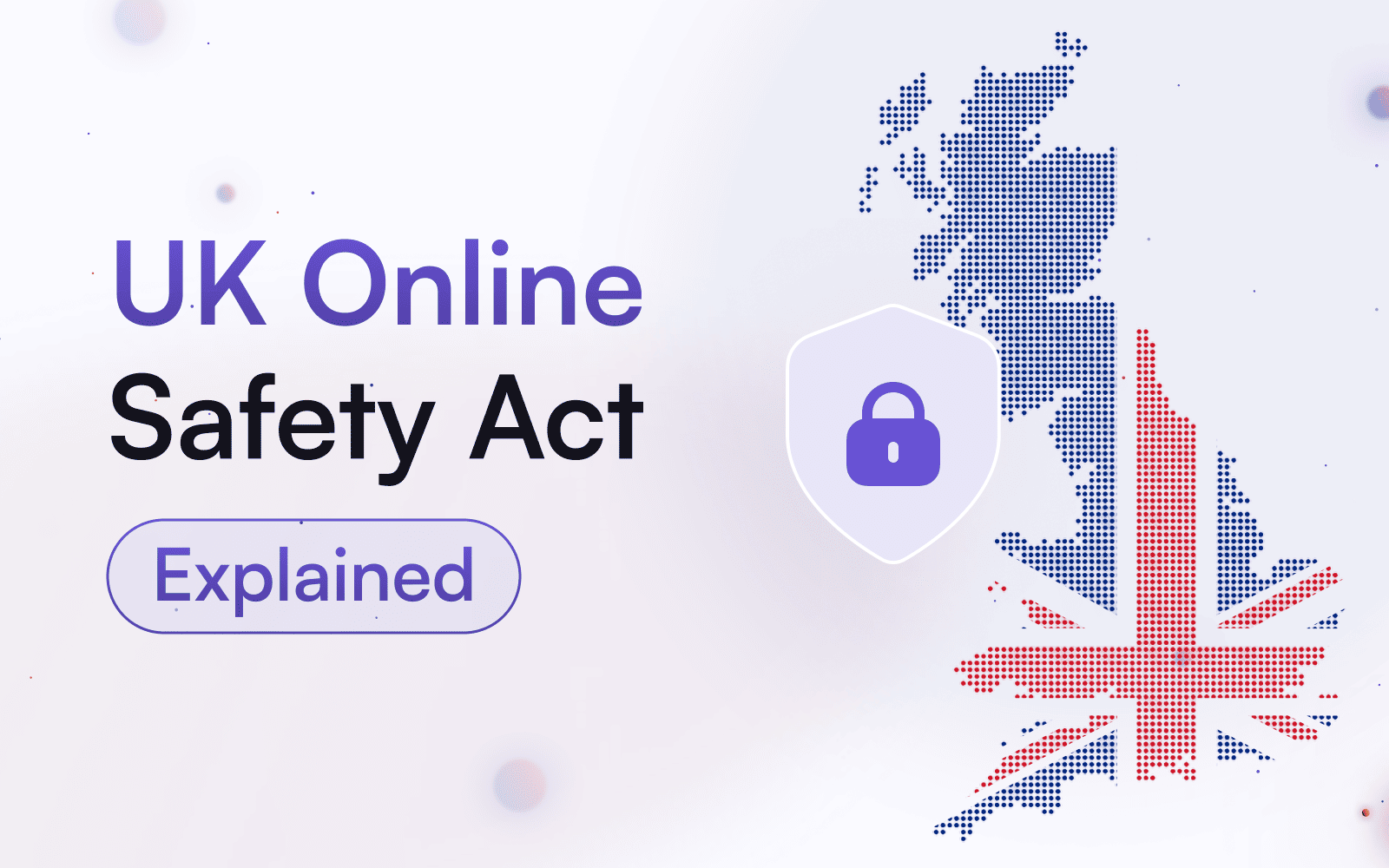
UK Online Safety Push Reshapes Digital Speech
The UK Online Safety crackdown is no longer a policy debate happening in the background. It is now a live test of how much control governments should have over digital speech, and how much responsibility platforms should bear when harm spreads faster than moderation can catch it. That tension matters because the internet has become a default layer of public life: for politics, commerce, activism, journalism, and entertainment. When lawmakers force platforms to harden their rules, the effects ripple outward quickly. Some users get safer spaces. Others see legitimate speech disappear into automated filters. Platforms get pressure to act faster. Regulators get credit for doing something visible. The real question is whether the system being built is actually improving trust, or just industrializing caution.
- The UK Online Safety regime is pushing platforms toward stricter moderation and faster takedowns.
- Safety gains may come with real tradeoffs for free expression, transparency, and due process.
- Automated enforcement will likely expand, but it remains imperfect and error-prone.
- Smaller platforms face the biggest compliance burden, even if they pose the least systemic risk.
- The long-term fight is about who gets to define harm online: lawmakers, platforms, or users.
Why the UK Online Safety debate is so explosive
The reason this story keeps escalating is simple: the internet used to be treated like a neutral distribution layer, and that era is over. The new model assumes platforms are not passive pipes but active curators with legal and ethical duties. That sounds reasonable until you ask the harder question: who decides what gets removed, deprioritized, or age-gated?
For governments, the appeal is obvious. Harassment, extremism, child safety issues, and scam content are highly visible harms that create political pressure. For companies, the incentive is less noble: comply early, avoid fines, and reduce regulatory risk. But for users, the outcome can feel inconsistent. One day a post is allowed, the next it is flagged. One account can vanish while another spreads the same message untouched. That inconsistency is exactly what makes these systems feel both powerful and brittle.
Safety policy online works best when it is precise, transparent, and contestable. The moment it becomes vague, it starts punishing speech instead of harm.
What platforms are being forced to do
At the core of the UK Online Safety framework is a simple expectation: platforms should do more than react after damage is done. They are increasingly expected to design services that limit risk up front, especially for younger users and vulnerable groups. That means more friction, more verification steps, more content classification, and in many cases more automated moderation.
That sounds tidy on paper. In practice, it creates a very specific engineering problem. Platforms have to detect harmful content at scale without creating a flood of false positives. They also have to explain enforcement decisions to users who may have done nothing wrong. And they have to do all of this while facing public scrutiny from both sides: critics who say they are too permissive and free-speech advocates who say they are becoming too aggressive.
Automation is doing the heavy lifting
There is no realistic way to manually review the volume of content posted every second across large platforms. So the enforcement burden shifts toward machine detection, pattern matching, and risk scoring. The problem is that these systems are better at identifying obvious violations than interpreting context. Sarcasm, satire, political debate, journalistic reporting, and educational content often look suspicious to automated tools.
That creates a familiar failure mode: the platform that wants to look responsible ends up over-enforcing. If you have ever had a post removed for discussing a news event, or had a harmless phrase flagged because the model saw a keyword, you already understand the cost. Safety at scale is not free. It is paid for in ambiguity.
Why the UK Online Safety model matters globally
Even though this is a UK policy story, the implications are international. Tech regulation rarely stays local for long. If a major market forces platforms to alter product design, those changes tend to spread. Companies do not like building separate safety stacks for every country. They standardize where they can, then localize only where they must.
That means the UK can influence how platforms behave well beyond its borders. A stricter reporting flow, a harder age gate, or a more aggressive takedown policy may quietly become the default elsewhere. The result is a kind of regulatory spillover: a policy designed for one jurisdiction ends up shaping the social internet for everyone.
This is why tech leaders are watching closely. The issue is not just compliance cost. It is product philosophy. Once a platform is optimized for legal defensibility, it often becomes less open, less experimental, and more conservative by default.
The hidden cost for smaller platforms
The biggest firms can absorb compliance overhead. They have trust and safety teams, legal departments, and expensive moderation tooling. Smaller services do not. For them, the UK Online Safety push can be existential. They may need to spend on systems they cannot fully afford, or narrow their feature set to reduce liability.
That is a structural problem because regulation intended to tame Big Tech can also entrench it. If the compliance bar is too high, incumbents benefit simply because they can pay to clear it. New entrants, meanwhile, may decide the market is not worth the regulatory drag.
- Large platforms can usually scale moderation with existing infrastructure.
- Smaller communities may face outsized compliance costs.
- Niche forums often struggle when rules are broad and context-sensitive.
- Startups may delay launches in regulated markets altogether.
Safety versus speech is not a clean tradeoff
The most important mistake in this debate is pretending there are only two options: maximum safety or maximum freedom. That is a false binary. Real systems need nuance. A platform can reduce harm without flattening legitimate speech, but only if it invests in transparency, appeals, and human review for edge cases.
What makes the current moment so fraught is that many of the mechanisms used to enforce policy are blunt instruments. Keyword filters, automated strikes, and opaque risk scores can catch abuse, but they can also suppress criticism, advocacy, and documentation. If moderation becomes too aggressive, users stop trusting the system. If it is too lenient, regulators conclude the platform is reckless. That is the narrow corridor companies are trying to walk.
Good moderation is less about purity and more about governance. Users can tolerate rules. They cannot tolerate arbitrary enforcement.
What companies should do now
If you run a platform, the lesson from the UK Online Safety push is not simply to add more filters. It is to build a moderation architecture that can be defended publicly and audited internally. That means better classification, clearer policies, and user-facing explanations that make enforcement feel predictable rather than random.
Here is the practical playbook:
- Audit your highest-risk content categories first.
- Separate policy review from automated enforcement wherever possible.
- Build a real appeals process, not a dead-end form.
- Document moderation rules in plain language.
- Test false positives before expanding detection thresholds.
Teams should also think in terms of risk tiers. Not every piece of content deserves the same treatment. A threat, a news clip, a joke, and an academic discussion all require different handling. If the system cannot distinguish between them, it is not sophisticated enough for the job.
A simple operational model
For product and trust teams, one useful framework is:
Detectobvious abuse quickly.Escalateambiguous cases to human reviewers.Explainremovals with specific policy references.Appealdecisions through a tracked workflow.Learnfrom reversal rates and false-positive patterns.
This is not glamorous, but it is how you build credibility. And credibility is the one thing policy-heavy platforms cannot fake for long.
What happens next
The next phase of the UK Online Safety story will likely be defined by enforcement, not legislation. That is where the real impact shows up. Regulations often look abstract until companies start changing defaults, limiting features, or reclassifying content to reduce exposure. Then users notice.
Expect a few predictable developments. More age assurance. More moderation complaints. More pressure on platforms to publish data about takedowns and appeal outcomes. And, inevitably, more accusations that the rules are either too weak to matter or too strong to trust.
The larger question is whether policymakers can keep safety from becoming a euphemism for blanket control. That will depend on enforcement discipline, public transparency, and the willingness to correct bad outcomes instead of defending them. If regulators treat mistakes as proof the system is working, trust will erode fast. If platforms treat compliance as a box-checking exercise, they will end up with a brittle, defensive product culture.
The internet does need guardrails. It just does not need blindfolds.
The information provided in this article is for general informational purposes only. While we strive for accuracy, we make no guarantees about the completeness or reliability of the content. Always verify important information through official or multiple sources before making decisions.