Ukraine Peace Talks Face a Hard Reset

The war in Ukraine has entered the phase every capital feared: the moment when battlefield exhaustion collides with diplomatic urgency. The latest round of Ukraine peace talks, involving U.S. envoys Steve Witkoff and Jared Kushner in Kyiv after engagement with Vladimir Putin in Moscow, signals a new push to test whether negotiation can do what sanctions, weapons packages, and summitry have not. For Ukraine, the stakes are existential. For Europe, they are strategic. For Washington, they are political as much as geopolitical. The central question is not whether talks can happen. They are happening. The question is whether any framework can protect Ukrainian sovereignty while giving Russia enough incentive to stop fighting.
- U.S. diplomacy is accelerating as envoys shuttle between Moscow and Kyiv to probe a possible settlement framework.
- Ukraine faces a dangerous balancing act: staying open to talks without accepting terms that reward invasion.
- Russia’s leverage remains tied to battlefield pressure, energy politics, and its ability to stretch Western unity.
- Any deal will hinge on security guarantees, territorial language, sanctions relief, and enforcement mechanisms.
- The process matters as much as the outcome because rushed diplomacy could freeze the war without ending it.
Ukraine Peace Talks Enter a More Transactional Phase
The presence of Witkoff and Kushner in this diplomatic lane is notable because it suggests a style of negotiation built less around traditional foreign-policy choreography and more around deal architecture. That can be useful in a war where formal positions have hardened. It can also be risky. A war settlement is not a real estate closing. It is a security order, a domestic political compact, a military arrangement, and a test of international law all at once.
Kyiv has strong reasons to listen. Ukraine needs continued U.S. support, reliable air defense, ammunition, intelligence cooperation, and a political guarantee that it will not be pressured into a cosmetic ceasefire that simply gives Russia time to rearm. But listening is not the same as yielding. Ukrainian leaders have repeatedly argued that any peace formula must preserve sovereignty, ensure accountability, and prevent another invasion.
The brutal truth of diplomacy in Ukraine is that a bad ceasefire can be more dangerous than no ceasefire if it locks in vulnerability and calls it peace.
That is why the wording of any proposal matters. Terms like ceasefire, security guarantees, territorial settlement, and sanctions relief are not abstractions. Each one carries real consequences for borders, soldiers, displaced families, and the future of European security.
Why Ukraine Peace Talks Are So Difficult Now
The diplomatic push arrives after years of attritional warfare that have reshaped assumptions on all sides. Russia has absorbed sanctions and battlefield losses while continuing to mobilize manpower and defense production. Ukraine has demonstrated extraordinary resilience but remains heavily dependent on Western military support. European governments understand the threat but still struggle with industrial capacity, electoral pressure, and defense spending timelines.
Russia Wants Recognition Without Saying It That Simply
Moscow’s core objective has not changed: it wants Ukraine constrained, Western influence reduced, and Russian control over occupied territory normalized in some form. The Kremlin may package that as neutrality, demilitarization, protection of Russian speakers, or security guarantees for Russia. But the strategic intent is clear: limit Ukraine’s freedom to choose its future.
That is why any proposal that asks Ukraine to accept permanent territorial concessions would be politically explosive. It would also create a precedent that borders can be revised by force if the aggressor can endure long enough. For Kyiv, this is not just a moral issue. It is a survival issue. If Russia can invade, occupy, pause, and then invade again, Ukraine remains trapped in a cycle of strategic blackmail.
Ukraine Needs Guarantees That Actually Mean Something
The phrase security guarantees is often used casually, but Ukraine has reason to be skeptical. Paper promises did not stop the full-scale invasion. A credible guarantee would need teeth: rapid military aid triggers, air defense commitments, intelligence sharing, defense-industrial integration, and potentially a long-term Western training and deterrence presence.
There is a big difference between a guarantee that says partners are concerned and one that says partners will act. That distinction will define whether any agreement is durable or performative.
Pro Tip for reading the diplomacy: watch the verbs. If a framework says allies may respond, it is weak. If it says allies will provide defined capabilities under defined conditions, it is stronger. Diplomatic language is where loopholes are born.
The U.S. Role Is Powerful But Complicated
Washington remains the indispensable external actor because Ukraine’s defense pipeline depends heavily on American weapons, intelligence, and political backing. That gives U.S. envoys influence in Kyiv. It also gives Moscow an incentive to treat Washington as the main negotiating counterpart, sometimes attempting to sideline Ukraine or Europe.
That dynamic is dangerous. No sustainable settlement can be designed over Ukraine’s head. The principle of nothing about Ukraine without Ukraine is not just a slogan. It is a guardrail against a great-power bargain that trades Ukrainian territory for a temporary geopolitical calm.
Why Witkoff and Kushner Change the Optics
Witkoff and Kushner bring a profile associated with private-sector negotiation and personal diplomacy. Supporters may argue that unconventional envoys can break stalemates where formal channels have failed. Critics will counter that Ukraine requires deep regional expertise, alliance management, and granular knowledge of military realities.
Both views can be true. Backchannels can open doors. But backchannels can also blur accountability. In a conflict this consequential, process transparency matters. Kyiv, European allies, and the U.S. Congress will all want to know whether proposals are being tested, floated, or effectively imposed.
Speed is useful only if it does not outrun strategy. A fast deal that misunderstands Russian incentives could become the next phase of the war by other means.
The Deal Points That Will Decide Everything
Any serious negotiation will eventually run into a small set of hard issues. These are the pressure points where diplomatic optimism usually meets reality.
- Territory: Will the agreement recognize, defer, or reject Russian claims over occupied areas?
- Military posture: Will Ukraine face limits on its armed forces, weapons systems, or alliances?
- Security guarantees: Who enforces them, how fast, and with what capabilities?
- Sanctions: What relief does Russia receive, and can penalties snap back if it violates terms?
- Reconstruction: Who funds Ukraine’s recovery, and can frozen Russian assets be used?
- Prisoners and civilians: How are deported children, detainees, and displaced people handled?
These details are not secondary. They are the deal. A vague agreement can create headlines, but ambiguity often favors the side willing to violate norms. Ukraine will likely push for specificity because it has lived through the cost of unenforced commitments.
The Minsk Shadow Still Hangs Over the Room
Past attempts to manage the conflict through negotiated frameworks left deep scars. The lesson many Ukrainians took from earlier agreements is that Russia can use diplomatic pauses to consolidate, deny responsibility, and prepare for escalation. That history makes Ukrainian skepticism rational, not obstructionist.
For the U.S., the lesson should be equally clear: verification and enforcement cannot be afterthoughts. A ceasefire line without monitoring, consequences, and resupply protections is not a peace plan. It is a weather report.
Why This Matters Beyond Ukraine
The outcome of these talks will echo far beyond Kyiv and Moscow. If Russia gains durable benefits from conquest, other authoritarian powers will study the playbook. If Ukraine secures sovereignty through a combination of resistance and credible guarantees, the message changes: aggression can be resisted, and democratic alliances can still impose costs.
Europe is watching because its own security architecture is on the table. NATO members near Russia understand that Ukraine is not a distant conflict. It is the front edge of a broader contest over deterrence. A weak settlement could force Europe into higher defense spending under worse conditions. A stronger settlement could buy time to rebuild deterrence with Ukraine as a heavily armed partner rather than a permanently destabilized buffer.
There is also a domestic U.S. dimension. Ukraine policy has become entangled with debates over spending, burden-sharing, executive power, and America’s role in the world. Envoy-led diplomacy may appeal to voters tired of open-ended commitments. But if the result is perceived as coercing Ukraine into concessions, it could trigger backlash from both security hawks and democracy advocates.
What to Watch Next in Ukraine Peace Talks
The next signals will matter more than the atmospherics. Watch whether Kyiv publicly endorses any framework or simply confirms that discussions occurred. Watch whether Moscow reduces attacks or escalates to increase pressure. Watch whether European leaders are brought into the process early or briefed after the fact. And watch the language around NATO, neutrality, and occupied territories. Those words will reveal the real direction of travel.
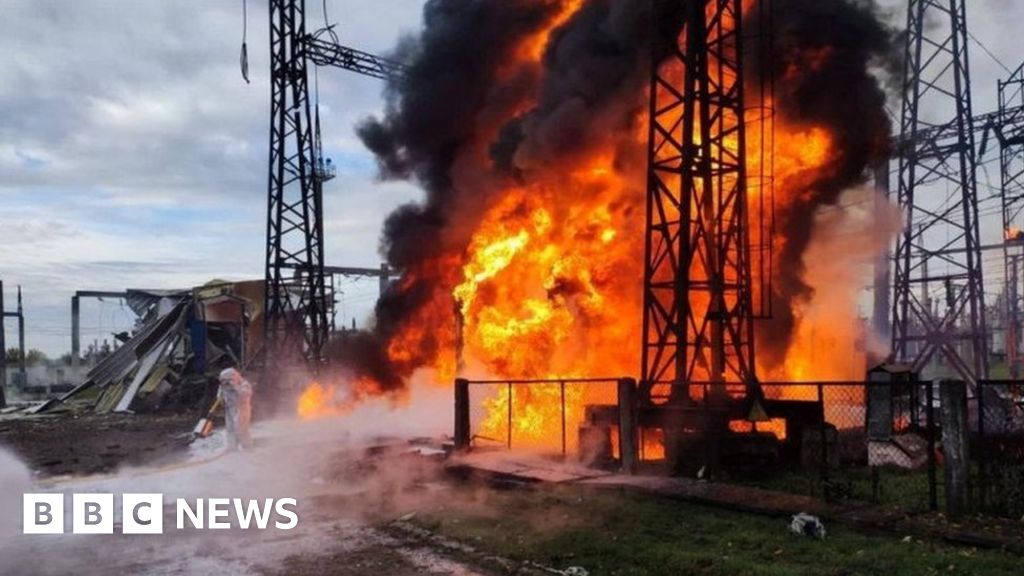
A credible path forward would likely start with limited, verifiable steps: prisoner exchanges, civilian protections, energy infrastructure safeguards, and monitored pauses in specific zones. Those measures would not solve the war, but they could test whether Russia is negotiating or merely performing diplomacy for leverage.
The uncomfortable reality is that peace is not always the opposite of war. Sometimes it is a battlefield condition renamed for political convenience. The challenge for U.S. envoys, Ukrainian officials, and European allies is to avoid mistaking motion for progress. The best diplomacy will not be the one that produces the quickest announcement. It will be the one that leaves Ukraine safer the morning after the signing ceremony than it was the day before.
The information provided in this article is for general informational purposes only. While we strive for accuracy, we make no guarantees about the completeness or reliability of the content. Always verify important information through official or multiple sources before making decisions.