Ukraine Peace Talks Stall Again
Ukraine Peace Talks Stall Again
Ukraine peace talks stall again, and the stalemate is doing more than freezing diplomacy. It is exposing a brutal truth: ceasefire language is cheap, but leverage is not. Every round of discussion now carries the same frustrating contradiction – leaders can sound closer to compromise while the battlefield, sanctions regime, and domestic politics pull in opposite directions. For Kyiv, any deal that locks in Russian gains risks becoming a strategic wound. For Moscow, concessions without visible wins are a political liability. And for Western capitals, the question is no longer whether talks can resume, but whether anyone involved has the incentive to make them matter. That is why the latest deadlock feels bigger than one failed meeting. It is a stress test for the entire framework of negotiated peace.
- The latest diplomatic round shows how fragile the path to peace remains.
- Battlefield conditions still shape the bargaining table more than rhetoric does.
- Any settlement must balance security guarantees, territorial reality, and political survival.
- Without credible enforcement, ceasefire terms risk becoming temporary pauses.
- The longer talks stall, the more both sides may harden their positions.
Why Ukraine Peace Talks Stall Again
The phrase Ukraine peace talks stall again captures a familiar pattern: public optimism, private distrust, then silence. The obstacle is not a lack of diplomatic activity. It is the mismatch between what each side needs and what each side can afford to give away. Negotiations over war usually fail when the cost of compromise feels immediate, but the cost of continuing the fight feels abstract. Right now, neither side appears ready to absorb the political fallout of a real concession.
For Ukraine, the central problem is security. Any agreement that pauses fighting without durable guarantees can look less like peace and more like a timer. For Russia, the challenge is legitimacy. A retreat framed as a compromise can be sold at home only if it preserves enough of the original story: that the war produced strategic gain. That leaves diplomats trying to build a bridge between two positions that are not just different, but structurally incompatible.
Peace talks rarely fail because nobody wants peace. They fail because the deal required to end the war is often harder to defend than the war itself.
The battlefield still controls the table
Any serious reading of the current moment has to start with the battlefield. Negotiations do not happen in a vacuum. They move when military momentum shifts, when supply lines weaken, or when one side believes time is turning against it. If neither side sees a decisive reason to bend, then the talks become theater: useful for signaling, but not for closing gaps.
Leverage matters more than headlines
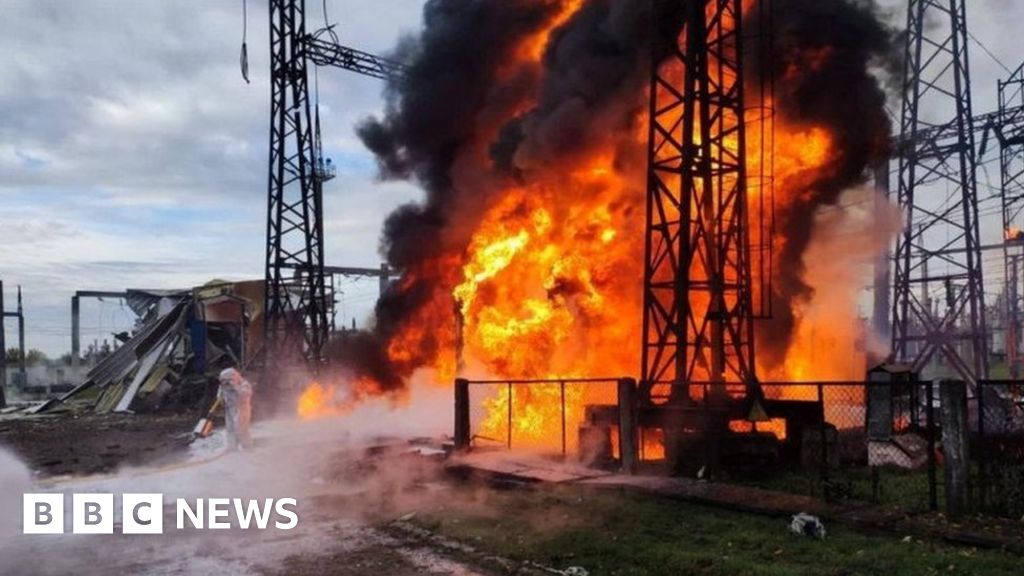
The diplomatic process is often treated like a separate lane from the fighting, but the two are inseparable. A meaningful ceasefire requires enforcement, monitoring, and consequences for violations. Without those, the paper agreement is just a fragile pause. That is especially true in a conflict where drones, artillery, and long-range strikes can reshape the front in days.
Russia’s calculation likely depends on whether it believes it can still improve its position militarily. Ukraine’s calculation depends on whether continued resistance can preserve not just territory, but negotiating strength. That is why battlefield developments remain the most important language in the room, even when the room is full of diplomats.
What a real deal would have to solve
Any viable settlement has to answer three questions at once: what happens to territory, what guarantees security, and who enforces compliance. Leave out any one of those and the deal becomes unstable.
Territory without resolution
Territorial questions are the hardest because they are also the most symbolic. Borders are not just lines on a map. They are the visible measure of sovereignty, sacrifice, and national survival. If the final shape of control is left vague, both sides can claim victory temporarily while setting the stage for renewed conflict later.
Security guarantees that actually mean something
Security guarantees are the difference between a pause and peace. But they only matter if they are credible. A vague promise from outside powers is not the same as a binding defense structure. In practical terms, that means discussions around security guarantees have to move beyond political statements and toward mechanisms that could be tested under stress.
Verification and enforcement
Even a solid agreement can unravel if the enforcement architecture is weak. That is why any future arrangement will almost certainly require monitoring, communications channels, and clear penalties for violations. In other words, peace is not just negotiated. It is operationalized.
Ukraine peace talks stall again because trust is missing
Trust is the currency these talks do not have. Each side reads the other through the memory of broken promises, battlefield reversals, and maximalist messaging. That creates a classic deadlock: the side that wants guarantees refuses to move first, while the side that wants concessions refuses to commit before receiving them.
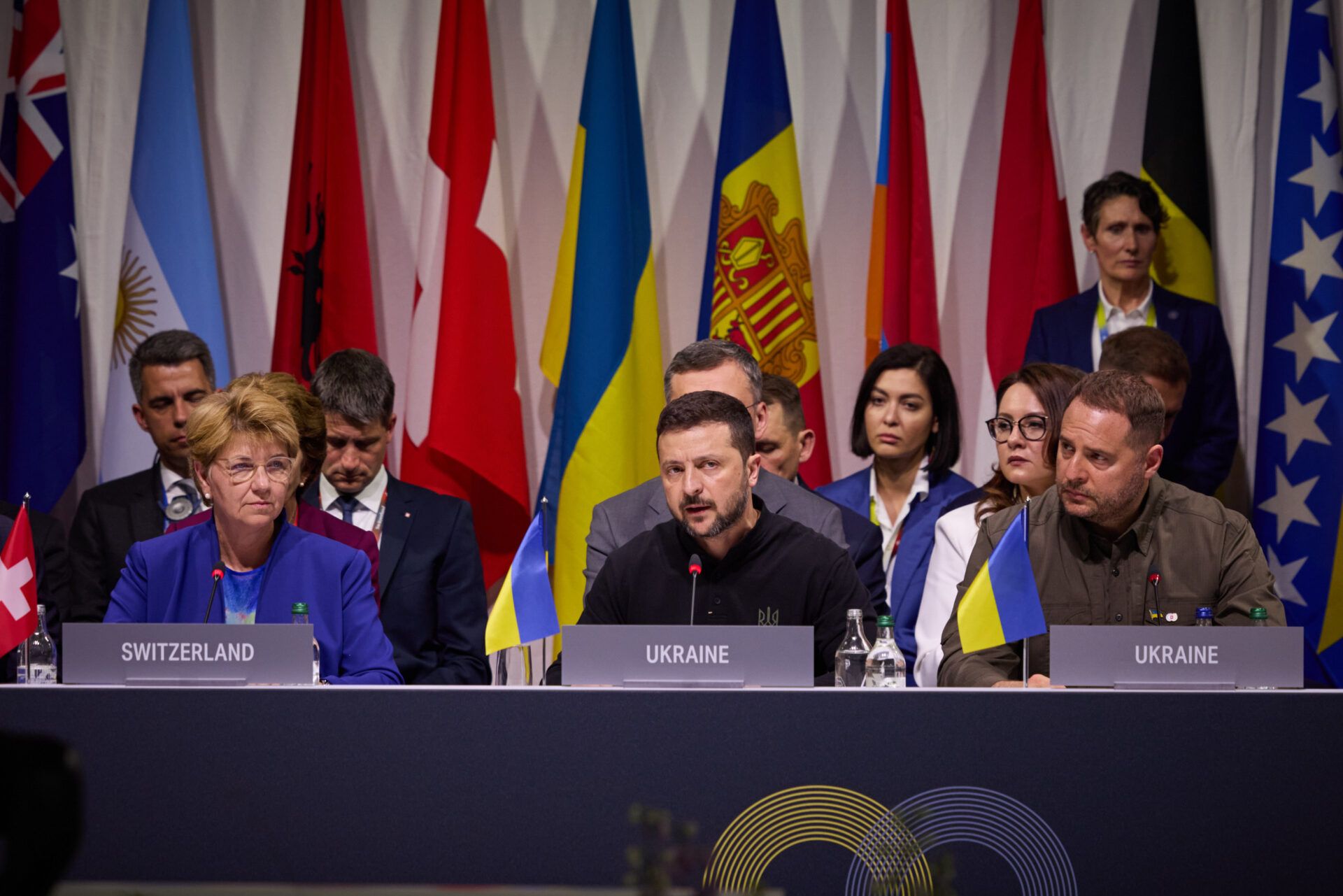
This is where external mediators matter, but only up to a point. Third parties can reduce friction, offer off-ramps, and shape the language of compromise. They cannot manufacture trust out of thin air. They can only create conditions where trust becomes less necessary than verification. That is why the most realistic route to progress usually involves phased commitments, not grand bargains.
The most durable war-ending agreements are often less like peace treaties and more like systems of controlled risk.
What the West can and cannot do
Western governments are central to the outcome, but they are not omnipotent. They can supply weapons, impose sanctions, fund reconstruction, and pressure allies to maintain alignment. What they cannot do is force a settlement that one of the combatants sees as existentially unacceptable.
That distinction matters. Policy debates in Washington, Brussels, and London often assume leverage can be dialed up until diplomacy clicks into place. But leverage is not infinite. Sanctions can degrade economic capacity, yet they rarely create instant political conversion. Military aid can hold the line, but it does not automatically produce a negotiating breakthrough.
The real Western challenge is sequencing. If support remains strong, Kyiv may continue fighting from a position of relative resilience. If support weakens, the pressure to accept a risky settlement rises. Either way, the West is helping shape the bargaining range, even if it cannot determine the final sentence.
Why this matters now
The reason these stalled talks matter is not just because another meeting ended without a breakthrough. It is because every failure narrows the set of futures available. Prolonged deadlock makes hardliners stronger, reduces the political value of compromise, and raises the odds that the eventual settlement – if one arrives at all – will come after more destruction.
There is also a broader geopolitical lesson. Wars in the modern era are increasingly mediated by information, industrial capacity, alliance management, and domestic politics. That means peace talks are not isolated events. They are part of a wider contest over narrative control and strategic endurance. When the talks stall, the message to both domestic audiences and foreign partners is simple: nobody is ready to pay the price of closure yet.
What to watch next
- Whether back-channel diplomacy produces a narrower, phased proposal.
- Whether battlefield shifts change either side’s willingness to compromise.
- Whether external partners can align around a credible enforcement model.
- Whether public rhetoric softens enough to make negotiation politically survivable.
Signs of a serious breakthrough
If the talks are going to move, look for practical rather than dramatic signals. These include agreement on prisoner exchanges, localized ceasefires, humanitarian corridors, or verification frameworks. Small steps do not equal peace, but they can reveal whether the parties are preparing the machinery of compromise.
Signs the stalemate is deepening
If rhetoric hardens, military strikes escalate, and each side starts talking less about compromise and more about inevitability, the gap is widening. In that case, the latest round of diplomacy may have been less a failure than a preview of how the conflict continues: unresolved, attritional, and increasingly expensive.
The bottom line
Ukraine peace talks stall again because the war’s political logic still overwhelms the logic of compromise. Until the sides believe that a negotiated pause is safer than continued fighting, diplomacy will keep running into the same wall. The next breakthrough will not come from better phrasing alone. It will come when leverage, guarantees, and enforceable commitments finally line up. Until then, the talks remain what they have become too often: proof that ending a war is harder than starting one.
The information provided in this article is for general informational purposes only. While we strive for accuracy, we make no guarantees about the completeness or reliability of the content. Always verify important information through official or multiple sources before making decisions.