UN Force Lands in Haiti Sparks Hope and Doubt
UN Force Lands in Haiti Sparks Hope and Doubt
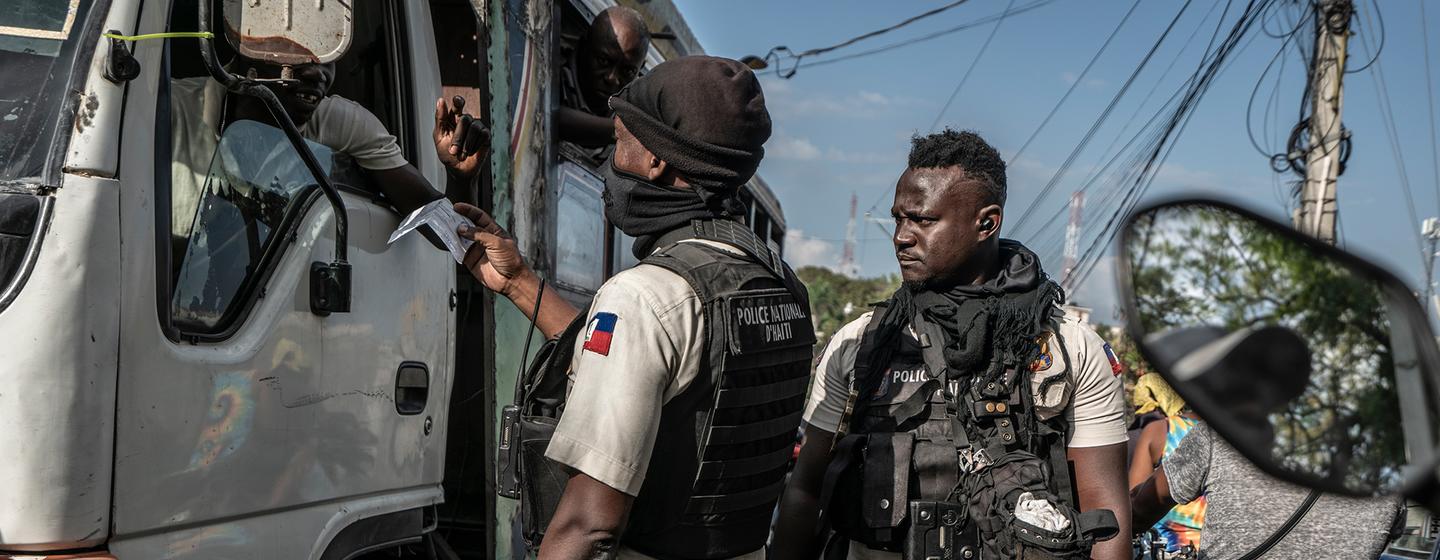
The arrival of a UN-backed force in Haiti is supposed to be the reset button for a nation exhausted by gang violence, political paralysis, and economic freefall. The first troops stepping off planes in Cap-Haitien are walking into a vacuum: the police are outgunned, commerce is throttled, and millions question whether another foreign mission can succeed where past ones failed. Investors, aid groups, and everyday Haitians need fast answers – will this deployment stabilize streets enough to reopen ports, schools, and supply chains, or will it become another slow-motion stumble that cements distrust? This moment is not just about security; it is a stress test for international crisis playbooks and for Haiti’s ability to reclaim agency.
- Early deployments show mixed local reception, split between relief and suspicion.
- Operational success hinges on coordination with Haitian police and community leaders.
- Logistics corridors around ports and highways are the first battlefield for the UN-backed force.
- Past mission scars demand tighter oversight, clear timelines, and real transparency.
UN-backed force in Haiti faces the trust gap
The UN-backed force in Haiti lands with a reputational deficit. Previous multinational missions promised security but left behind bitter memories of slow responses, uneven protections, and catastrophic missteps. This deployment is smaller, faster, and packaged as a focused gang suppression effort rather than a nation-building exercise. Yet the core challenge remains: legitimacy. Local communities want officers who know the streets, not outsiders parachuting in with armored vehicles and generic playbooks. Without trust, even well-trained contingents risk becoming static targets rather than active stabilizers.
The force must earn legitimacy block by block, not by decree. Authority will come from results, not arrival.
Winning that legitimacy requires an approach that prioritizes human intelligence, not just hardware. Integrating Haitian police in joint patrols and giving community leaders direct channels to share risk maps can turn abstract mandates into actionable, hyperlocal plans. The quicker the force demonstrates it can reopen a market street or secure a school route, the faster skepticism turns into cautious cooperation.
Learning from past failures
History is an unforgiving mentor in Haiti. Previous international interventions often overpromised and underdelivered, with slow decision loops and opaque accountability. This time, command structures must be lean, with clear rules of engagement and rapid feedback loops. Transparent reporting on incidents, civilian complaints, and operational metrics – even simple dashboards shared with local media – would signal a break from the closed-door culture that fueled distrust.
Another lesson: outbreaks and misconduct can devastate credibility. Strict health protocols, vetted personnel, and immediate disciplinary processes are non-negotiable. A single scandal could give gangs propaganda fodder and erode community cooperation overnight.
Securing corridors is the first real test
Ports, highways, and fuel depots are Haiti’s economic arteries. Gangs have turned these chokepoints into revenue streams and political leverage. The UN-backed force in Haiti must move fast to secure these corridors, or the deployment risks being dismissed as symbolic. Establishing predictable safe windows for trucks, medical supplies, and food deliveries will immediately impact inflation, hospital capacity, and school attendance.
Logistics meets urban warfare
Unlike rural peacekeeping, this mission is closer to high-stakes urban policing. Units need precision tactics to clear narrow streets without collateral damage. Drones for reconnaissance, secure VHF comms, and mobile command units can provide the agility that past missions lacked. Coordination with port authorities and private logistics firms should be formalized in daily briefings, turning supply chains into a shared priority rather than an afterthought.
Control the corridors, and you buy time for governance; lose them, and the mission bleeds relevance.
Gangs will test the force with hit-and-run tactics. Deterrence requires visible patrols, quick reinforcement capacity, and smart use of non-lethal tools to minimize civilian harm. Every successful convoy that reaches its destination chips away at the perception that gangs are untouchable.
Politics, optics, and the roadmap out
No security mission survives without a political exit strategy. Haitians want clarity: What is the mandate? How long will the force stay? What benchmarks will trigger drawdown? Publishing a phased roadmap – secure corridors, stabilize neighborhoods, hand off to Haitian police, exit – can reduce anxiety about open-ended occupation and keep political actors honest about their own timelines.
Funding and oversight pressures
Financing is a friction point. Donor fatigue is real, and voters in contributing nations are wary of blank checks. Transparent budgets and monthly progress updates are essential. Independent oversight bodies that include Haitian civil society voices can audit the mission, investigate misconduct, and publicly report findings. This dual accountability – to international sponsors and Haitian citizens – is the best hedge against mission creep.
Optics matter as much as outcomes. The force must avoid the image of a fortified enclave disconnected from daily Haitian life. Visible joint patrols, community policing forums, and quick repairs to damaged infrastructure signal partnership, not occupation.
Economic reopening is the ultimate KPI
Stability that does not translate into economic oxygen will not last. The goal is not just fewer shootouts – it is a return to commerce, schooling, and healthcare access. Tracking indicators like port throughput, market prices, school attendance, and clinic operating hours will reveal whether security gains are improving daily life.
Business confidence and risk pricing
For manufacturers and importers, predictability drives investment decisions. If the UN-backed force in Haiti can guarantee recurring safe windows for shipments, insurers may lower risk premiums and banks may loosen credit. Conversely, if gangs still dictate when and where trucks move, capital will stay sidelined. Early wins in logistics security should be amplified to encourage cautious re-entry by local and regional businesses.
Economic reopening is the scoreboard that will decide if the mission is remembered as a pivot or a placeholder.
Pro Tip: Align patrol schedules with supply chain rhythms. Securing night routes for refrigerated goods or critical medical supplies can deliver outsized public health benefits and build goodwill.
Why this matters beyond Haiti
The stakes extend past Port-au-Prince. This deployment is a test case for how international coalitions respond to urban insecurity fueled by organized crime rather than conventional conflict. Success would offer a template for other regions battling gang-driven collapse. Failure would deepen skepticism about multilateral crisis response, especially in the Global South where patience for external interventions is thinning.
Future implications also touch migration policy. If the mission stabilizes conditions, outbound migration pressure could ease, reshaping debates in neighboring countries. Conversely, visible floundering could accelerate departures, stressing regional immigration systems.
The tech and tactics watchlist
Expect experimentation with lighter, more agile gear suited for dense urban terrain. Encrypted LTE mesh networks, compact drones, and rapid forensic kits may feature prominently. Data discipline will be key: collecting incident reports, mapping hotspots, and sharing sanitized intelligence with local partners can increase precision while respecting privacy.
Yet technology is no silver bullet. Human relationships, language fluency, and cultural competence will determine whether those tools translate into safer streets. Training modules that pair tech use with community engagement protocols should be standard, not optional.
What success looks like in six months
By the six-month mark, the mission should aim for visible, verifiable milestones: a reopening of key trade corridors with predictable schedules; a measurable drop in kidnappings along major routes; joint patrols with Haitian police that locals recognize and trust; and a published accountability log of incidents and resolutions. Anything less will fuel narratives that this is another photo-op deployment.
It is also the timeline for political actors to move on governance reforms. Security without credible elections or administrative capacity is a temporary patch. International partners should condition continued support on progress toward institutional rebuilding, not just on tactical wins.
The editorial take
This deployment is a high-wire act. The UN-backed force in Haiti is arriving later than many hoped, but faster than many expected. It must balance speed with sensitivity, force with legitimacy, and visibility with humility. The measure of success is brutally simple: do Haitians feel safer walking to work, sending kids to school, buying fuel, and trusting that tomorrow will not be dictated by a gang checkpoint? If the answer shifts toward yes, the mission earns its keep. If not, it risks becoming another line in a long ledger of broken promises.
For now, the boots are on the ground. The next weeks will determine whether they are merely present or truly effective.
The information provided in this article is for general informational purposes only. While we strive for accuracy, we make no guarantees about the completeness or reliability of the content. Always verify important information through official or multiple sources before making decisions.