US Envoys Push Moscow Peace Deal
US Envoys Push Moscow Peace Deal
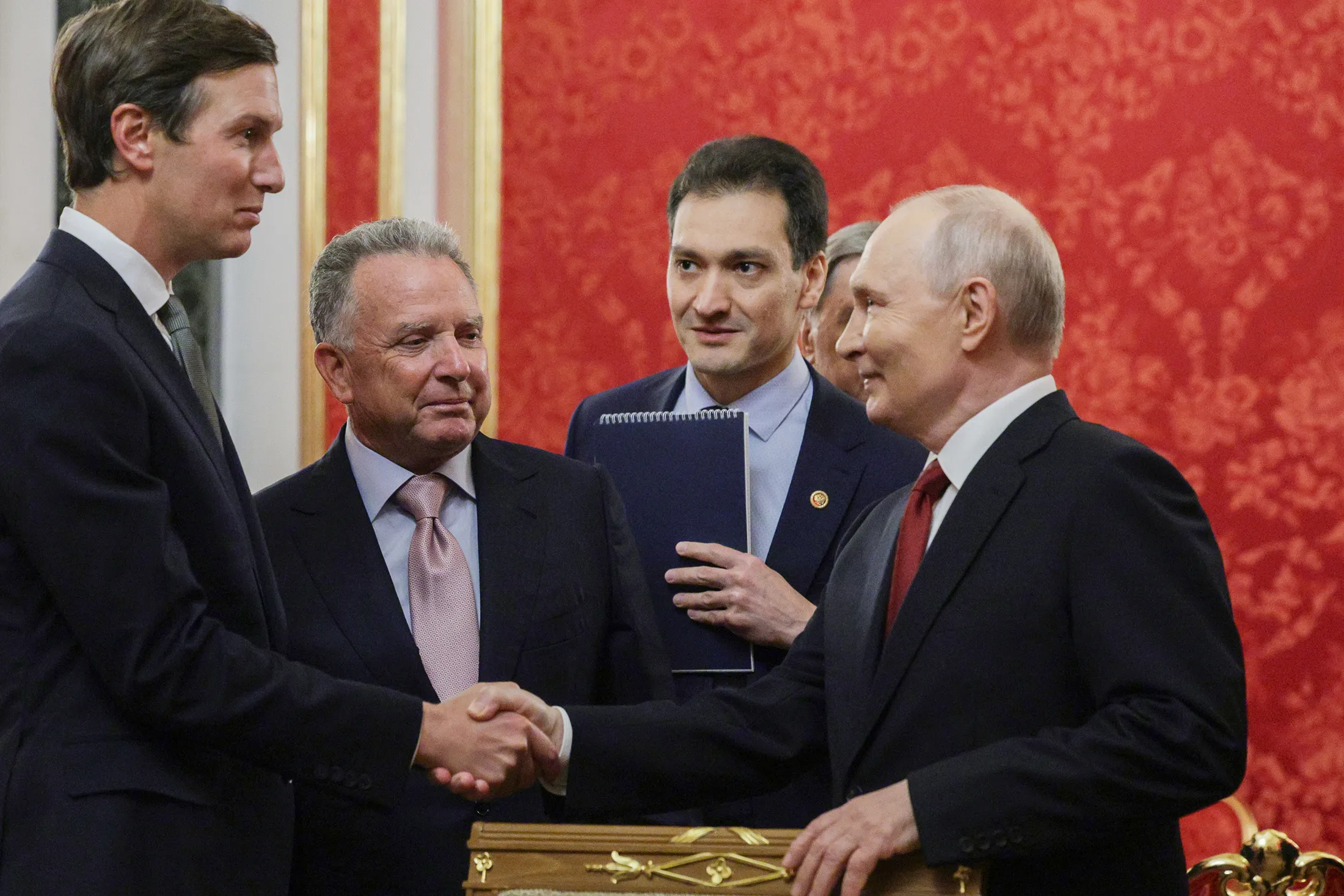
The diplomatic clock is suddenly louder. With US envoys in Moscow for a renewed peace push, Washington is testing whether Russia is prepared to trade battlefield leverage for a negotiated off-ramp – or whether this is another round of talks designed to buy time. For Ukraine, Europe, and global markets, the stakes are not abstract. A bad deal could freeze aggression into a new normal. No deal could extend a grinding war with global consequences for energy, defense spending, food security, and alliance politics. The real question is not whether talks are happening. It is whether the U.S. can turn a Moscow meeting into a credible path toward a durable ceasefire, enforceable security commitments, and a settlement Ukraine can actually live with.
- US envoys in Moscow signal a more direct effort to test Russia’s terms for ending or pausing the war.
- The hardest issues remain
territory,sanctions,security guarantees, and enforcement. - Ukraine’s consent is the legitimacy test for any diplomatic framework negotiated by outside powers.
- A weak agreement could reward coercion, while a strong one could reshape European security for a generation.
US Envoys in Moscow Face the Hard Part of Peace
Peace diplomacy often sounds clean from a podium and brutal in the negotiating room. The arrival of U.S. envoys in Moscow matters because it moves the conversation from public messaging to private bargaining. But that shift does not make peace more likely by itself. It simply clarifies the price each side is willing to name.
Russia wants to preserve gains, weaken Ukraine’s long-term military position, and chip away at the Western coalition that has sustained Kyiv. The United States wants to stop the killing, stabilize Europe, and avoid a settlement that looks like a green light for future invasions. Ukraine wants sovereignty, security, and a future not dictated by a neighbor’s artillery.
Key insight: The problem is not getting diplomats into the same room. The problem is making sure the room does not produce a deal that collapses the moment troops reposition.
That is why any Moscow push should be judged less by atmospherics and more by architecture. Who monitors a ceasefire line? What happens after violations? Are sanctions lifted, suspended, or held as leverage? Does Ukraine receive binding security support, or vague reassurance? These details are not fine print. They are the agreement.
Why the US Envoys in Moscow Moment Matters
This visit comes at a time when diplomatic fatigue is real. Wars of attrition are designed to exhaust not only armies, but also publics, treasuries, and attention spans. Russia has counted on Western division. Ukraine has counted on sustained Western resolve. The U.S. role remains decisive because Washington can coordinate military aid, sanctions policy, intelligence support, and diplomatic pressure at a scale no other actor can match.
That gives the United States leverage, but also risk. If Washington appears too eager for a headline peace deal, Moscow may read that as weakness. If Washington appears unwilling to explore negotiations, it may alienate partners who want a path out of escalation. The balance is delicate: negotiate seriously without negotiating Ukraine away.
The Ukraine Consent Test
No peace framework will be durable if Ukraine is treated as a subject rather than a participant. The phrase nothing about Ukraine without Ukraine is more than diplomatic branding. It is a practical requirement. A deal imposed over Kyiv’s objections would lack domestic legitimacy, create enforcement problems, and fracture the alliance supporting Ukraine.
Ukraine’s leaders must be part of defining red lines around sovereignty, territorial integrity, prisoner exchanges, reconstruction funding, and future military assistance. The U.S. can mediate. It can pressure. It can incentivize. But it cannot manufacture consent where core national survival is at stake.
The Sanctions Trap
Sanctions are one of Washington’s most powerful tools, but they are also one of the easiest to mishandle in negotiations. Lift them too early, and the U.S. gives away leverage before Russia changes behavior. Refuse to discuss them at all, and Moscow has little reason to move.
The smarter structure is conditional relief. That could mean phased easing tied to verified steps: a sustained ceasefire, withdrawal from specified zones, humanitarian access, prisoner releases, and acceptance of international monitoring. The sequencing matters. In diplomacy, timing is leverage.
A Peace Deal Needs Enforcement, Not Vibes
The most dangerous illusion in this moment is that a signed document equals peace. It does not. It equals an opportunity to enforce peace. Without mechanisms, a deal is just a press release with geopolitical consequences.
A credible agreement would need monitoring, verification, and penalties. That means clarity over which actors observe the line of contact, how violations are investigated, and what automatic consequences follow. If the penalty for violating a ceasefire is another meeting, the ceasefire will be tested immediately.
- Monitoring: A neutral or multinational mechanism must track troop movements, artillery fire, drones, and border activity.
- Verification: Claims of compliance need evidence, not competing propaganda narratives.
- Response: Violations should trigger pre-agreed consequences, including renewed
sanctionsor expanded support to Ukraine. - Security: Ukraine needs a credible deterrent against a second invasion after any pause.
The modern battlefield makes enforcement even harder. Drones, electronic warfare, long-range missiles, cyber operations, and irregular forces can blur responsibility. Any agreement that focuses only on tanks and trenches will be outdated before the ink dries.
The Bigger Strategic Stakes
This is not only about ending one war. It is about what rules survive afterward. If Russia can use force, absorb territory, withstand pressure, and then negotiate recognition of gains, the precedent will echo far beyond Europe. Other powers will study the outcome. Smaller states will draw conclusions about the reliability of international law and security partnerships.
At the same time, endless war has costs that cannot be waved away. Ukraine pays the highest price in lives and destruction. Europe faces long-term security burdens. The U.S. must manage military stockpiles, budget fights, and strategic competition in the Indo-Pacific. The case for diplomacy is strong. The case for disciplined diplomacy is stronger.
Editorial view: A peace push is worth pursuing only if it strengthens Ukraine’s security and raises the cost of renewed aggression. A pause that merely lets Russia reload is not peace. It is intermission.
Europe Cannot Be a Spectator
European governments have a direct stake in the outcome and should not be reduced to endorsing whatever emerges from U.S.-Russia engagement. The war has already transformed European defense planning, energy policy, and industrial strategy. A settlement would shape NATO posture, weapons procurement, border security, and reconstruction commitments for years.
If the U.S. leads the talks, Europe still has to help underwrite the outcome. That may include funding Ukraine’s reconstruction, expanding defense production, and maintaining sanctions enforcement. Peace will not be cheap. It will simply be cheaper than a wider war.
What to Watch Next
The immediate signals matter, but the quiet details matter more. Watch whether Moscow frames the talks as recognition of Russian demands or as a reciprocal negotiation. Watch whether Kyiv publicly supports the process or warns against pressure. Watch whether European allies are briefed in real time. Watch markets for energy jitters, and defense stocks for clues about whether investors expect de-escalation or a longer conflict.
Most importantly, watch the language around ceasefire versus peace agreement. A ceasefire can stop shooting without resolving the war’s political causes. A peace agreement must address borders, security, accountability, and future guarantees. Conflating the two is how weak deals get oversold.
Pro Tip for Reading Diplomatic Signals
Ignore adjectives like historic, constructive, or frank unless they are attached to concrete steps. Serious progress usually shows up as process: working groups, verification language, prisoner exchange timetables, sanctions sequencing, and agreed channels for follow-up. If all sides leave with maximalist public statements, the visit may have been more about positioning than settlement.
The Bottom Line on US Envoys in Moscow
The presence of U.S. envoys in Moscow is significant because it suggests Washington sees a possible opening, or at least a need to test one. But the burden of proof is high. Russia must show it is negotiating an end to war, not a better platform from which to continue it. The U.S. must show it can pursue peace without rewarding conquest. Ukraine must remain central, not symbolic.
A durable settlement will require more than diplomatic choreography. It will require enforceable terms, allied unity, military deterrence, and a sober understanding of Russian incentives. The best outcome is not simply a quieter front line. It is a framework that makes renewed aggression harder, costlier, and less likely.
That is the promise and danger of this Moscow push. It could become the first step toward a serious endgame. Or it could become another reminder that peace, when rushed or poorly enforced, can be the most fragile technology in geopolitics.
The information provided in this article is for general informational purposes only. While we strive for accuracy, we make no guarantees about the completeness or reliability of the content. Always verify important information through official or multiple sources before making decisions.