US Iran Ceasefire Talks Aim To Reopen Hormuz
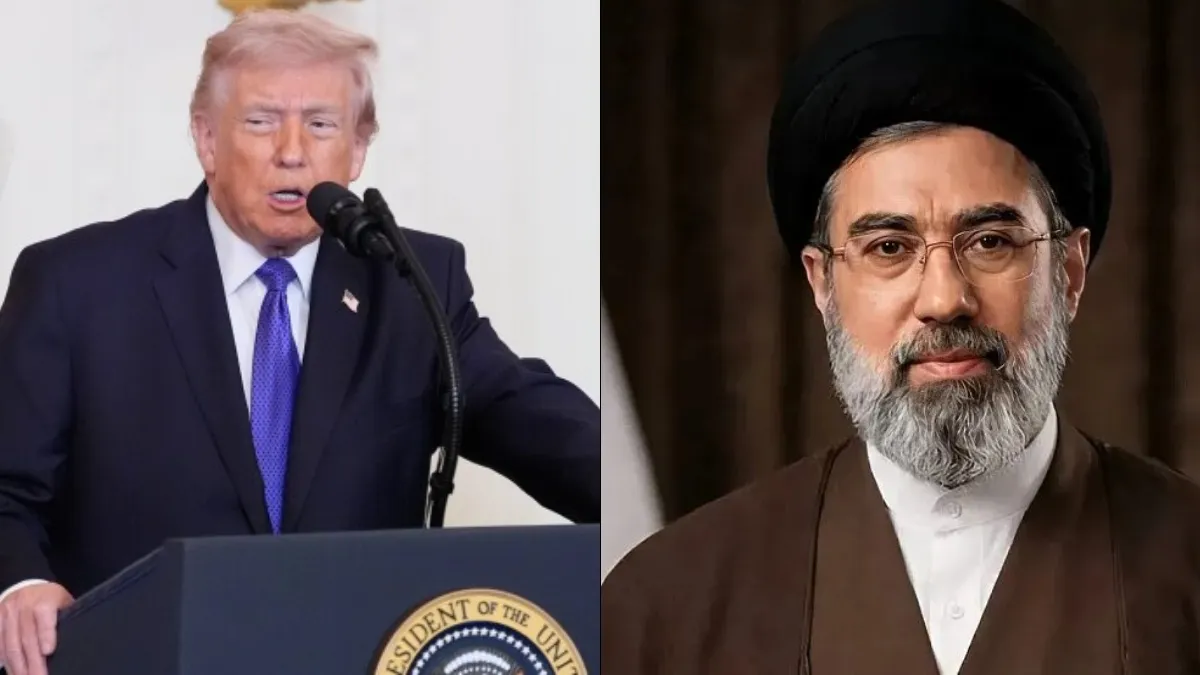
Shipping desks, oil traders, and defense analysts are fixated on a single thread: a rumored US Iran ceasefire deal that could reopen the embattled Strait of Hormuz. The hook is brutal in its simplicity. Either Washington and Tehran find a pause long enough to unfreeze the chokepoint, or the world keeps paying a premium for risk. Investors hate uncertainty, navies hate blind spots, and consumers hate pump shocks. A negotiated reopening would not just calm freight insurers; it would rewrite the tempo of Middle East escalation that has whiplashed markets for months. The question is whether both sides can trade concession for corridor access without igniting yet another round of brinkmanship.
- Rumored talks hinge on trading a ceasefire for restored passage through the
Strait of Hormuz. - Energy markets price in every headline because 20 percent of seaborne crude flows through this corridor.
- Washington wants deterrence; Tehran wants sanctions relief and strategic leverage.
- Regional players like the
Gulf Cooperation Councilweigh logistics, not headlines.
Why the US Iran ceasefire deal suddenly matters
Every shipping executive remembers how quickly day rates spiked when earlier incidents closed off parts of the Hormuz corridor. A credible US Iran ceasefire deal could flip sentiment overnight. The calculus is brutal: even a short closure can reroute tankers around Africa, adding weeks to delivery and millions in fuel costs. That ripples into refinery schedules, inventory levels, and ultimately consumer prices. The current standoff has already nudged war risk premiums higher, pushing smaller carriers out of the lane and concentrating power among operators with military-grade insurance.
Markets are not betting on peace; they are betting on predictability. A ceasefire that reopens
Hormuzbuys time, not trust.
Geopolitically, the corridor is leverage. For Tehran, holding a thumb on Hormuz is insurance against isolation. For Washington, keeping it open is proof of sea control. The rumored deal therefore reads less like détente and more like a temporary trade: access in exchange for a pause in hostilities.
Hormuz as the chokepoint that writes the energy script
What a reopened Strait of Hormuz changes
Roughly a fifth of the world’s seaborne crude and a third of its liquefied natural gas transit this narrow cut between Iran and Oman. When it clogs, alternatives are thin. Pipelines across Saudi Arabia can bypass some volume, but not enough to offset a full closure. Reopening under a ceasefire would restore transit and reduce the daily fear premium embedded in Brent and WTI pricing. Refiners planning autumn maintenance could lock in feedstock instead of hoarding. Even container lines moving electronics, autos, and grain would welcome the stability, because naval escorts and reroutes add costs beyond fuel.
Insurance math and the shadow fleet
Under current tension, underwriters boost war risk premiums and demand real-time vessel tracking. A ceasefire could loosen those requirements, letting smaller carriers reenter the lane. Yet the shadow fleet that skirts sanctions will not vanish. If Tehran wins tacit acceptance of its gray-market exports as part of the bargain, insurers must decide whether to price that risk or keep looking the other way. That dilemma reveals how fragile any ceasefire would be: logistics firms crave clarity, but state actors trade in ambiguity.
The negotiation chessboard
Washington’s interest is straightforward: stop missile launches, protect partners, and signal control of sea lines without escalating to open conflict. Tehran’s wish list is longer. It wants breathing room from sanctions, acknowledgement of its regional influence, and a chance to reposition forces without constant drone surveillance. Meeting in the middle requires verifiable steps. That could include monitored drawdowns, time-bound inspection windows, or third-party patrols along the shipping lane. Each mechanism adds complexity, and complexity is where deals tend to fail.
The ceasefire talks are not about goodwill. They are about tempo management – slowing a cycle of retaliation before it outruns diplomacy.
Regional stakeholders like the United Arab Emirates and Saudi Arabia have pragmatic interests: keep exports flowing and prevent spillover. They may support a monitoring force or shared patrol schema, but only if it avoids provoking Tehran. Meanwhile, Israel calculates whether a pause gives Iran time to regroup. Each vantage point pulls the negotiations in different directions.
Energy markets are pricing the rumor mill
Futures desks live on signals. The mere hint of progress on a US Iran ceasefire deal has shaved volatility off crude curves, but the relief is shallow. Traders know that a single drone incident could snap sentiment back. They also know that shale producers in the United States can ramp output, but not instantly, and logistics constraints remain. If Hormuz reopens, contango could flatten as near-term supply fears ease. If talks collapse, backwardation will sharpen and strategic reserves become talking points again.
Downstream, airlines hedge jet fuel exposure with forward contracts; a reopened corridor lowers their cost base. Chemical makers tied to natural gas liquids also breathe easier. But if the ceasefire includes tacit acceptance of Iranian exports, increased supply could depress prices in the medium term, complicating investment in new US and Gulf production.
Military calculus beneath the diplomatic veneer
Deterrence versus de-escalation
The US Navy’s Fifth Fleet keeps a constant presence near Hormuz. Its deterrence posture relies on visible escorts and rapid response. A ceasefire would test whether deterrence can shift to de-escalation without creating a vacuum. If escorts pull back, Iran’s Revolutionary Guard Corps Navy could resume close approaches to commercial vessels, asserting symbolic control. If escorts stay aggressive, Tehran may view it as bad faith. Balancing visible security with diplomatic restraint is a razor-thin line.
Technology and surveillance
Modern ceasefires are verified with data. Satellite AIS tracking, maritime domain awareness platforms, and drone feeds become the eyes. Any deal will likely include data-sharing protocols or notification windows for naval movements. That creates a cybersecurity angle: who controls the feed, and how is it protected from spoofing or manipulation. A hacked AIS stream could fabricate incidents, undermine trust, and justify retaliation. Thus, digital hygiene becomes as critical as naval posture.
Economic spillover beyond oil
The Strait of Hormuz is not just about crude. It moves refined fuels, petrochemicals, and containerized goods. Electronics makers depend on predictable transit for components sourced from Asia to Europe. A ceasefire that stabilizes schedules allows just-in-time manufacturing to function. Conversely, another disruption would force firms to buffer inventory, tying up capital and raising prices. Insurance costs also bleed into consumer goods, meaning a family buying a refrigerator in Berlin or Boston indirectly pays for tension at Hormuz.
Global inflation is already sensitive to supply shocks. Central banks watching energy input costs will parse every update. A successful corridor reopening could remove an upside risk to inflation forecasts, influencing rate decisions and currency moves. That macro linkage is why finance ministries quietly care about naval negotiations.
Political optics on both sides
For Washington, selling a ceasefire requires framing it as stability, not concession. Domestic critics may argue that any relief for Tehran undermines pressure campaigns. The administration will emphasize protection of allies and economic prudence. For Tehran, domestic audiences are told that resilience forced Washington to the table. State media may present the reopening of Hormuz as a victory, not a compromise. These dueling narratives complicate verification because both sides need to save face while enforcing terms.
Diplomacy in the Gulf is rarely about trust. It is about choreography that lets each side declare a win while conceding enough to keep tankers moving.
Future scenarios and break points
Best case: corridor stability through monitored pauses
In the optimistic scenario, a time-bound ceasefire with third-party monitors keeps Hormuz open long enough for a broader framework. Shipping costs normalize, and war risk premiums fall to manageable levels. Regional actors quietly coordinate, reducing chances of miscalculation. Under this path, markets gradually price out the fear premium, and investment resumes in upstream projects that were on hold.
Middle case: rolling truces and recurring shocks
More likely is a series of short truces punctuated by incidents. Each flare-up briefly spikes freight and fuel prices, but neither side commits to a full confrontation. This pattern keeps volatility baked into logistics planning. Companies would maintain contingency routes and inventory buffers, raising operating expenses and slowing growth.
Worst case: talks collapse and hard power returns
If negotiations fail and provocations escalate, the Hormuz corridor could face sustained disruption. Naval escorts multiply, insurers withdraw, and energy prices surge. Economic pain would be immediate, and political pressure could force bolder military moves. This is the scenario every stakeholder wants to avoid, yet it requires disciplined restraint to prevent.
Why this matters beyond the Gulf
A corridor reopening is not just a regional story. Europe relies on Gulf LNG to balance grids, especially during winter. Asia’s manufacturing giants depend on stable tanker routes to feed their refineries and factories. Even the United States, more energy independent than a decade ago, sees gasoline and diesel prices move with global benchmarks. A sustained closure would reverberate through supply chains, inflation, and election politics worldwide. Conversely, a durable ceasefire could free capital for energy transition projects rather than security premiums.
The rumored US Iran ceasefire deal is therefore a test of whether short-term pragmatism can override long-term mistrust. It is not a grand bargain, but it could be a breathing space. The next weeks will show whether both sides prefer managed stability over brinkmanship, and whether the world’s most valuable waterway can stay open without constant naval drama.
The information provided in this article is for general informational purposes only. While we strive for accuracy, we make no guarantees about the completeness or reliability of the content. Always verify important information through official or multiple sources before making decisions.