US pressure escalates as Hormuz shipping lanes face renewed peril
The Strait of Hormuz security dilemma is back on the front burner, and this time the stakes are elevated by a tight oil market, jittery insurers, and a Pentagon willing to hit Iranian infrastructure harder. For fleet operators and policymakers alike, the question is no longer whether tensions will flare, but how quickly a misstep could choke a third of global seaborne crude. The U.S. is signaling escalatory resolve, Iran is flashing asymmetric tools, and regional navies are scrambling to keep the chokepoint open as 2026 looms with heavier traffic projections and more autonomous vessels in the mix.
- U.S. vows broader strikes on Iranian assets to deter attacks near the Strait of Hormuz.
- Tehran faces a shifting risk calculus as shipping partners tighten convoys and surveillance.
- Insurers and shippers rethink routes, premiums, and AI-driven threat detection.
- Allies push for shared rules on unmanned systems before 2026 traffic growth.
Strait of Hormuz security resets the energy chessboard
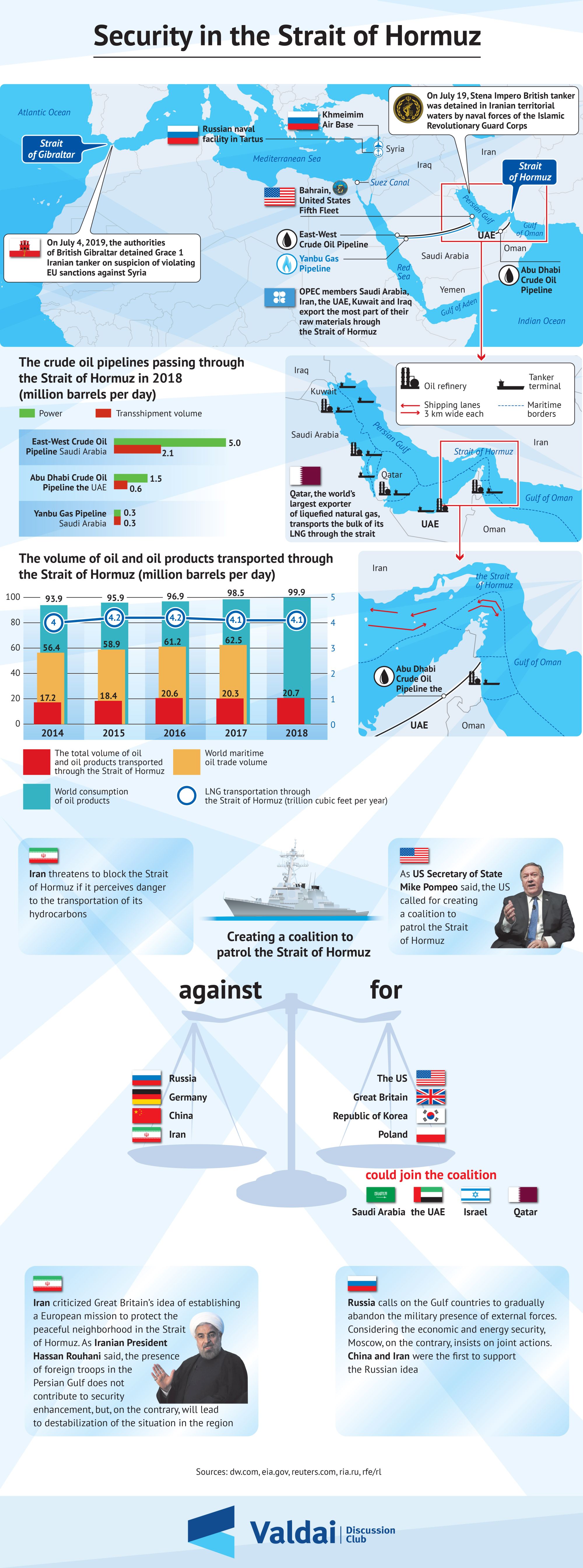
The Strait handles roughly a fifth of globally traded oil and a third of seaborne crude, making any disruption a high-price shock amplifier. After recent attacks on merchant hulls, Washington signaled it is prepared to hit Iranian radar, drone depots, and coastal launch infrastructure, not just proxy assets. That shift raises Tehran’s cost of harassment but risks tit-for-tat escalation in a narrow waterway.
For energy buyers, the headline risk translates to real premiums. Shipowners are already modeling alternative lifts via Saudi pipelines or UAE bypass routes. Yet those lines cannot replace Hormuz volume, meaning the market ultimately depends on deterrence credibility and rapid repair of damaged assets.
Insight: The deterrence question hinges on whether Iran believes infrastructure loss outweighs the leverage gained from signaling it can spike oil prices at will.
Why the chokepoint is harder to secure now
Modern hulls carry more sensors, but attackers have more cheap, precise tools. Low-cost loitering munitions and coastal anti-ship missiles complicate patrol patterns. Meanwhile, AIS spoofing and GPS jamming make it easier to mask approach vectors. The result is a cat-and-mouse dynamic where defenders must protect long shipping lanes while attackers only need a single gap.
The U.S. Navy and partners are leaning on fused data from P-8 patrols, commercial satellite passes, and onboard radar to flag anomalies. Expect expanded use of unmanned surface vessels as pickets, paired with AI models tuned to detect wake signatures from small craft at night.
Deterrence math: infrastructure strikes as signaling
Washington’s message is simple: threaten shipping and key coastal infrastructure becomes targetable. That raises Iran’s potential bill beyond expendable drones or speedboats. By going after radar nodes, comms relays, and storage bunkers, the U.S. aims to degrade Iran’s ability to mass forces for rapid swarming.
Escalation ladders and red lines
Targeting infrastructure risks drawing Iran into direct retaliation, potentially via ballistic missiles or cyber actions on Gulf energy assets. The U.S. calculus: selective strikes create enough pain to deter without pushing Tehran into open conflict. But red lines can be misread. A strike that hits dual-use facilities could be framed as an existential threat, spurring broader retaliation.
Signal to watch: If Iran disperses C2 nodes inland and accelerates mobile launcher drills, expect the U.S. to counter with more ISR and prepositioned interceptors near the strait.
Allied navies and burden sharing
France, the UK, and Gulf partners are expanding patrol rotations, but burden sharing is uneven. Some partners are reluctant to be pulled into U.S.-Iran crossfire; others fear being sidelined if Washington acts unilaterally. A multinational task force with clear rules of engagement can spread coverage, yet political constraints often blunt rapid response.
Practical moves include standardized convoy schedules, shared radar feeds, and combined training for counter-drone intercepts. The closer partners get on interoperable data links, the faster they can close lanes of attack in real time.
Commercial fallout: costs, routes, and insurance
Every threat spike near Hormuz rerates risk models. War-risk premiums climb, charter rates jump, and the cost gets passed down the supply chain. Even without a full blockade, a handful of incidents can price out smaller operators, consolidating market power among major carriers with deeper balance sheets.
Routing calculus and the limits of bypasses
Re-routing via the Cape of Good Hope adds weeks and fuel burn, making it a last resort. Pipeline bypasses through East-West and Abu Dhabi corridors help but lack the capacity to displace Hormuz throughput. LNG shipments are especially exposed, with limited spot flexibility.
Shippers are also testing staggered sailings and tighter convoys to shrink exposure windows. That brings coordination gains but creates predictable patterns adversaries can study. Dynamic routing, randomized timing, and dark-hull transits have tradeoffs: insurers penalize opacity, while regulators scrutinize AIS gaps.
Insurance and the analytics arms race
Underwriters now price not only geography but operator behavior. Companies that share telemetry, harden cyber defenses, and document onboard countermeasures can negotiate better terms. Expect more carriers to integrate machine-learning anomaly detection on bridge systems to flag spoofed coordinates or unusual proximity signatures.
Pro tip: Build a joint incident-response playbook with insurers and flag states. Fast, credible reporting can lower the duration of elevated premiums after an event.
Technology stack: keeping strait lanes open
Hardware alone will not secure Hormuz; the edge belongs to whoever fuses data fastest. Multi-static radar arrays, thermal imaging, and overhead SAR can track small craft, but the bottleneck is classification. AI models trained on real-world wake patterns and doppler shifts outperform generic classifiers, yet they need constant retraining against adversarial tactics.
Unmanned systems and autonomy governance
Allies are rolling out unmanned surface vessels as forward sensors, but autonomy governance is lagging. Clear protocols for loss-of-link scenarios and positive ID are crucial to avoid friendly collisions. By 2026, expect more mixed convoys where autonomous craft scout ahead and crewed ships handle kinetic responses.
Data security is a soft underbelly. If adversaries compromise control links, unmanned assets become liabilities. End-to-end encryption, segmented networks onboard, and frequent key rotations are now table stakes.
Satellite bandwidth and contested spectrum
Bandwidth demands spike when multiple ships stream high-res feeds to shore. Adversaries can jam or spoof satellite links, forcing reliance on line-of-sight comms. Mesh networks between vessels, backed by directional antennas, add resilience. Ships should maintain fallback navigation stacks that blend inertial nav, radar fixes, and visual bearings when GPS degrades.
MainKeyword header: Strait of Hormuz security and policy signaling
Policy is moving as fast as technology. The U.S. vow to hit more Iranian infrastructure is both a deterrent and a negotiation gambit, signaling that harassment will draw a strategic price. Tehran must decide whether short-term leverage over oil prices outweighs long-term degradation of coastal assets.
Regional actors want to keep lanes open without endorsing an escalatory spiral. That tension will shape how far they align with U.S. targeting decisions versus pushing for de-escalation channels. Quiet backchannel talks are likely aimed at setting informal thresholds that keep incidents below a war trigger.
Economic ripple effects
Every threat in Hormuz echoes through inflation metrics. Higher shipping and insurance costs feed into consumer prices. Central banks already grappling with tight monetary policy have little room to absorb an energy spike. That makes supply security a macroeconomic priority, not just a naval one.
Energy transition advocates may view instability as a catalyst for diversifying away from oil, but in the near term, volatility could slow investment as capital waits for clarity. Shipping firms that can document resilience – from hardened hulls to cyber posture – will win contracts from risk-averse buyers.
Scenario planning: what 2026 could look like
Traffic through Hormuz is projected to rise as new fields come online and LNG demand stays high. Add more autonomous vessels, and the complexity spikes. Three plausible scenarios emerge:
- Managed deterrence: Limited incidents, rapid multinational responses, risk premiums elevated but stable.
- Rolling harassment: Periodic drone or mine attacks keep costs high and insurance volatile, nudging some cargoes to bypass routes.
- Acute crisis: A high-casualty incident triggers sustained strikes on Iranian infrastructure, with global price shocks and prolonged rerouting.
Operators should pre-bake playbooks for each scenario, including crew training, reroute triggers, and comms protocols with insurers and charterers.
Future watch: If allied navies codify autonomous convoy rules, expect a measurable drop in attack windows – and a corresponding shift by adversaries to cyber vectors.
Action list for shippers and policymakers
To navigate the next 24 months, pair tactical moves with strategic bets:
- Harden vessels with layered sensors and cyber segmentation; test
GPS-deniedoperations monthly. - Negotiate insurance using verifiable telemetry sharing and incident drills as leverage.
- Engage in task force forums to shape
rules of engagementfor unmanned escorts. - Model reroute costs with live fuel and charter data; set thresholds that trigger convoy participation.
- Support diplomatic tracks that define off-ramps before the next miscalculation.
The Strait of Hormuz security challenge is no longer a niche naval concern. It is a frontline variable for energy markets, inflation paths, and geopolitical leverage. Washington’s readiness to strike deeper into Iranian infrastructure will either reset deterrence or light a fuse. Smart operators and policymakers are treating this as a systems problem: align technology, insurance, diplomacy, and doctrine now, before the chokepoint becomes a chokehold.
The information provided in this article is for general informational purposes only. While we strive for accuracy, we make no guarantees about the completeness or reliability of the content. Always verify important information through official or multiple sources before making decisions.