USS Abraham Lincoln Signals a Harder Navy Line

Introduction
The USS Abraham Lincoln is more than a ship name in a headline. It is a floating stress test for American deterrence, a signal flare aimed squarely at Tehran, and a reminder that naval power still does a lot of quiet work before any missiles fly. As tensions with Iran climb, the carrier’s movements and posture reveal how fast maritime operations can become geopolitical messaging. For Washington, the challenge is not just showing strength. It is showing strength without stumbling into a crisis it cannot control. For everyone else watching, the message is blunt: the U.S. Navy is trying to make uncertainty feel expensive.
- The
USS Abraham Lincolnis being used as a visible tool of deterrence. - Carrier deployments are as much about signaling as they are about combat power.
- The Iran-Navy dynamic is shaped by escalation risk, not just firepower.
- Readiness, logistics, and rules of engagement matter as much as headlines.
- This standoff could shape how the U.S. projects power in the region next.
Why the USS Abraham Lincoln matters now
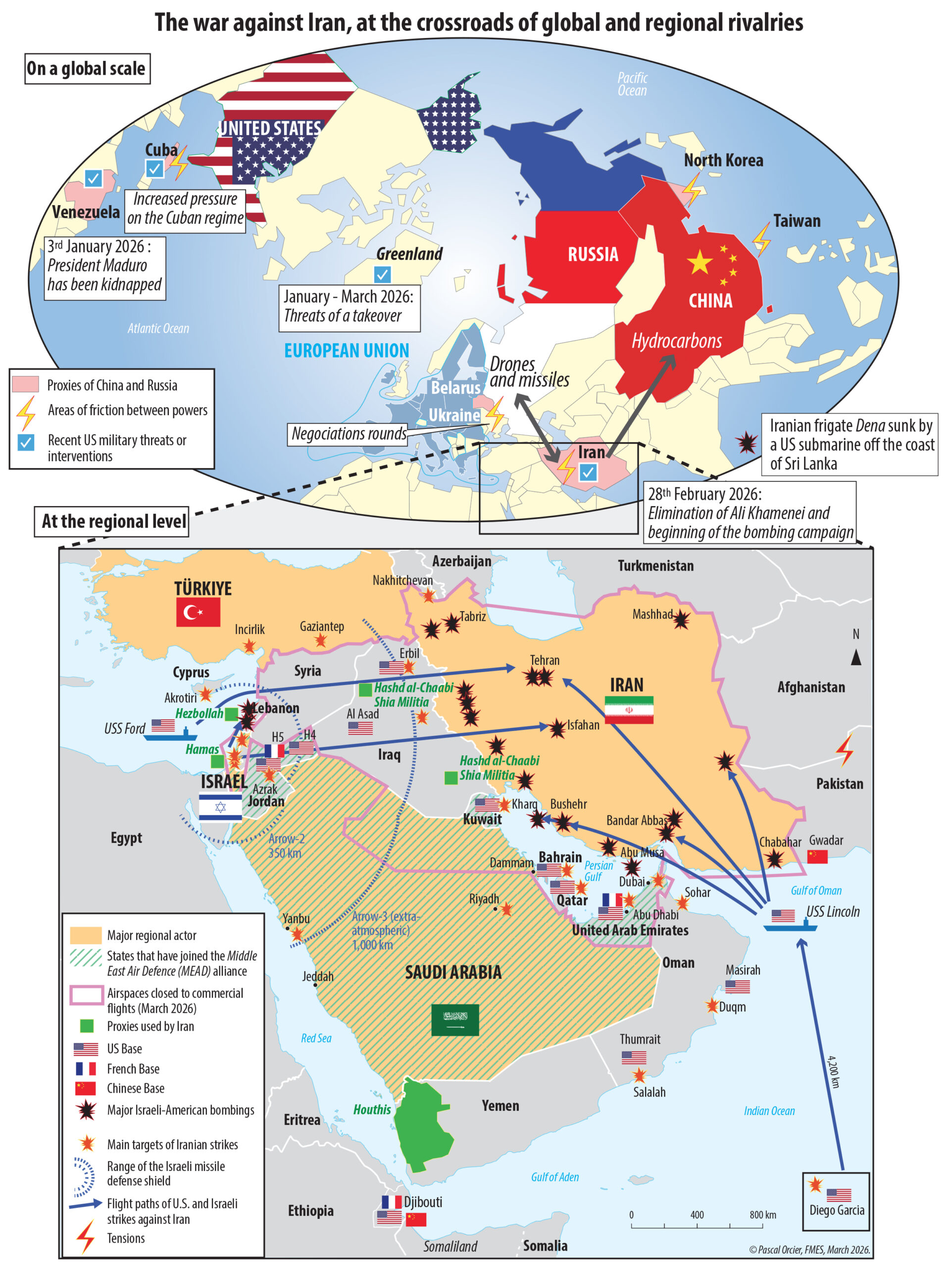
The presence of a U.S. carrier strike group in a sensitive theater is never casual. It is a decision that blends military planning, diplomacy, and pressure politics into one move. In this case, the USS Abraham Lincoln sits at the center of a familiar but dangerous formula: keep Iran guessing, reassure allies, and avoid looking passive. That is a hard balance to strike. If the U.S. looks too soft, deterrence erodes. If it looks too aggressive, a misread signal can trigger retaliation, especially in a region where proxies, drones, and maritime harassment are already part of the playbook.
Carrier groups remain one of Washington’s clearest instruments of power projection because they are visible, flexible, and expensive to ignore. But they are also vulnerable to modern threats. Anti-ship missiles, drones, electronic warfare, and swarm tactics have made the Persian Gulf and surrounding waters far more complicated than the carrier-centered doctrines of the past. The USS Abraham Lincoln is not operating in a vacuum. It is operating in a contested information environment where every maneuver can be interpreted as warning, bluff, or preparation for something larger.
Carriers are not just weapons platforms. They are diplomatic messages with reactors.
Deterrence in the age of constant signaling
What makes this moment more volatile is that both sides understand the theater. Iran knows how to read U.S. force posture, and U.S. commanders know that Tehran often treats visible deployments as inputs for asymmetric response. That creates a strategic loop: each side tries to make the other side believe escalation is possible without actually crossing the line. The result is not peace, exactly, but a managed fear of what comes next.
For the Navy, that means every detail matters. The location of the carrier, the tempo of flight operations, the accompanying destroyers, and the communications tone from U.S. officials all shape the message. A single carrier strike group can be interpreted as a defensive shield, an offensive spear, or both at once. That ambiguity is intentional. Deterrence depends on convincing an adversary that the cost of surprise would be severe. But ambiguity also invites miscalculation, especially when decision cycles are compressed and regional actors are already on edge.
What the carrier posture is really saying
The Navy is likely trying to send three messages at the same time. First, the U.S. can surge power quickly. Second, it has the infrastructure to sustain operations if needed. Third, any attack on American assets or partners would not be met with hesitation. That is classic deterrence logic, but today it operates under modern constraints. Satellite tracking, open-source intelligence, and social media updates mean the optics of deployment can spread faster than official explanations.
That is why carrier moves are now both military and media events. Once a ship like the USS Abraham Lincoln is publicly associated with a tense region, the deployment becomes part of the story itself. The Navy is not only managing adversaries. It is managing public perception, allied confidence, and the expectations of a domestic audience that has learned to read military motion as policy intent.
The Iran-Navy equation is about risk management
The U.S.-Iran maritime relationship has long been defined by brinkmanship. Tanker seizures, drone incidents, and close encounters at sea are not side stories. They are the mechanism through which each side tests the other. The Navy’s job is to remain credible without becoming reckless. That is harder than it sounds, because naval operations are designed for freedom of maneuver, while crisis management demands restraint.
At the operational level, the USS Abraham Lincoln likely relies on layered defenses, including escorts, airborne surveillance, electronic protection, and robust command-and-control. But the bigger issue is strategic: can Washington use visible force to prevent escalation while avoiding the conditions that make escalation more likely? This is where naval power becomes a political instrument. A carrier can reassure Gulf partners and dissuade direct attacks, but it can also harden Iranian narratives about encirclement and hostility.
Deterrence works best when nobody feels cornered. That is exactly what makes it so fragile.
Why misreading the signal is the real threat
Modern crises do not always spiral because leaders want war. They spiral because they overestimate control. An intercept, a warning shot, or a defensive maneuver can be interpreted as preparation for a larger strike. Add drones, cyber operations, and proxy forces into the mix, and the odds of accidental escalation rise fast. The most dangerous part of the USS Abraham Lincoln story may not be the carrier itself, but the broader ecosystem around it: regional militias, allied militaries, and state actors all operating with incomplete information.
This is also where the U.S. faces a credibility trap. If it stages a high-profile deployment and then backs down too visibly, adversaries may conclude that Washington’s threats are mostly for show. But if it doubles down every time, it risks normalizing a semi-permanent crisis posture. That kind of standing tension is expensive, operationally draining, and politically corrosive.
The Navy’s strength is also its burden
The American carrier model still works because it combines reach, endurance, and symbolism in one package. Yet it comes with a heavy burden: carriers are too important to lose, too expensive to squander, and too visible to hide. In a region like the Middle East, where geography compresses timelines and every adversary has studied U.S. habits for decades, this creates a paradox. The more powerful the ship, the more carefully it must be used.
That is why the USS Abraham Lincoln should be read as a strategic asset and a political liability at the same time. It gives policymakers options. It also narrows those options by raising the stakes of any move. If diplomacy fails, the carrier becomes part of the escalation ladder. If diplomacy succeeds, it becomes a reminder that force was the backdrop all along. Either way, the Navy is carrying more than aircraft. It is carrying the credibility of U.S. commitments across a region that watches every signal.
Pro tips for reading deployments like this one
- Watch for accompanying
destroyersandsupport ships, not just the carrier headline. - Track official language closely. Words like
defensive,routine, andpersistent presenceoften signal intent. - Pay attention to regional reactions from allies and proxies, since they often reveal how the deployment is being interpreted.
- Look for follow-on logistics moves. Sustained posture matters more than a single photo-op transit.
What this means for U.S. strategy next
The larger lesson from the USS Abraham Lincoln deployment is that U.S. strategy in the Middle East is still built on a familiar contradiction: America wants to reduce risk by showing power. That can work, but only if the signaling is disciplined and the objectives are narrow. Open-ended military theater does not create stability. It creates expectations. And expectations are how crises become commitments.
Going forward, the Navy and the Pentagon will likely keep leaning on flexible deployments because they are the fastest way to shape adversary behavior without crossing the threshold into direct conflict. But that approach only works if backed by diplomacy, intelligence, and realistic escalation control. If not, the carrier becomes a very expensive placeholder for a policy debate Washington has postponed for years.
For readers, the key takeaway is simple: the USS Abraham Lincoln is not just sailing through tense waters. It is carrying a message about how the U.S. wants conflict to look before it becomes one. That message may hold for now. But the longer the region remains volatile, the harder it gets to keep deterrence crisp, credible, and below the level of actual war.
Main keyword: USS Abraham Lincoln
The information provided in this article is for general informational purposes only. While we strive for accuracy, we make no guarantees about the completeness or reliability of the content. Always verify important information through official or multiple sources before making decisions.