Congo Rushes 70000 Ebola Doses
Congo Rushes 70000 Ebola Doses
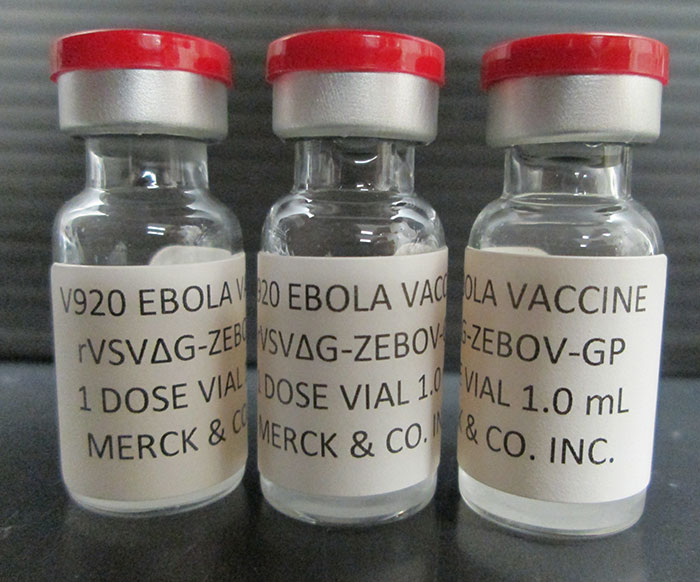
DR Congo is once again facing the brutal arithmetic of outbreak control: move fast, or watch a localized health emergency become a regional crisis. With Ebola infections surging and 70000 doses of the Ervebo vaccine on the way, the country is leaning on the same playbook that has saved lives before, but never under easy conditions. The stakes are higher than the headline suggests. Every hour matters when a virus can spread through health facilities, remote communities, and strained supply chains at the same time. The real question is not whether the vaccine works. It does. The question is whether the health system can get it to the right people quickly enough, in the right sequence, while surveillance teams identify contacts and isolate cases before the window closes.
- DR Congo is deploying
Erveboas Ebola cases rise. - The challenge is not just vaccine supply, but rapid delivery, tracing, and trust.
- Outbreak response depends on logistics, cold chain readiness, and community engagement.
- The situation highlights how fragile epidemic containment can be when systems are already stretched.
- Vaccines help most when they arrive early, targeted, and backed by public health coordination.
Why the Ervebo vaccine matters now
Ervebo is not a symbolic shipment. It is one of the few tools that can blunt Ebola transmission when used in a ring vaccination strategy, targeting contacts of confirmed cases and the contacts of those contacts. That matters because Ebola is not a disease you outmuscle with volume alone. You interrupt it with precision.
The timing is the story. When infections surge, public health teams lose margin for error. Cases can move from remote villages to treatment centers, from caregivers to families, and from rumor to panic faster than administrators can sign forms or trucks can clear roads. In that environment, 70000 doses is not a cure-all. It is fuel for a response that still depends on surveillance, testing, isolation, and trust.
“A vaccine shipment only changes the outcome if the health system can translate inventory into coverage fast enough to outrun transmission.”
How Ebola outbreaks get ahead of responders
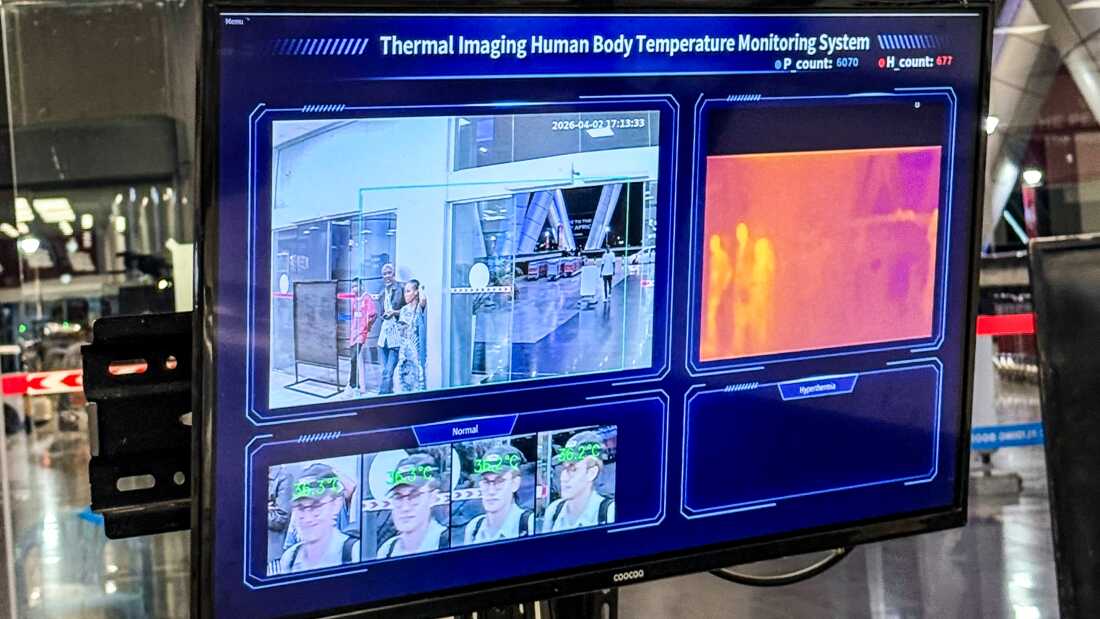
Ebola exposes every weak seam in a public health system. The first is detection. If cases are confirmed late, the virus has already had time to spread through families and clinics. The second is logistics. Vaccines that sit in central storage do nothing for a village that needs them today. The third is human behavior. Communities that fear hospitals, mistrust officials, or lack clear information can become harder to reach at the exact moment they need support most.
This is why Ebola response often looks more like emergency operations than routine healthcare. Teams need testing kits, protective equipment, transport, and data systems that can track exposure chains in near real time. The vaccine is essential, but it is only one part of a larger containment machine.
What the 70000-dose shipment can realistically do
The shipment can help create a protective buffer around active cases and known exposure networks. That is where the highest return is. It can also restore confidence among frontline workers who may be the first to encounter suspected infections. But it will not end an outbreak on its own if transmission is already widespread across multiple locations.
Health authorities typically prioritize the most immediate risk rings first. That means the main operational challenge is sequencing. Who gets vaccinated today? Which teams move next? Which communities need monitoring rather than vaccination? The answers depend on rapid case investigation, contact tracing, and an ability to change plans daily, sometimes hourly.
Why logistics is the real battlefield in Ervebo rollout
People tend to think of vaccines as a biomedical story. Outbreaks like this remind us they are also a supply-chain story. Even a highly effective vaccine can be undercut by weak transport, poor coordination, and cold chain failures. In an Ebola response, the margins are thin: temperature control, security, field staffing, and transport reliability all shape whether the shot reaches the arm in time.
That is especially true in a country as geographically complex as DR Congo, where roads can be difficult, distances are large, and some communities are far from health infrastructure. A delayed convoy or a broken cold chain can mean the difference between containment and escalation. The vaccine dose is necessary. The delivery system is what makes it matter.
- Cold chain integrity keeps doses viable during transport and storage.
- Contact tracing determines where the vaccine should go first.
- Community engagement reduces fear and improves uptake.
- Frontline protection helps keep hospitals and clinics functioning.
The bigger public health lesson
Every Ebola flare-up is a reminder that outbreak readiness cannot be rebuilt from scratch during the crisis. By the time cases are climbing, the essential work should already be in place: lab capacity, field surveillance, emergency procurement, and trained responders who know how to move without confusion.
That is the uncomfortable truth behind the headlines. Vaccine stocks help, but preparedness is the real insurance policy. Countries that repeatedly face Ebola are often forced to operate in a cycle of reaction, with attention and funding surging only after cases appear. That model is expensive, exhausting, and too slow for a virus that rewards hesitation.
“The best Ebola response is invisible until it is needed: trained teams, tested systems, and enough public trust to make emergency action possible.”
Why this matters beyond DR Congo
The implications stretch beyond one outbreak. Health agencies around the world are watching because the same vulnerabilities show up elsewhere: weak rural healthcare access, hard-to-track transmission chains, and supply systems that buckle under pressure. If DR Congo can rapidly deploy Ervebo and suppress spread, it reinforces a model for future outbreak response. If it cannot, the lesson will be harsher: even effective vaccines can be outrun by operational breakdown.
That is why the shipment matters to global health, not just local response. Ebola is rare compared with respiratory pandemics, but it is unforgiving in exactly the ways that test the modern public health stack. A good response requires speed, coordination, and credibility. Miss any one of those, and the virus gains ground.
What to watch next
The next phase will reveal whether the 70000 doses are enough to buy control, or merely enough to slow the fire. Watch for the pace of vaccination, the number of new case investigations, and whether health teams can maintain community cooperation. Also watch whether treatment centers remain accessible and whether frontline workers are being protected well enough to keep services open.
In outbreak response, numbers can look reassuring before they become meaningful. A shipment count is not the same as coverage. Coverage is not the same as containment. And containment is not the same as victory. Still, when the virus is moving and every delay compounds the danger, an actionable vaccine supply is a serious advantage.
For DR Congo, the next few days and weeks will test whether the system can convert urgency into control. That is where Ervebo stops being a headline and becomes a lifeline.
The information provided in this article is for general informational purposes only. While we strive for accuracy, we make no guarantees about the completeness or reliability of the content. Always verify important information through official or multiple sources before making decisions.