Venezuela Earthquakes Expose A Fragile Health Emergency
Venezuela Earthquakes Expose A Fragile Health Emergency
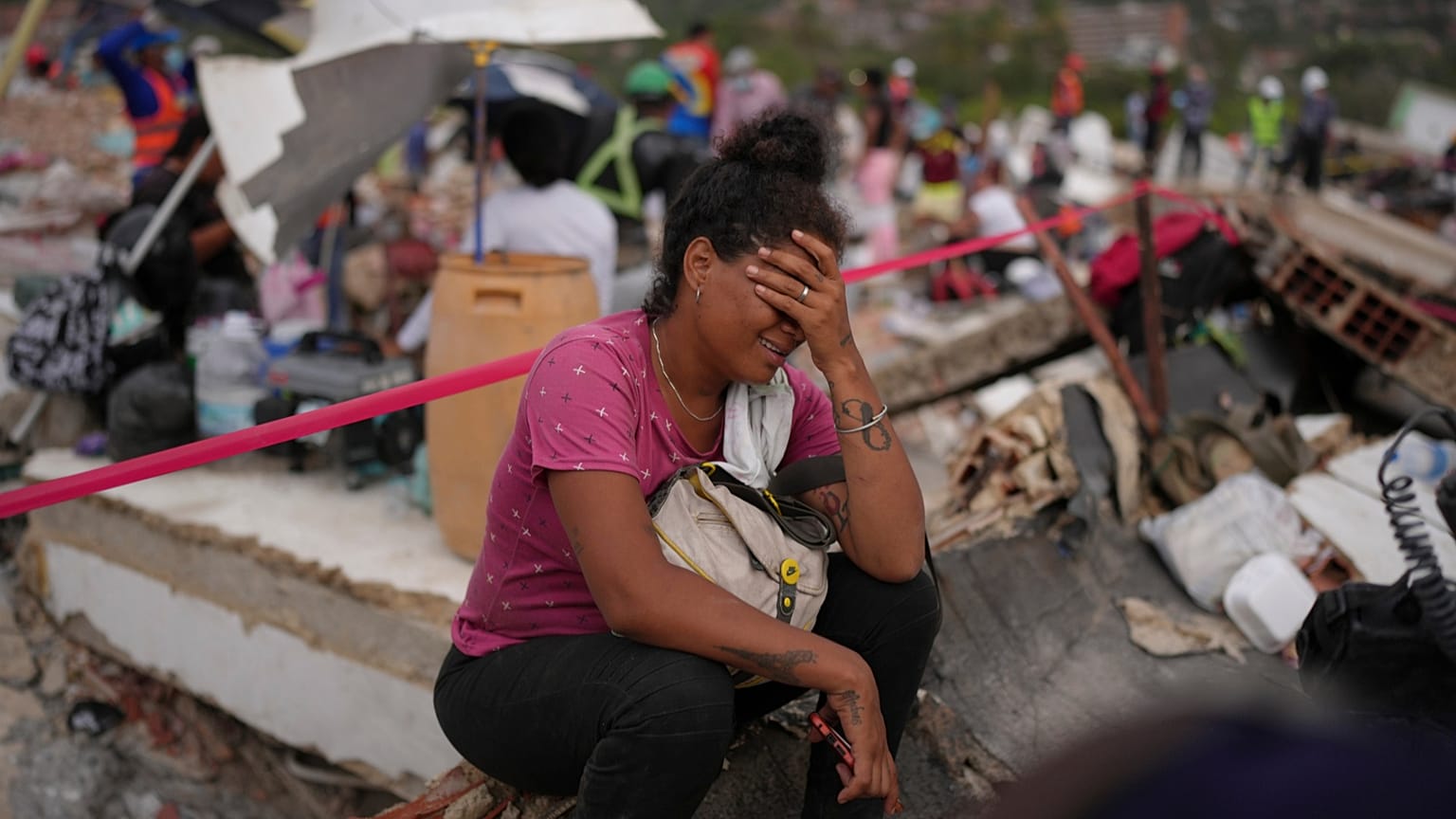
Venezuela’s earthquake damage is already bad news. The real problem is what comes next: broken clinics, stressed-out responders, and a public health system that was never built to absorb a second shock. When aid workers start calling a disaster zone a “war zone,” it is usually a sign that the crisis has moved beyond cracked walls and fallen ceilings. It now threatens the basics of survival – clean water, sanitation, emergency care, and disease prevention. That is what makes the Venezuela earthquake health crisis so dangerous. The tremors may be over, but the public-health fallout can last for weeks or months, especially where electricity, transport, and medical supplies are already scarce.
- Aid teams fear the earthquake damage will trigger a broader public health emergency.
- Weak hospitals and supply shortages make routine treatment harder just when people need it most.
- Water, sanitation, and infection control are now as urgent as search and rescue.
- The biggest risk is not only trauma injuries, but secondary outbreaks and untreated chronic illness.
Why the Venezuela earthquake health crisis is bigger than the shaking
Natural disasters rarely end when the ground stops moving. In a place with resilient infrastructure, the response phase begins quickly: ambulances move, hospitals absorb the injured, and public agencies distribute supplies. But the Venezuela earthquake health crisis is unfolding in a setting where those systems are already under strain. That changes everything.
Earthquakes injure people immediately, but the hidden danger comes afterward. Damaged roads delay care. Power cuts interfere with refrigeration for medicines and vaccines. Water systems can fail, forcing families to rely on unsafe sources. And when health workers are already stretched thin, even a modest rise in patients can overwhelm clinics.
“The most serious disaster is often the one that arrives after the headlines fade: infection, dehydration, untreated wounds, and the collapse of basic care.”
That is why aid groups tend to think in layers. First comes rescue. Then comes stabilization. Then comes the longer, harder work of preventing a second disaster from taking root.
What aid workers are actually worried about
The phrase “health crisis” can sound broad, but on the ground it is very specific. Aid workers are usually watching for a small set of failure points that can cascade fast.
Hospitals operating below capacity
If facilities are damaged, patients may be diverted to other centers that were already full before the quake. Even when buildings are intact, staffing and supplies may not be. A shortage of gloves, antiseptics, IV fluids, antibiotics, and oxygen can turn treatable injuries into long-term complications.
Water and sanitation breakdowns
Earthquakes can rupture pipes, contaminate reservoirs, and disrupt waste disposal. That creates the perfect environment for diarrheal disease, skin infections, and other preventable illnesses. For displaced families, especially those in temporary shelters, sanitation is not a side issue. It is frontline medicine.
Interruptions to chronic care
Disaster coverage often focuses on trauma, but the deadliest impact may hit people with diabetes, hypertension, asthma, kidney disease, or HIV. Missed doses, inaccessible clinics, and lost prescriptions quickly become medical emergencies. In a fragile health system, continuity of care is not a luxury. It is survival.
How disaster response breaks down in fragile systems
A disaster response is only as strong as the weakest link. In places where institutions are already weakened, each link can snap at once. Logistics may fail because fuel is scarce. Communications can fail because telecom networks are down. Procurement can fail because suppliers cannot deliver. And public trust can fail because people no longer believe help will arrive.
That creates a grim feedback loop. If local residents think clinics are unsafe or empty, they delay care. If they delay care, their conditions worsen. If conditions worsen, emergency departments fill up with more complex cases. The result is a system that becomes less responsive right when demand spikes.
Pro tip: disaster planners often talk about “surge capacity,” but the real test is whether a health system can keep functioning when its normal operating assumptions are gone. Can it keep cold chains intact? Can it triage fairly? Can it move supplies without reliable roads? Those are the questions that matter.
Why the Venezuela earthquake health crisis matters now
This story matters because earthquakes do not respect political narratives, and they do not wait for economic recovery. They expose what was already there. In Venezuela, the quake is acting like a stress test for health infrastructure, governance, and humanitarian access all at once.
That makes the response more than a short-term relief effort. It becomes a referendum on whether the country can protect its most vulnerable people when the system is already compromised. If aid teams cannot safely reach communities, the gap between need and care widens. If hospitals cannot stay stocked, deaths rise quietly, one untreated case at a time.
And there is another reason this matters: epidemics do not need much room to start. A damaged water network or crowded shelter can turn a localized emergency into a broader public health problem. Once that happens, the cost and complexity of response rise sharply.
The public health threats most likely to follow
After an earthquake, health officials typically watch for a familiar pattern of secondary threats. Some are immediate. Others take time to surface.
- Wound infections: Cuts, fractures, and crush injuries can become dangerous without sterile treatment.
- Respiratory illness: Crowded shelters and dust exposure can worsen asthma and spread infections.
- Waterborne disease: Unsafe water can trigger gastrointestinal outbreaks fast.
- Maternal and child health gaps: Pregnant people and infants face outsized risk when clinics are disrupted.
- Medication interruptions: Patients with chronic diseases may go without essential treatment.
None of these outcomes requires a dramatic collapse to become real. They only require enough friction – a delayed delivery here, a power outage there, a clinic that cannot open for two days. That is how slow-moving health disasters are built.
The aid response needs to be fast and boring
There is a temptation after disasters to chase the dramatic image: helicopters, heavy equipment, and heroic rescues. But public health response is often more mundane, and much more important. The best interventions are usually the least glamorous.
They include clean water distribution, temporary sanitation, triage tents, supply chain restoration, mobile clinics, and the rapid repair of electrical systems. If the goal is to prevent the Venezuela earthquake health crisis from deepening, the priority is not spectacle. It is stability.
“The most effective aid after an earthquake is often infrastructure work disguised as medicine.”
That means making sure a freezer stays cold, a generator has fuel, a road remains passable, and a nurse has the medicines she needs to keep working. It also means coordinating with local officials and community leaders, because trust moves faster than paperwork.
What to watch next
The next phase will tell the real story. Watch whether temporary health posts are actually reaching displaced residents. Watch whether water systems are restored quickly enough to prevent disease. Watch whether chronic-care patients can refill prescriptions without interruption. And watch whether the response shifts from emergency footing to a more durable recovery plan.
If the situation stabilizes, the quake will be remembered as a serious but contained disaster. If it does not, the country could be looking at a prolonged public health emergency layered on top of existing vulnerability. That is the part of disaster reporting that often gets missed: the initial event may be the headline, but the system failure is the story.
For Venezuela, the stakes are now brutally clear. The earthquake did not just damage buildings. It revealed how thin the line can be between disruption and collapse when health systems are already carrying too much weight.
The information provided in this article is for general informational purposes only. While we strive for accuracy, we make no guarantees about the completeness or reliability of the content. Always verify important information through official or multiple sources before making decisions.