Flying Fox Starvation Hits Australia
Flying Fox Starvation Hits Australia
A silent wildlife emergency is unfolding across south-eastern Australia, and it is not happening in some remote wilderness beyond human concern. Flying fox starvation in New South Wales and Victoria is pushing thousands of native bats toward collapse as flowering trees fail to provide enough nectar and fruit. For communities, rescuers, and ecologists, the crisis is more than a distressing spectacle of weakened animals dropping from trees. It is a warning signal from one of Australia’s most important pollinators. When flying foxes go hungry, forests lose seed dispersers, ecosystems lose resilience, and cities inherit a public-facing biodiversity problem they are often poorly prepared to manage.
- Flying foxes in NSW and Victoria are facing severe food shortages linked to reduced flowering and habitat pressure.
- The crisis affects key pollinators that help regenerate native forests over long distances.
- Wildlife carers are under strain as starvation events create complex rescue and welfare challenges.
- Climate disruption, land clearing, and fragmented habitat are turning food shortages into recurring emergencies.
Flying Fox Starvation Is a Biodiversity Alarm
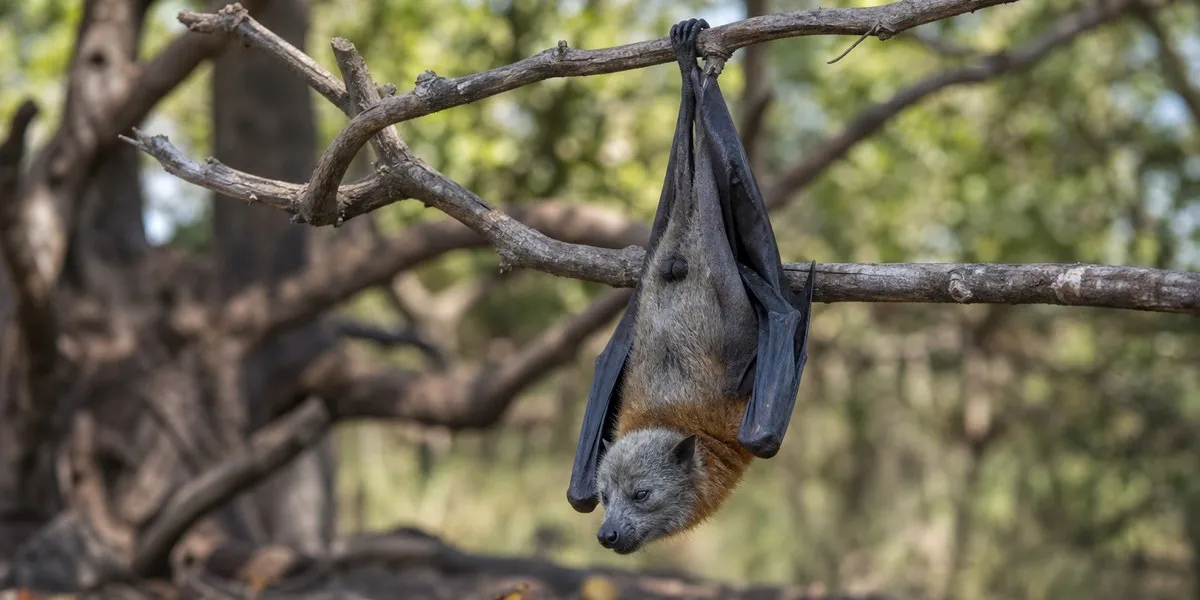
Flying foxes are easy to misunderstand. They are noisy, social, highly visible, and often live close to people. But ecologically, they are heavy-lifting infrastructure. Species such as grey-headed flying foxes travel long distances at night, feeding on nectar, pollen, and fruit while moving genetic material across fragmented landscapes. That makes them vital to the health of native forests.
The current food shortage in NSW and Victoria appears to be hitting animals at scale. In starvation events, flying foxes can become weak, grounded, disoriented, and more visible in urban spaces. Young animals are particularly vulnerable because they lack the fat reserves and foraging experience to survive prolonged scarcity. Adults, meanwhile, may travel farther and burn more energy looking for food that simply is not there.
Key insight: a starving flying fox is not just an animal welfare issue. It is a symptom of a food web under stress.
This is why the crisis matters beyond conservation circles. When a mobile pollinator declines, the damage can echo through forests for years. Fewer bats can mean less pollination, less seed dispersal, and weaker regeneration after fire, drought, and land clearing.
Why NSW and Victoria Are Exposed
South-eastern Australia sits at the collision point of several pressures: urban expansion, forest fragmentation, extreme weather, and climate-driven shifts in flowering cycles. Flying foxes are adapted to move in response to food availability, but that strategy depends on a landscape with enough connected feeding habitat. As native vegetation is cleared or degraded, the safety net thins.
Food shortages often occur when key eucalyptus and other nectar-producing trees fail to flower at the right time or at sufficient scale. Weather volatility can worsen that pattern. Heat, drought, storms, and seasonal disruption can all affect flowering. If multiple regions underperform at once, flying foxes have fewer fallback options.
Habitat fragmentation turns hunger into crisis
A single poor flowering season does not automatically create mass starvation. The danger escalates when animals cannot find alternative food within viable flying range. Fragmented habitat forces longer journeys, increases energy costs, and can drive flying foxes into towns, orchards, backyards, and roadsides where conflict and injury risks rise.
For wildlife carers, this creates a brutal operational problem. Starving animals may arrive in waves, but rescue groups often rely on volunteers, donations, and limited rehabilitation facilities. Caring for flying foxes also requires specialist training because they can carry viruses and must be handled safely. That means the public should never attempt direct handling without expert guidance.
Urban camps become flashpoints
Flying fox camps in cities and regional towns are often controversial. Residents may complain about noise, smell, droppings, or fear of disease. During starvation events, those tensions can intensify as distressed animals become more visible. But dispersing camps without addressing food scarcity can make matters worse. It may force already weakened bats to burn energy relocating, splitting groups, and searching for safer roosts.
Pro tip for communities: the most effective response is usually not panic or removal. It is coordinated reporting, safe distance, habitat protection, and support for trained wildlife rescuers.
The Climate Signal Behind Flying Fox Starvation
No single starvation event should be reduced to one cause. Ecology is messier than that. But the broader pattern is difficult to ignore: climate instability is making food systems less predictable for wildlife. Flying foxes depend on seasonal abundance, and seasonal abundance is being scrambled.
Extreme heat has already been devastating for Australian flying foxes, with mass mortality events recorded during severe temperature spikes. Food scarcity adds another pressure. An animal weakened by hunger is less capable of surviving heat, disease, injury, or reproductive stress. Pregnant and lactating females face especially high energy demands, making shortages during breeding seasons particularly dangerous.
Flying foxes are often described as resilient because they can travel vast distances. But mobility is not magic. If the landscape fails across a wide enough area, there is nowhere profitable to go.
This is where public policy enters the picture. Conservation cannot rely only on rescue after animals collapse. It requires forward planning: protecting flowering corridors, mapping critical feeding habitat, restoring native vegetation, and treating urban wildlife management as part of climate adaptation.
Why Flying Fox Starvation Matters for Humans
It is tempting to frame this as a wildlife tragedy happening parallel to human life. That is too narrow. Flying foxes perform services that benefit people, even if those benefits are indirect and often invisible. Healthy forests store carbon, protect soils, support water systems, reduce heat, and provide habitat for other species. Pollinators and seed dispersers are part of that machinery.
If flying fox populations decline, the cost is not limited to biodiversity ledgers. It can affect forest recovery after bushfires, the genetic diversity of tree populations, and the long-term resilience of landscapes that humans also depend on. In a country already confronting fire risk, drought, and rapid development, weakening natural regeneration systems is a strategic mistake.
Public health fears need context
Flying foxes can carry pathogens, including viruses that require careful management. But risk is strongly tied to direct contact. The practical public health message is straightforward: do not touch sick, injured, or dead bats. Call trained wildlife rescuers. Keep pets away. Report unusual clusters to local authorities or wildlife services.
Fear-based responses can backfire. Demonising flying foxes may encourage harassment or untrained handling, both of which increase risk. Evidence-based management protects people and animals at the same time.
What a Smarter Response Looks Like
The immediate priority is animal welfare: identify affected camps, support licensed rescuers, provide safe triage pathways, and communicate clearly with residents. But the longer-term response has to be ecological, not just reactive.
- Protect critical feeding habitat: mature flowering trees are not interchangeable with quick landscaping fixes.
- Restore connected corridors: flying foxes need landscapes that offer fallback food across seasons.
- Fund wildlife rescue capacity: volunteer systems need resources, training, and emergency support.
- Improve monitoring: earlier detection of food shortages can help agencies prepare before starvation peaks.
- Reduce conflict in urban areas: management plans should prioritise coexistence over disruptive dispersal.
There is also a communications challenge. The public often notices flying foxes only when they become inconvenient or distressed. Governments and conservation groups need to explain their value before a crisis, not during one. By the time starving animals are falling from roosts, the ecological failure is already well advanced.
The Bottom Line on Flying Fox Starvation
Flying fox starvation in NSW and Victoria is not an isolated animal welfare incident. It is a stress test for Australia’s approach to biodiversity in a warming, fragmented landscape. These bats are pollinators, seed dispersers, and long-distance ecological connectors. Losing them would make forests less resilient at exactly the moment resilience matters most.
The choice is not between people and flying foxes. The choice is between short-term discomfort and long-term ecological decline. Communities can manage camps safely. Governments can protect habitat. Rescue groups can save individual animals when properly supported. But if food shortages keep intensifying, rehabilitation alone will not be enough.
The crisis in south-eastern Australia should be treated as an early warning system. When flying foxes starve, the landscape is telling us something has broken. The urgent question is whether policymakers, residents, and conservation agencies will act before that warning becomes a new normal.
The information provided in this article is for general informational purposes only. While we strive for accuracy, we make no guarantees about the completeness or reliability of the content. Always verify important information through official or multiple sources before making decisions.