Google Faces Its Search Reckoning
Google Faces Its Search Reckoning
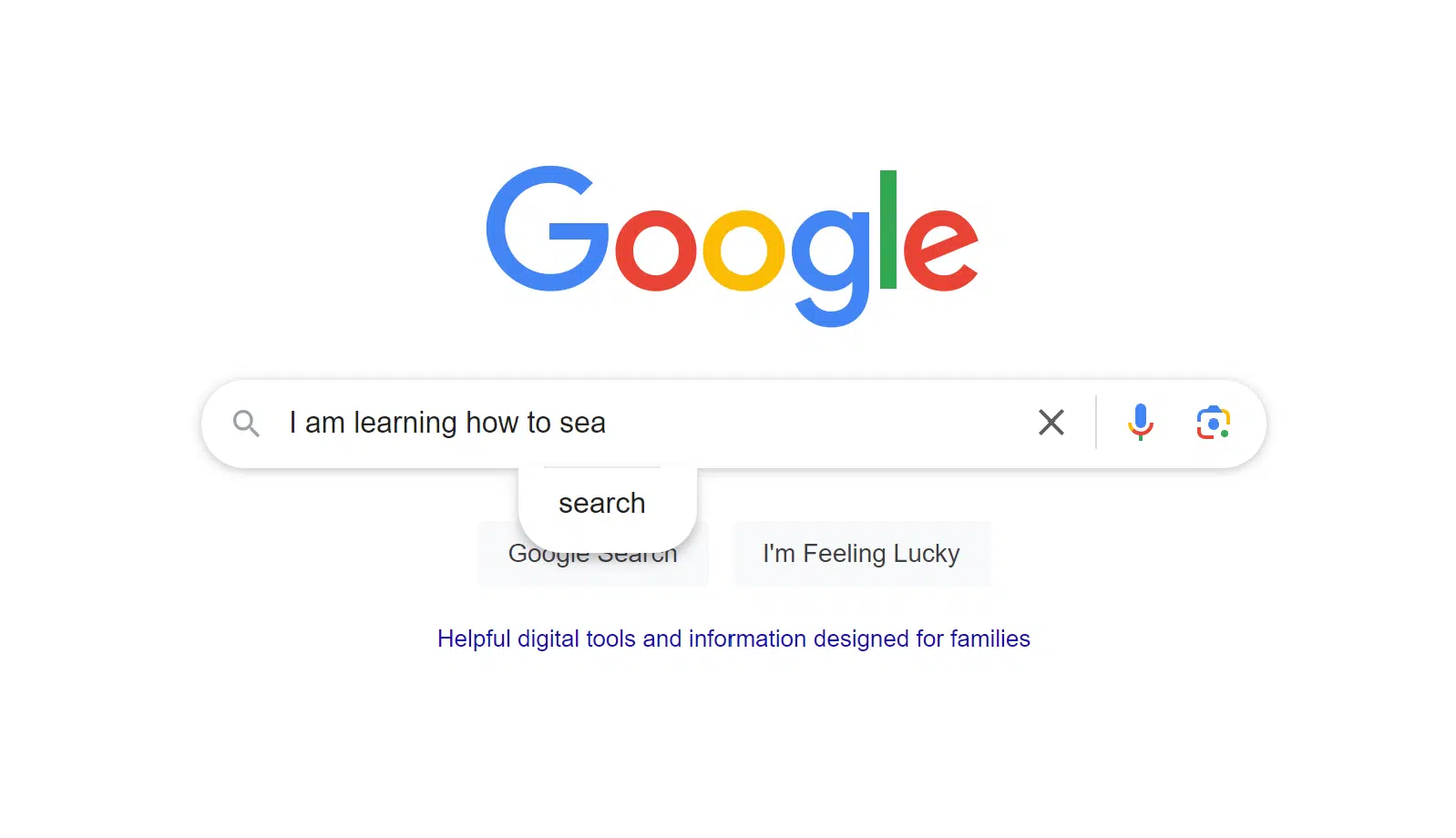
Google Search built the modern web economy. It sent readers to publishers, customers to businesses, and answers to billions of daily questions. Now that system is wobbling. AI-powered search, answer engines, and changing user behavior are reshaping the path from query to click, and the result is a real crisis for the company that defined online discovery. For publishers, marketers, and anyone who depends on organic traffic, this is not a distant threat. It is already rewriting the rules of visibility, monetization, and relevance. The uncomfortable question is no longer whether search is changing. It is whether Google can keep control of the gateway it built while teaching users to expect fewer blue links and more instant answers.
- Google’s search dominance is being challenged by AI-driven answers and shifting user habits.
- Publishers and businesses face growing pressure as fewer searches lead to fewer clicks.
- Google is trying to defend Search while also shipping AI features that may disrupt it further.
- The next phase of search will reward brands that adapt to intent, authority, and structured content.
Google Search is still huge, but the moat is narrowing
Google remains the default starting point for the internet, but default status is not the same as invincibility. The core product is under pressure from two directions at once. First, users increasingly expect direct answers rather than lists of links. Second, generative AI tools are teaching people to ask questions in conversational language and accept synthesized responses as good enough. That combination threatens the old search bargain: Google indexes the web, users click results, and publishers get traffic in return.
For years, Google Search was a precision machine for intent. Someone typed a question, Google mapped it to relevant pages, and the ecosystem monetized the attention that followed. Today, the machine is still powerful, but it is being asked to do something different. It must surface trustworthy results while also keeping users inside its own answer layer. That tension is the heart of Google’s search reckoning.
Google does not just need to answer queries better. It needs to prove that a web of links still matters when the fastest answer may arrive without a click.
Why AI search is such a serious threat
AI search tools are not merely prettier search boxes. They change the economics of discovery. Traditional search creates many potential exits: news stories, product pages, forums, and comparison sites. AI summaries compress that journey into a single response. That is convenient for users, but punishing for publishers and retailers that relied on search traffic to survive.
This shift matters because the web’s incentive structure was built on traffic. If answer engines reduce outbound clicks, then the entire ecosystem feels it: ad-supported media, affiliate publishers, local businesses, and niche experts who built authority through search visibility. Even when AI systems cite sources, the referral volume can be far lower than a classic results page.
Google understands this risk better than anyone. That is why it keeps experimenting with AI-generated summaries, answer panels, and new ways to make search feel more immediate. But every time Google expands the answer layer, it also raises the risk that users stop scrolling. The company is trying to defend the query box without cannibalizing the click economy that made the web useful in the first place.
The zero-click problem is no longer theoretical
Search has been drifting toward zero-click behavior for years. Weather, sports scores, definitions, and quick facts are often resolved directly on the results page. AI simply accelerates the pattern and expands it into more complex questions. Instead of searching for three sources and comparing them manually, many users now accept a concise generated explanation and move on.
That is a profound shift in user behavior. It rewards platforms that can summarize well and punishes sites that rely on being the middleman. It also changes the value of ranking well. A top position is no longer guaranteed traffic if the answer is already on the page.
Google’s response is both defensive and disruptive
Google cannot ignore the AI wave, but every response carries risk. If it leans too hard into AI summaries, it may accelerate the decline of clicks. If it moves too slowly, users may defect to competitors that feel smarter and more conversational. So Google is doing what big platform companies usually do when cornered: it is trying to own the transition.
That means bringing generative features into Search while preserving the familiar interface that users trust. It also means investing heavily in ranking quality, spam detection, and product design that keeps answers useful without making the web feel invisible. The company still has massive advantages: scale, distribution, data, and habit. But those advantages only matter if users believe Google remains the best place to start.
What Google has to protect
- Trust: If AI answers feel unreliable, users will look elsewhere.
- Clicks: Publishers and businesses need referral traffic to stay healthy.
- Advertiser value: Search ads still fund a huge part of Google’s business.
- User habit: Familiarity is a moat, but only if the product keeps improving.
What this means for publishers and brands
For publishers, the implications are brutal and immediate. SEO used to be about earning attention at scale. Now it is increasingly about surviving a platform layer that may summarize your work without delivering the same payoff. That does not mean search is dead. It means the old playbook is obsolete.
Brands that still depend on Google traffic need to diversify aggressively. That includes direct audience channels such as newsletters, apps, communities, and social distribution. It also means rethinking content strategy. Thin listicles and generic explainers are vulnerable. Deep reporting, original data, practical expertise, and first-party experience are far more defensible because they are harder to replicate in a quick AI summary.
The winners in the next search era will not be the loudest publishers. They will be the most credible and the most structurally hard to summarize.
How to adapt your content strategy
- Focus on
original reportingand unique expertise instead of commodity rewrites. - Build topic clusters that demonstrate authority across a subject, not just one keyword.
- Use structured formatting so both readers and machines can parse your content quickly.
- Invest in brand search so users look for you by name, not just by query.
- Grow channels you control, including email and direct relationships.
Why Google Search still matters more than the hype suggests
It is easy to overstate the death of search. People still need to compare products, troubleshoot problems, find local services, verify claims, and navigate the web. For all the excitement around chatbots, search remains one of the highest-intent behaviors online. That means Google still sits on one of the most valuable pieces of internet infrastructure ever built.
But the value of that infrastructure depends on legitimacy. Users tolerate ads, clutter, and friction only if the result is useful. If AI makes search feel more direct, more accurate, and less spammy, Google could strengthen its position. If it makes results feel shallow or self-contained, it risks weakening the broader ecosystem that gives Search its depth.
This is the paradox at the center of Google’s moment: the company needs AI to stay competitive, but too much AI inside Search could make the web feel less open and less valuable. That is a strategic problem, not just a product one.
The future of search will reward depth, not just ranking tricks
Search optimization is moving away from mechanical tactics and toward durable proof of value. That means brands should think less about gaming the algorithm and more about becoming the best answer in a category. In practice, that involves expertise, speed, freshness, and a content architecture that clearly communicates authority.
Google’s own behavior suggests where this is headed. The company wants content that can be trusted, summarized, and verified. It wants sources that demonstrate experience and not just keyword coverage. It wants a web that can support AI without collapsing into sameness.
That is good news for serious publishers and bad news for content farms. It also means the future of search may look less like a list of links and more like a layered interface that mixes summaries, citations, shopping, local results, and real-time context. The brands that thrive will be the ones that understand that discovery is becoming multi-surface, not single-page.
Pro tips for staying visible
- Write for intent, not just keywords: answer the underlying problem fast.
- Lead with strong summaries so your page can be used and understood quickly.
- Keep pages updated with fresh facts, examples, and context.
- Use schema-friendly structure where possible so machines can interpret meaning.
- Publish distinctive analysis that AI cannot easily flatten into a generic paragraph.
The bigger business story is control
At its core, this is a battle over who controls the interface to knowledge. Google built that interface by indexing the open web and monetizing attention around it. AI companies now want to become the interface themselves, using models that answer instead of route. If they succeed, the economics of discovery shift away from the link economy and toward the model economy.
That is why Google is moving carefully. It cannot afford to let an outside company redefine how people search. But it also cannot pretend the old model is untouched. The next few years will determine whether Search becomes a richer gateway or a more closed answer layer with fewer winners.
For users, the best outcome is obvious: faster answers, better accuracy, and less spam. For publishers, the best outcome is harder to secure: fair attribution, referral traffic, and a web that still rewards depth. For Google, the challenge is existential. It must modernize search without destroying the ecosystem that made it indispensable.
Bottom line
Google Search is not collapsing, but it is entering the most important transition in its history. AI is changing what users expect, how content is surfaced, and which businesses benefit from discovery. The company still has enormous leverage, but leverage is not the same as certainty. If Google gets this wrong, it risks hollowing out the web economy that fueled its rise. If it gets it right, search could become more useful than ever. Either way, the next version of search will not look like the last one, and everyone who depends on the open web needs to prepare now.
The information provided in this article is for general informational purposes only. While we strive for accuracy, we make no guarantees about the completeness or reliability of the content. Always verify important information through official or multiple sources before making decisions.