India Education Protests Test a System
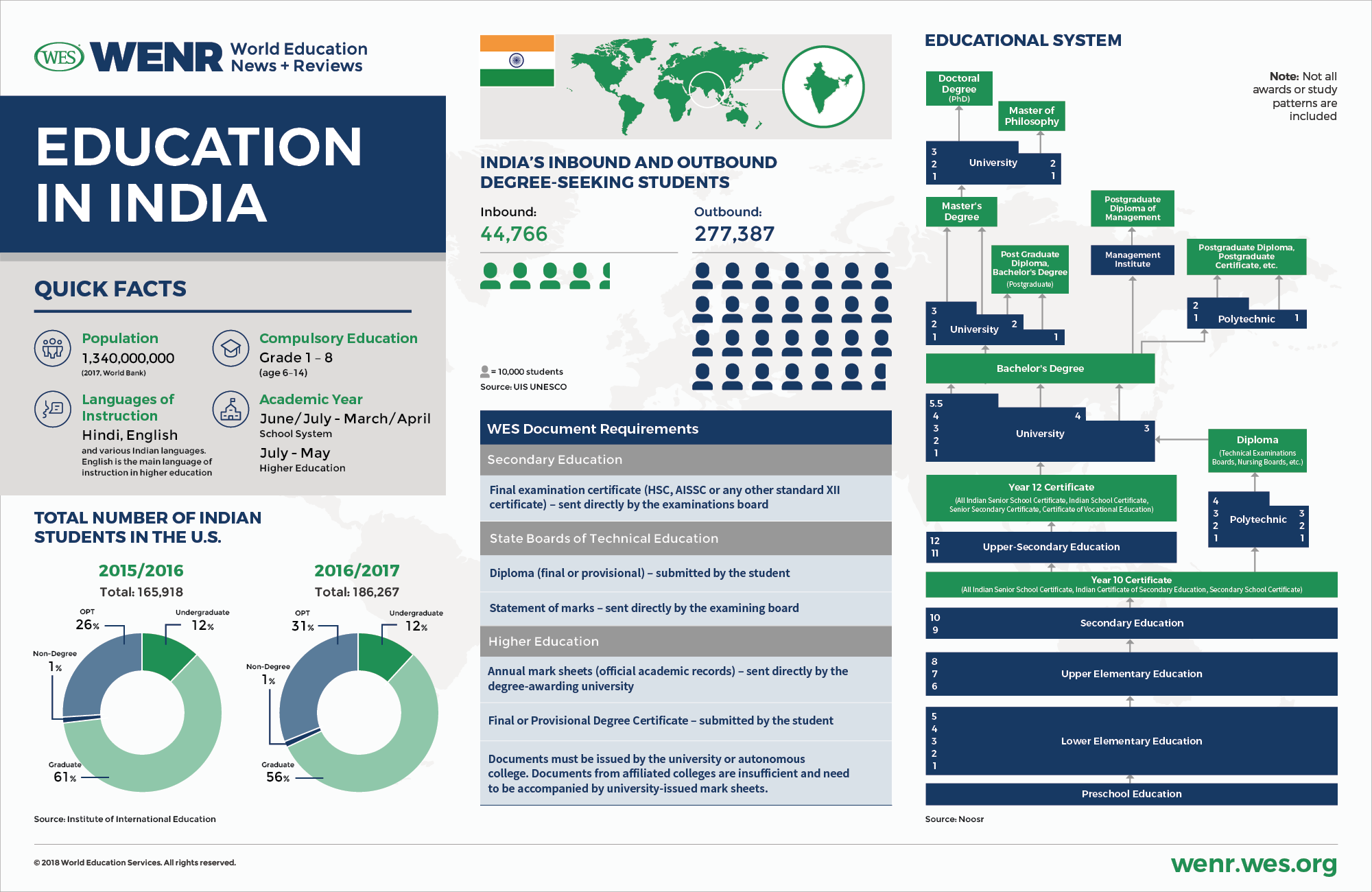
India’s education system is under pressure
India’s education system is once again being forced into the spotlight, and not for the reasons policymakers want. When protests over schooling, access, and reform escalate to the point where water cannons enter the picture, the message is bigger than any single campus or ministry decision. It signals a system stretched between public expectations, institutional limits, and a generation that wants more than symbolic promises. For students, parents, and educators, the pain point is familiar: too many gaps, too little trust, and too many decisions made far from the classroom. The stakes are not just administrative. Education in India shapes jobs, mobility, and social stability, which means every disruption carries consequences far beyond campus gates.
- India’s education system faces pressure from both policy failures and public frustration.
- Protests are exposing deeper questions about access, quality, and accountability.
- Reform will require more than funding: it needs execution, transparency, and trust.
- The outcome will affect students, employers, and the broader economy.
Why the protests matter now
The immediate trigger may be a protest, but the real story is structural. Education systems do not unravel overnight. They crack under repeated stress: uneven access, rising costs, outdated curricula, uneven teacher support, and the growing mismatch between what institutions teach and what the economy demands. When public anger spills into the streets, it usually means the usual channels of complaint have failed. That is what makes the current moment so significant. The optics of force can dominate the headlines, but the deeper question is why people believe protest is the only way to be heard.
That is the real test of India’s education system: not whether it can survive a protest, but whether it can absorb criticism and change without waiting for crisis conditions.
India education system reforms need more than slogans
Every government says it wants a stronger, more inclusive education model. The problem is that reform often gets trapped between ambition and implementation. On paper, the priorities are easy to list: better schools, better colleges, better digital access, and better job alignment. In practice, each of those goals runs into a different bottleneck. Infrastructure projects stall. Hiring slows. Funding gets unevenly distributed. Oversight is inconsistent. And students are left with the familiar gap between policy language and lived reality.
This is where the phrase India education system stops being abstract and becomes a measurement of daily life. Can a student get reliable instruction? Can families afford quality schooling? Can graduates move into work without needing another layer of expensive retraining? Those are not side questions. They are the core metrics.
Access is not the same as quality
One of the most persistent myths in education policy is that enrollment growth automatically means progress. It does not. Access opens the door, but quality determines whether the room is useful. A system can bring more students in and still fail them through poor teaching, weak facilities, overcrowded classrooms, or curricula that lag behind the market. That disconnect matters more now because India’s young population is one of its biggest economic assets. If the education pipeline underperforms, the labor force inherits the problem.
Public anger usually rises when a system expands faster than it improves. The headline number looks better, but the experience on the ground gets worse.
Students are reacting to a credibility crisis
Protests are rarely just about one issue. They are often about accumulated frustration. Students and families tend to notice when promises repeat but outcomes do not. They notice when policy changes are announced loudly and then implemented unevenly. They notice when some regions get resources while others wait. Over time, that creates a credibility crisis. Once trust erodes, every new initiative is met with skepticism.
That skepticism is rational. Education is a long-term investment, and people do not want long-term uncertainty. If the system cannot show visible improvements, especially in teaching quality, assessment, and access to opportunity, unrest becomes more likely.
What the government must get right
The fix is not one dramatic announcement. It is a sequence of unglamorous decisions that actually reach classrooms. The first is governance. Education reform fails when responsibility is spread so thin that nobody owns outcomes. Clear accountability is essential. So is transparent data: on teacher vacancies, attendance, infrastructure, learning outcomes, and funding flow. Without those basics, reform becomes theater.
The second is targeted investment. Blanket promises are politically useful but operationally weak. Different regions face different problems. Urban centers may need capacity relief and quality upgrades, while rural and underserved areas may need transport, staffing, basic facilities, and digital access. A serious plan recognizes that one-size-fits-all policy usually fits nobody well.
- Improve teacher training with continuous support, not one-off workshops.
- Track learning outcomes instead of relying only on enrollment numbers.
- Fix infrastructure gaps so classrooms, labs, and digital tools are usable.
- Publish accountability data so families can see whether reforms are working.
- Align curricula with employment needs without turning education into narrow training.
Digitization is useful, but only if it is real
Digital education often enters the conversation as a shortcut to modernization. But technology cannot mask structural failure. A school with no reliable power, weak internet, and undertrained staff does not become future-ready because a policy memo says so. Digital tools work when they are embedded in a broader support system. They can expand access, improve resource sharing, and help teachers reach more students. They cannot replace core investment.
Used properly, technology can strengthen the India education system by improving content delivery, monitoring, and access to learning resources. Used badly, it becomes another layer of inequality, benefiting students who already have connectivity and leaving others further behind.
Why this matters for business and the economy
Education is not just a social issue. It is an economic one. Employers are already dealing with skills mismatches, productivity constraints, and the pressure to compete globally. If the education system produces graduates who need extensive remedial training, the cost gets pushed into the private sector. That slows hiring, raises training budgets, and reduces confidence in the talent pipeline.
This is why unrest in the education sector matters to business leaders even if they never step onto a campus. A volatile education environment can affect workforce readiness for years. It can also influence where companies choose to invest, especially in sectors that depend on consistent skill development like technology, manufacturing, healthcare, and services.
When education policy fails, the consequences do not stay inside classrooms. They show up later as weaker productivity, lower mobility, and a less competitive economy.
The likely next phase
The immediate political response will probably focus on de-escalation, messaging, and short-term concessions. That may calm tensions temporarily, but it will not solve the root problem. The real test is whether authorities move from crowd management to reform management. If they do, the system can regain credibility. If they do not, protests will likely recur, each one arriving with less patience and more public cynicism.
There is also a broader lesson here for policymakers everywhere: education systems fail quietly for years before they fail loudly. By the time water cannons appear, the underlying warning signs have already been visible in classrooms, exam rooms, and budget spreadsheets. The question now is whether India treats this as a moment for repair or just another crisis to contain.
Education reform succeeds when it becomes boring in the best possible way: predictable funding, clear accountability, and steady improvement that students can actually feel.
The bottom line
The protests are not only a challenge to authority. They are a stress test for the entire model of public education. If India wants a system that supports growth, social mobility, and long-term competitiveness, it has to do more than defend the status quo. It has to rebuild trust, invest with precision, and measure success by outcomes that matter to real people. The pressure on India’s education system is a warning, but it is also an opportunity. Whether leaders treat it that way will determine what comes next.
The information provided in this article is for general informational purposes only. While we strive for accuracy, we make no guarantees about the completeness or reliability of the content. Always verify important information through official or multiple sources before making decisions.