Medical Cannabis Could Calm Dementia Agitation
Agitation in dementia is one of the hardest problems in elder care because it sits at the intersection of suffering, safety, and exhausted caregivers. When a person with dementia becomes distressed, restless, or aggressive, the usual toolkit can feel blunt: sedatives can cloud cognition, antipsychotics can raise risk, and non-drug interventions often take time families do not have. That is why medical cannabis for dementia agitation is getting so much attention. The latest study does not magically solve the problem, but it does sharpen the debate around whether cannabinoids could offer a better balance of calm without the heavy trade-offs that haunt current options. The stakes are high, because this is not just about comfort. It is about reducing injuries, preserving dignity, and finding treatments that actually fit the messy reality of dementia care.
- The study adds momentum to the case for medical cannabis for dementia agitation.
- Families and clinicians are searching for options that calm distress without deep sedation.
- Safety, dosing, and long-term effects remain the biggest unanswered questions.
- The bigger issue is whether cannabinoids can complement, not replace, current care strategies.
Why this study matters now
Dementia care has long been trapped between two unsatisfying choices: tolerate disruptive symptoms or use medications that can introduce serious side effects. That is why any credible signal around medical cannabis for dementia agitation gets immediate scrutiny. The promise is not that cannabis will reverse cognitive decline. It is that certain cannabinoid formulations may reduce the behavioral storms that make home care and residential care so difficult.
For caregivers, agitation is not an abstract symptom. It is the sleepless night, the repeated pacing, the sudden anger, the fear that someone will fall, wander, or lash out. For clinicians, it is a treatment challenge because the underlying causes can be multiple: pain, infection, overstimulation, fear, medication interactions, or the progression of disease itself. Any intervention that works has to be judged not just by whether it sedates a patient, but by whether it improves quality of life without introducing new risks.
What the evidence is really suggesting
The study at the center of the conversation does not make cannabis a settled answer. What it does is add to a growing body of research suggesting that cannabinoids may help reduce agitation in some people with dementia. That is meaningful, but it is not the same as saying the treatment should be routine.
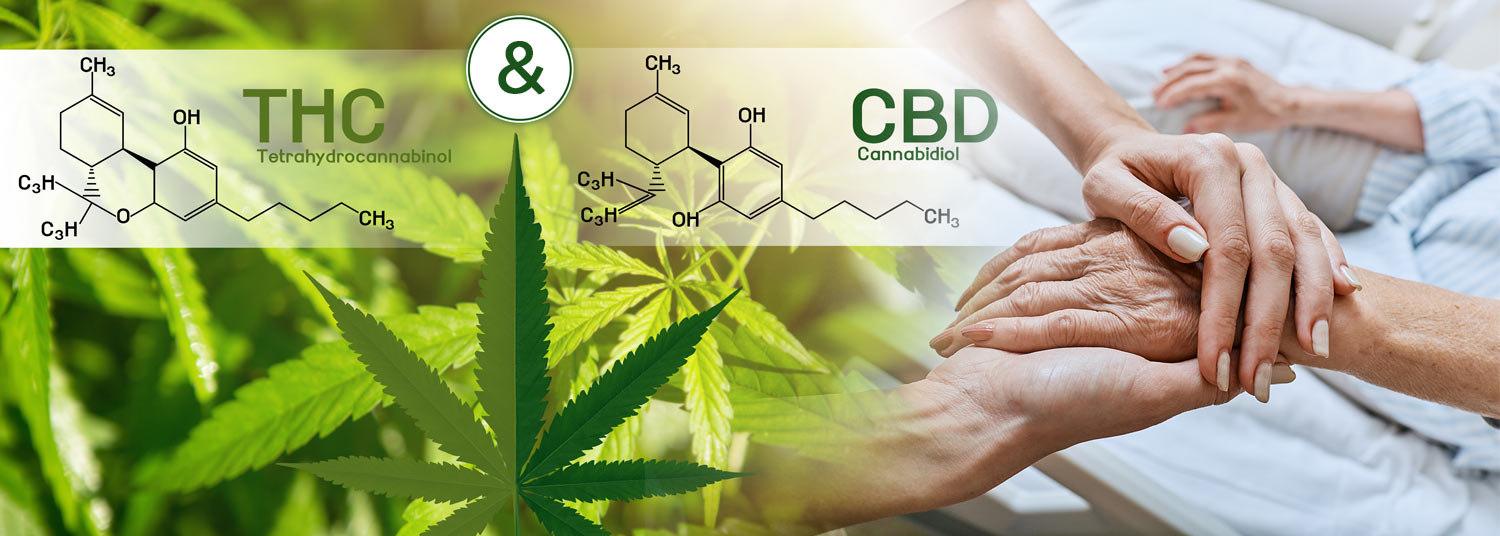
Researchers and geriatric specialists tend to ask the same questions whenever medical cannabis for dementia agitation comes up: Which formulation was used? Was it THC-dominant, CBD-dominant, or a balanced product? How severe was the agitation? Were participants also taking other psychoactive drugs? And most importantly, did the benefit outweigh the side effects?
What matters most is not whether a treatment sounds novel, but whether it helps real patients stay calmer, safer, and more functional with fewer harms than the alternatives.
That last part is key. In elder care, a treatment can look promising on paper and still fail in practice if it causes dizziness, confusion, falls, or interactions with other medications. The evidence around cannabis in dementia is intriguing precisely because it may offer relief where other drugs fall short. But the bar for adoption is high, and it should be.
The case for medical cannabis for dementia agitation
The strongest argument in favor of this approach is practical. Current treatment options for agitation often come with baggage. Antipsychotics can carry warnings about stroke and mortality in older adults with dementia. Benzodiazepines can worsen confusion and raise fall risk. Even when these medications help, they can leave patients overly drowsy or emotionally flattened.
That creates room for a different kind of conversation around medical cannabis for dementia agitation. If a carefully controlled cannabinoid product can reduce distress without the same burden of sedation or long-term harm, it could become a valuable tool in a very limited toolbox.
- Potential upside: less distress, fewer behavioral escalations, and lower caregiver strain.
- Potential fit: patients who have not responded well to standard options.
- Potential value: more humane symptom management in home and facility settings.
There is also a broader systems argument. Dementia care is expensive, labor-intensive, and emotionally draining. If a treatment meaningfully reduces agitation, it could lower the need for emergency interventions, reduce caregiver burnout, and make it more feasible for families to keep loved ones at home longer.
Why skepticism still matters
This is where the hype should slow down. Cannabis is not one thing. It is a category that includes wildly different compounds, formulations, and delivery methods. A gummy is not a capsule, a capsule is not an oil, and a THC-heavy product is not the same as a CBD-forward one. That variability makes it hard to translate a positive signal into a reliable treatment protocol.
There is also the question of sensitivity. Older adults, especially those with dementia, can respond differently to cannabinoids than younger adults. They may be more vulnerable to confusion, balance problems, sleep disruption, and changes in blood pressure. In a population already at risk for falls and delirium, those side effects are not minor.
Then there is the regulatory and clinical reality. Many clinicians are cautious because cannabis research has historically lagged behind patient demand. That means dosing guidance is thin, product quality can vary depending on jurisdiction, and real-world use often outpaces medical consensus. With medical cannabis for dementia agitation, the risk is not only that the treatment may not work. It is that it may work inconsistently, making it hard to know when to trust it.
What caregivers should watch for
If this research translates into broader medical use, the most important question will not be whether cannabis is “natural.” It will be whether it is measurable, tolerable, and appropriate for a specific patient. Families should expect clinicians to evaluate agitation the same way they would any other symptom: by looking for triggers, tracking patterns, and reviewing the full medication list before adding anything new.
Practical signs that matter
- Does the person seem calmer without becoming overly sleepy?
- Are there fewer episodes of yelling, pacing, or aggression?
- Does balance worsen after dosing?
- Is appetite, sleep, or confusion changing in a way that raises concern?
Those questions matter because a treatment can appear successful in the short term while quietly making other problems worse. For example, reducing agitation is not a win if the person becomes more disoriented or falls more often. Any serious use of medical cannabis for dementia agitation should be paired with close monitoring and clear goals.
In dementia care, the right question is rarely “Did it sedate the patient?” The better question is “Did it improve life without trading one crisis for another?”
How clinicians may approach it
For now, the most responsible path is cautious experimentation under medical supervision, not open-ended enthusiasm. A clinician considering cannabinoids for dementia-related agitation would likely start with a narrow set of goals, such as fewer evening outbursts, less nighttime restlessness, or reduced caregiver distress. They would also want a baseline: what the behavior looked like before treatment, what else was tried, and what adverse effects appear after dosing.
That means the conversation should be structured, not vague. Good dementia care is never just about prescribing. It is about sequencing interventions and measuring whether they work.
Pro tip: When clinicians or caregivers evaluate a new treatment, they should define success in advance. For example: “fewer severe agitation episodes per week,” not “seems better.”
And because cannabinoids can interact with other medications, any meaningful use should include a full medication review. In older adults, polypharmacy is already a major hazard. Adding another psychoactive compound without a plan would be reckless.
The bigger future for dementia treatment
This study is important even if cannabis never becomes a first-line therapy. Why? Because it reflects a larger shift in medicine: a move toward symptom management that is more personalized and less automatically punitive. For years, behavioral symptoms in dementia were often treated with a narrow set of blunt tools. Research into cannabinoids, if it continues rigorously, could help broaden the field’s imagination.
It could also push researchers to ask better questions about what agitation actually is. Sometimes the behavior is a signal, not a disorder in itself. Pain, fear, overstimulation, and unmet needs can all look like agitation. If a cannabinoid product helps some patients, it may be because it reduces anxiety or improves tolerance to stress. That does not make it a cure, but it could make it a useful bridge.
The future probably will not be a simple yes-or-no verdict on cannabis. It will be more complicated: which patients, which formulations, what dose, what timing, and what safeguards. That is not a bug. It is how real medicine advances.
What this means for families and the care system
Families are often the first to feel the strain of dementia agitation and the first to wonder whether the next treatment might finally help. This study will likely intensify that hope. But hope should be paired with discipline. The best outcome is not a headline-friendly miracle. It is a treatment option that can be used carefully, selectively, and transparently when standard approaches are failing.
For health systems, the implications are equally significant. If evidence for medical cannabis for dementia agitation strengthens, hospitals, memory clinics, and long-term care facilities may need clearer policies, staff training, and monitoring protocols. That could include dose tracking, adverse event reporting, and clear criteria for when to stop treatment.
The larger lesson is that dementia care is overdue for innovation that respects both the biology of the disease and the reality of daily caregiving. Cannabinoids may or may not become part of that future. But this study makes one thing clear: the search for better options is far from over.
Bottom line: Medical cannabis is not a cure for dementia agitation, but it may be emerging as a serious contender in a field hungry for safer, more humane symptom relief.
The information provided in this article is for general informational purposes only. While we strive for accuracy, we make no guarantees about the completeness or reliability of the content. Always verify important information through official or multiple sources before making decisions.