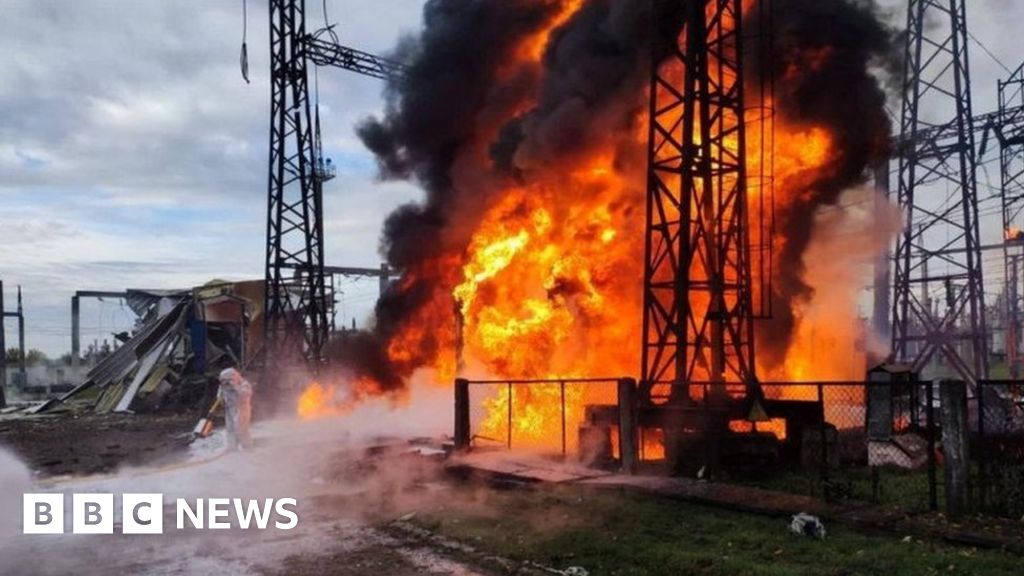
Russia Strikes Kyiv Again
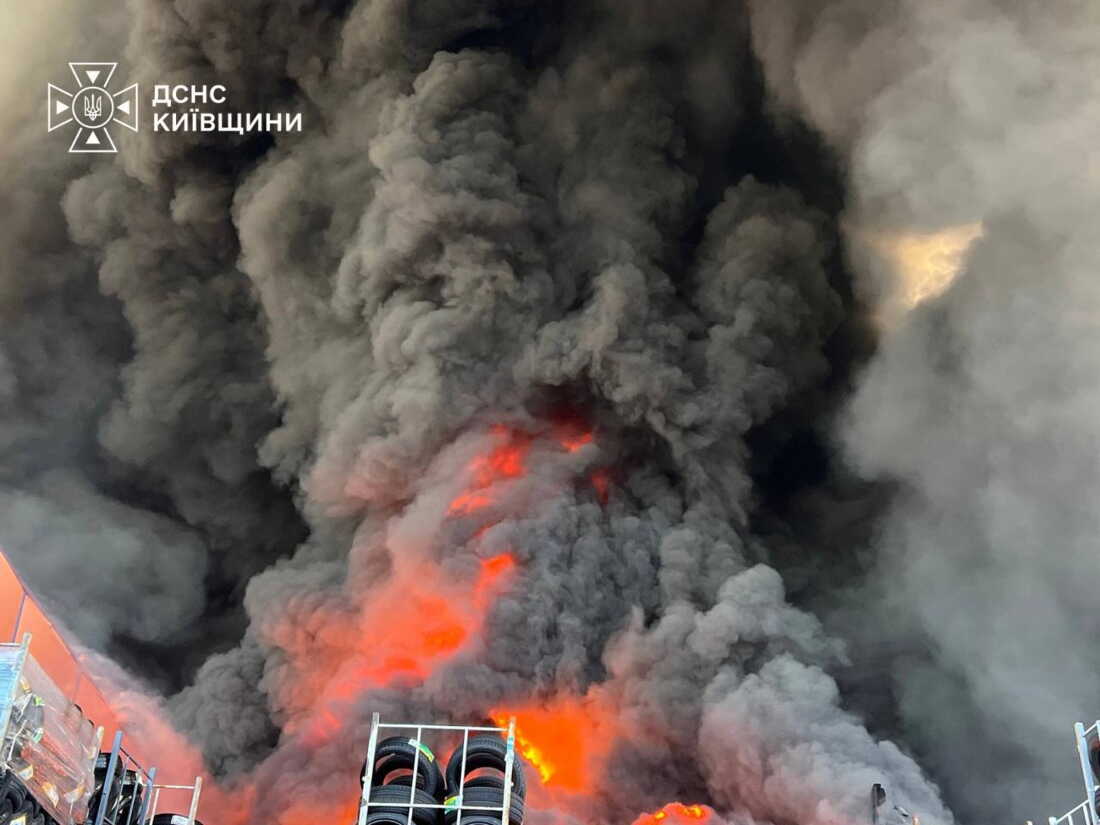
Russia strikes Kyiv again and the message is brutal
When Russia strikes Kyiv again, the headline is not just another grim update from a long war. It is a reminder that the capital remains a live target, even as the world’s attention drifts, aid cycles stall, and defense systems race to keep pace with a relentless attack pattern. For civilians, this means another night of sirens, shattered routines, and the constant calculation of whether the next blast will land near home, work, or school. For policymakers, it is proof that deterrence is still incomplete. And for military planners, it underscores a hard truth: air defense can blunt an assault, but it cannot end a war that is designed to keep testing the edge of exhaustion.
- Kyiv remains vulnerable despite ongoing air defenses and battlefield adaptation.
- Each strike is both a military act and a psychological pressure campaign.
- The war is increasingly shaped by drone saturation, missile defense, and supply chains.
- The deeper issue is not one attack, but the endurance test behind it.
Why this strike matters now
Kyiv is not just another city under fire. It is the political center of Ukraine, the symbolic center of resistance, and a benchmark for how the war is going. When the capital is struck, the impact is bigger than the physical damage. It affects confidence in the air-defense shield, signals Moscow’s willingness to escalate, and forces Ukraine to spend scarce interceptors on protecting the places that matter most. That tradeoff is the strategic trap embedded in nearly every modern strike campaign.
The latest attack also highlights a broader trend in the war: Russia is using a mix of missiles and drones to overwhelm defensive systems, probe gaps, and force decision-makers into impossible choices. This is not random violence. It is methodical pressure. The point is to make every night feel uncertain and every defense response feel expensive.
“The real objective of these strikes is not only destruction. It is to turn normal life into a liability and force the defender to spend faster than the attacker.”
The air defense problem is getting harder
Ukraine has built one of the most closely watched air-defense networks in the world, but even strong systems have limits. Defending a large city against mixed salvos is a resource-management problem as much as a technology problem. Interceptors are expensive, radar coverage can be stressed, and no shield is perfect when the attack comes in waves.
Drone saturation changes the math
Low-cost drones have transformed the economics of attack. A defending nation may need to launch a highly expensive missile to destroy a much cheaper airborne threat. That imbalance is one reason Russia’s long-range strikes remain strategically useful, even when they do not always hit their intended targets. They force defenders to spend, react, and stay on edge.
In practical terms, that means the battle is not only over the sky. It is over inventory, maintenance, and the speed of resupply. If the defender runs low on interceptors or must reserve them for only the highest-value targets, smaller threats get through. That is how pressure compounds.
Why Kyiv is especially exposed
Capital cities are hard to defend because they are dense, politically important, and full of targets that cannot easily be moved. Government buildings, transport nodes, energy systems, and residential neighborhoods sit close together. Protecting one layer often exposes another. When the attacker understands that layout, every strike becomes an exercise in forcing prioritization.
Pro tip: Watch not just whether an attack was intercepted, but what kind of weapons were used, how many were launched, and what infrastructure was targeted. That combination tells you more about the attacker’s strategy than the damage photos do.
Russia strikes Kyiv again as psychological warfare
There is a reason these attacks keep coming even when the battlefield map changes elsewhere. Strikes on the capital are designed to remind Ukrainians that no location is fully safe. That is a classic pressure tactic: make everyday life harder, shake public morale, and force leadership to spend energy on resilience instead of momentum.
The psychological effect matters because wars are not fought by abstract national units. They are endured by people trying to sleep, commute, work, and raise families under threat. A capital under fire sends a message inward and outward. It tells citizens to brace for more. It tells allies that their support is still necessary. And it tells the Kremlin’s domestic audience that the war remains active, visible, and supposedly winnable.
The danger in reading these strikes as “just another night” is that normalization becomes its own form of strategic victory.
What this means for Ukraine’s broader war effort
Every major strike forces Ukraine to do two things at once: defend the present and prepare for the next attack. That creates a constant balancing act between battlefield needs, civilian protection, and energy resilience. If air defenses around Kyiv absorb too much of the country’s best protection, front-line cities may become more exposed. If they are spread too thin, the capital remains vulnerable. There is no clean answer, only tradeoffs.
That is why support from partners matters so much. Air-defense systems, interceptor missiles, radar upgrades, electronic warfare tools, and logistics support are not side notes. They shape the tempo of the entire conflict. If Ukraine can shorten response times and improve interception rates, it reduces the effectiveness of Russia’s strike campaign. If it cannot, Moscow gains a low-cost way to keep pressure high.
The energy grid is always part of the target set
Even when a strike is aimed at military or symbolic targets, the ripple effects often hit the power grid, transportation, and emergency services. This is why resilience planning has become central to Ukraine’s defense strategy. Backup systems, repair crews, distributed infrastructure, and civilian preparedness now function as part of the war effort.
That reality also carries a warning for other countries watching from afar. Modern warfare increasingly targets systems, not just territory. A city can be attacked through its airspace, power supply, communications, and public confidence all at once. The lesson is uncomfortable but clear: resilience is now a national security capability, not a luxury.
The strategic guide for reading future attacks
If you are trying to understand what comes next, the key is to treat each strike as data, not just news. Patterns matter. Frequency matters. Target selection matters. The mix of drones and missiles matters. So does the timing, especially if attacks align with political moments, diplomatic milestones, or battlefield shifts.
- Track weapon mix: A heavier drone load usually signals saturation tactics.
- Watch target types: Civilian, energy, and government sites point to different goals.
- Look at interception claims: They hint at defensive strain, even when damage is limited.
- Monitor repair speed: Fast restoration can blunt the political effect of a strike.
- Follow aid announcements: New air-defense support can change the attack calculus quickly.
For readers, analysts, and policymakers, the question is not simply whether Kyiv was hit. It is whether the attack reveals a new phase in Russia’s campaign or just another cycle of attrition. That distinction matters because the war’s next phase may depend less on dramatic battlefield breakthroughs and more on sustained pressure against cities, infrastructure, and morale.
What happens next
The most likely future is not a single decisive strike, but repetition. That is what makes the pattern so dangerous. If Russia can keep launching attacks that force Ukraine to react, it can drain resources and keep the war politically expensive. If Ukraine and its partners can harden defenses, expand interceptor supply, and improve redundancy in critical systems, they can reduce the effectiveness of that strategy.
For now, the central truth remains unchanged: Kyiv is still in the crosshairs, and the war is still being fought on two fronts – the battlefield and the home front. The missiles may come in waves, but so does the larger contest over endurance, technology, and political will. That is why every strike matters, even when it begins to feel tragically familiar.
Bottom line: when Russia strikes Kyiv again, it is not only attacking a city. It is testing whether Ukraine, its partners, and the public can keep treating defense as a long game.
The information provided in this article is for general informational purposes only. While we strive for accuracy, we make no guarantees about the completeness or reliability of the content. Always verify important information through official or multiple sources before making decisions.